 Kyoto City Guide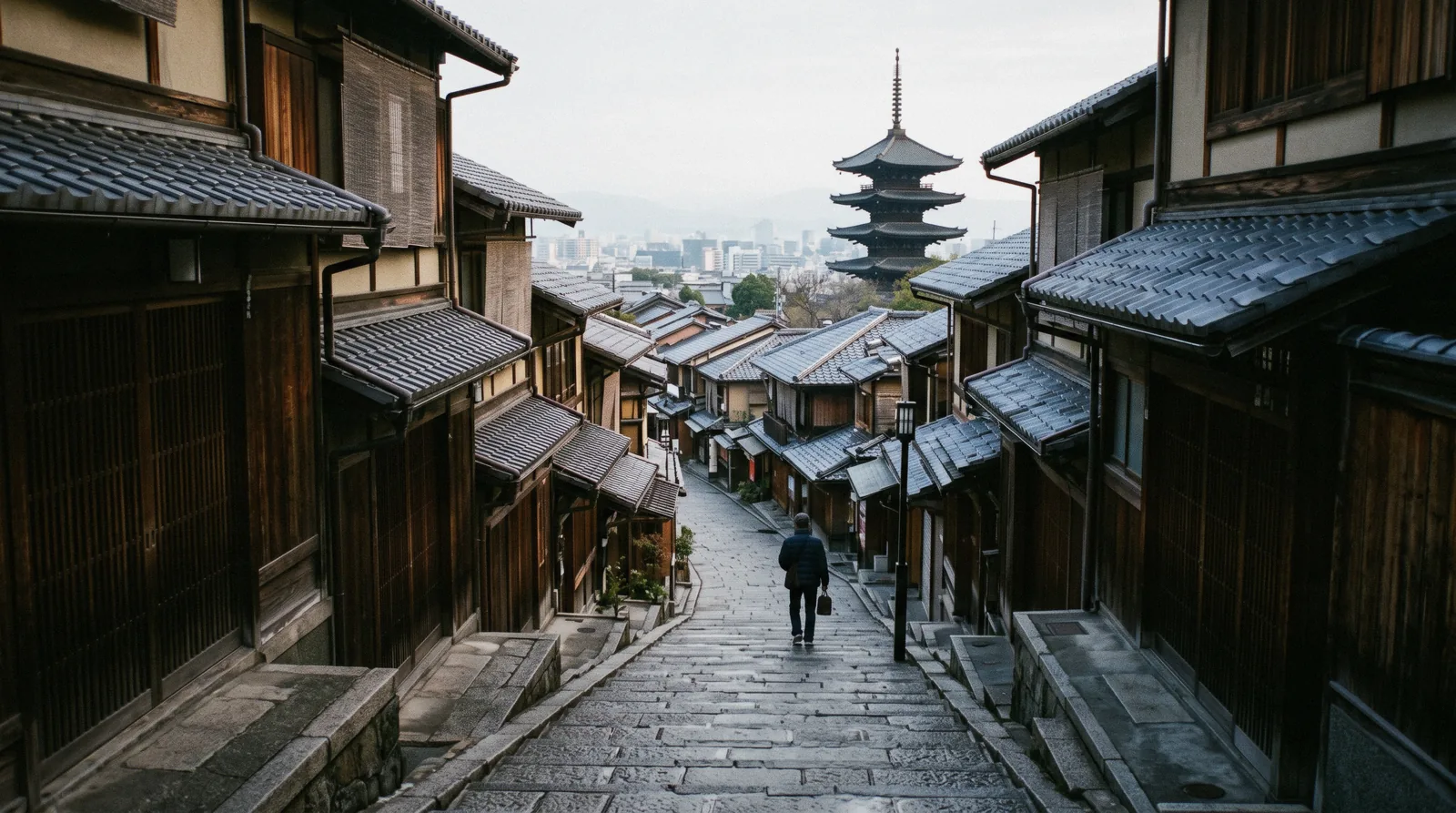
Kyoto Neighbourhoods
Kyoto neighborhoods are not interchangeable, and the difference between them is not atmosphere but time: the city's sights sit in three clusters up to an hour apart, and where you walk — and where you sleep — decides how much of each day disappears onto a bus. This page sets out the six districts a visitor actually uses, what each is for, and which of them suits your kind of trip. The sights themselves are on things to do and the city on the Kyoto city guide homepage.
Quick answer Six districts, what each does — in four lines
Higashiyama is the preserved hillside and the walking day; Gion is the geiko quarter and the evening; downtown around Nishiki and Kawaramachi is the eating and shopping city; the Kyoto Station area is transport and cheap rooms; Arashiyama is a village on the western edge; and the northern hills are where the city stops. Each is free to walk.
Key takeaways
- Sleeping in Higashiyama buys the empty morning hour, which is the one thing money cannot otherwise get you here
- Downtown is where you eat and the only district with a subway under it — Nishiki Market and the depachika halls are both here
- The station area is not scenic and is not meant to be: it is 15 minutes from everything and the cheapest beds in the city
- Arashiyama empties at dusk, which is either the whole point or a mistake depending on the traveller
The six districts, compared
Walking times between districts are our own, measured at an ordinary pace; transit times are the operators' timetables. Room bands are the middle half of what we see on booking sites for a midweek double outside the peak months, converted at ¥160 = $1.
| District | What it is for | To Kyoto Station | Rooms | Best hour |
|---|---|---|---|---|
| Higashiyama | The preserved lanes, the temple walk | 15 min by bus | $150–310 (¥24,000–50,000) | 06:00–08:30 |
| Gion | Geiko district, dinner, the evening | 15 min by bus or train | $125–310 (¥20,000–50,000) | Dusk |
| Downtown (Kawaramachi, Karasuma, Nishiki) | Eating, shopping, the subway | 5 min by subway | $100–220 (¥16,000–35,000) | Late morning and evening |
| Kyoto Station area | Transport, luggage, cheap beds | 0 | $65–155 (¥10,000–25,000) | Any |
| Arashiyama | Bamboo, the river, a village feel | 15 min by JR | $110–280 (¥18,000–45,000) | Before 08:00 |
| Northern hills (Kurama, Kibune, Ohara) | Getting out of the city entirely | 45–70 min | Ryokan only | Autumn, and any hot day |
The two columns that matter most are the third and the fifth. A district twenty minutes further out costs you forty minutes a day, every day; and the districts with the best hours are the ones where being on the spot at 07:00 changes what you see.
The eastern side: Higashiyama and Gion
One hillside, two districts, and the most concentrated walking in the city.
Higashiyama is the strip between Kiyomizu-dera and Yasaka Shrine: stone-stepped lanes, wooden shopfronts and a national preservation designation that keeps it coherent. It is free, it is walkable end to end in 35 minutes, and it is a different place at 07:00 and at 11:00. The paid stops along it — Kodai-ji, and Kiyomizu-dera at the top — are the ones worth adding.
Gion, at the bottom of the hill, is a working geiko district rather than an attraction: private lanes posted closed by the residents' council, one public lantern-lit street, and a canal lane at Shirakawa that is prettier than either. It comes alive at dusk and it is where the eastern day should end.
Between them sit Nene-no-Michi, Ishibei-koji and Maruyama Park, all free, all quiet, all skipped by the people queueing two streets away.
The centre: downtown and the station
Two districts that do the unglamorous work, and both are better than their reputation.
Downtown — the grid between Karasuma and the Kamo river, taking in Shijo, Kawaramachi, Pontocho and Nishiki Market — is where Kyoto eats. The depachika food halls under the Shijo department stores, the covered arcades, the standing counters off Kiyamachi, and the two subway lines that make it the only part of the city you can cross without touching a bus. If your trip is as much about food as temples, sleep here.
The Kyoto Station area is a transport machine with rooms attached: the shinkansen, every bus route, coin lockers, luggage forwarding and the cheapest beds in the city, plus To-ji fifteen minutes' walk away and Sanjusangen-do ten minutes by bus. Nobody comes to Kyoto for this district, and on an early-flight morning or a bag-heavy arrival it is exactly the right choice.
The edges: Arashiyama and the northern hills
Where the city stops being a city, in two directions.
Arashiyama sits on the western edge where the Hozu river comes out of its gorge. It is a village with a bamboo path, a World Heritage garden at Tenryu-ji, a hillside of macaques and a two-hour river boat, and it empties completely after the last trains take the day trippers home. Staying there means having the bamboo to yourself at seven and eating dinner in a place with four restaurants open.
The northern hills — Kurama and Kibune, Ohara, Takao — are 45 to 70 minutes out and are where residents go when the city is unbearable. Kurama has a mountain temple with a ¥200 cable-car donation rather than a fare and a hot spring at the bottom; Kibune has restaurants built over a stream that serve on platforms above the water in summer. Neither is covered by any city transport pass, and the autumn colour arrives up there a week or two before it reaches the city.
Walking the districts with a guide
The district walks worth paying for are the ones where the rules or the history are not visible from the street. Prices are the platform's listings in USD, read on 30 August 2026.
 from $18.74
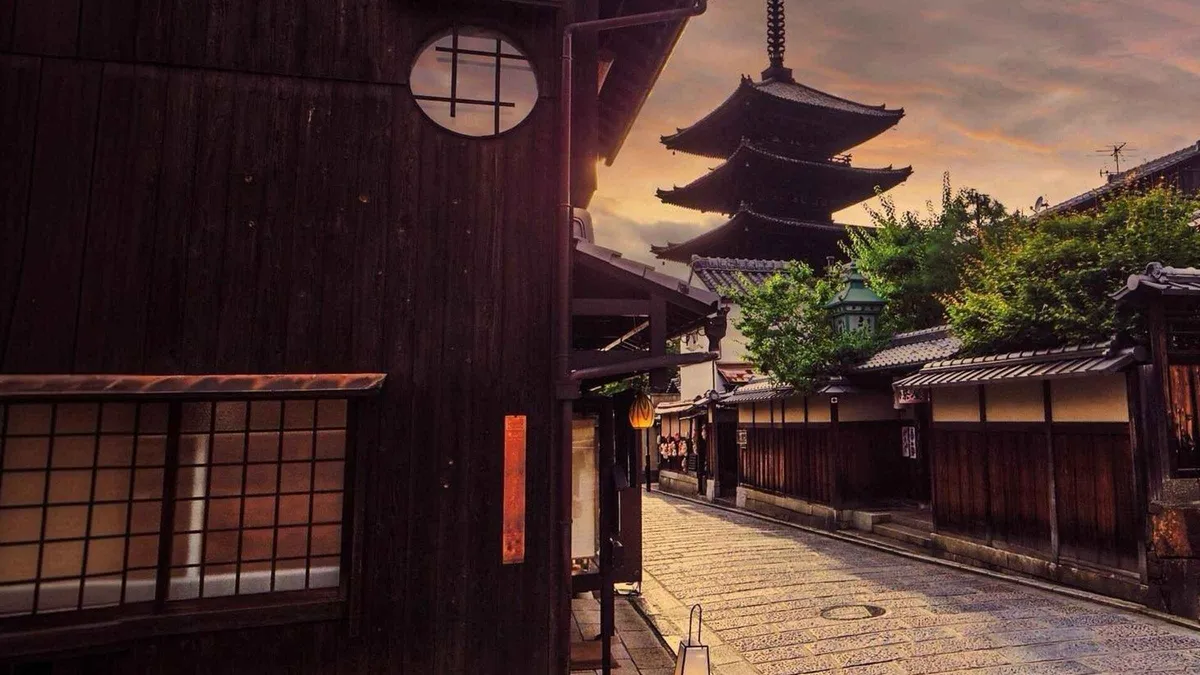
Kyoto: Gion Geisha District & Hidden Gems Walking Tour
Listing details checked 2026-08-30
Gion's most reviewed walk, and it starts at Shirakawa rather than the crowded lane. Two hours through Hanamikoji, Yasui Kompira-gu, Hokan-ji and Nene-no-Michi with a guide who explains what the ochaya actually are.
- Immerse yourself in the enchanting atmosphere of Gion
- Stroll the real Gion streets that inspired the world's most famous geisha story
- See elegantly dressed Geisha as they make their way to appointments
- Discover hidden gems along the way at off the beaten path spots
 from $23.49
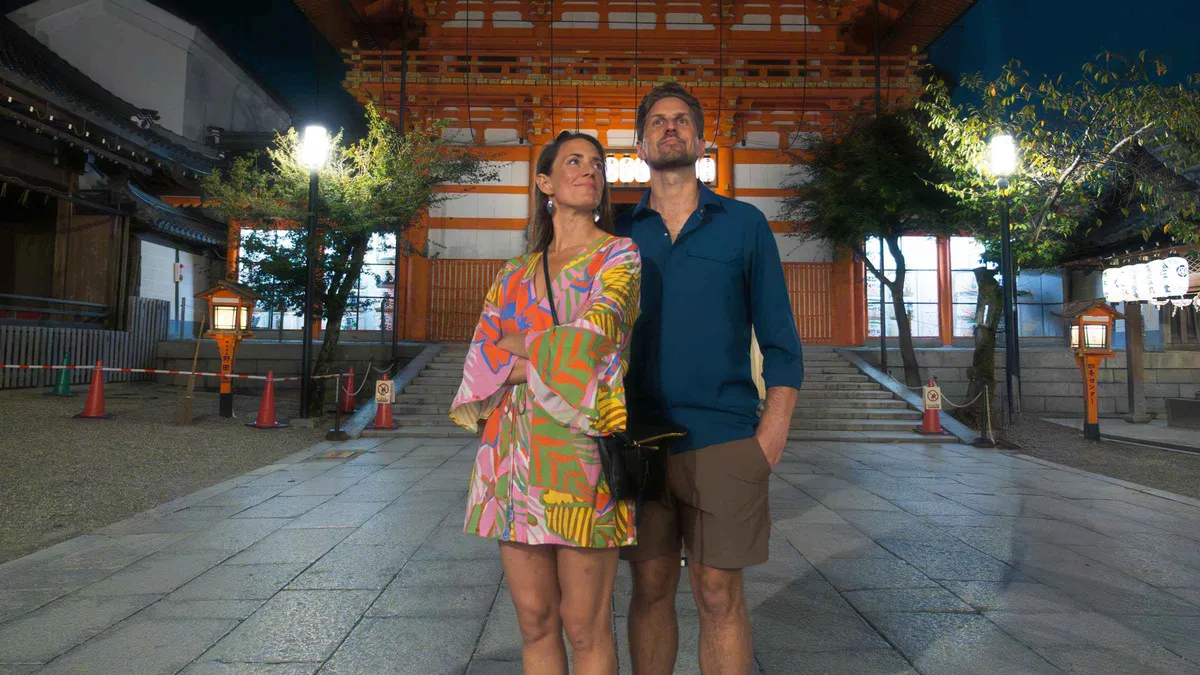
Kyoto: Gion Geisha District Night Walking Tour
Listing details checked 2026-08-30
Gion and Higashiyama after dark with a bilingual guide, ending with a digital list of the guide's own recommendations. Two hours, and it covers more ground than the Gion-only walks.
- Explore Kyoto’s historic Gion district at night
- Small-group experience limited to 8 guests
- Learn authentic insights into geiko and maiko culture
- Receive a digital Kyoto guide with local recommendations
 from $49.97
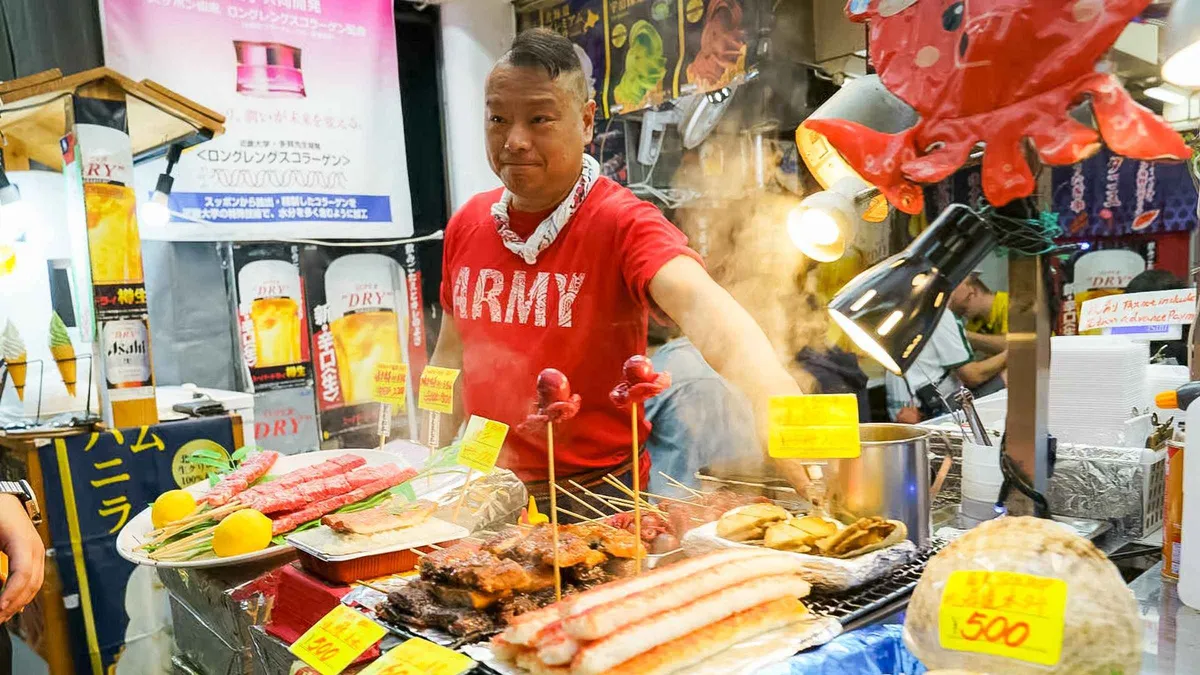
Kyoto: Nishiki Market Food Tour - 7 Tastings
Listing details checked 2026-08-30
Seven tastings through Nishiki and on into Gion, with the market's history and its role in Kyoto cooking explained. Three hours at the lowest price of the three.
- Satisfy your taste buds with a variety of local delicacies at Nishiki Market
- Learn about the market's history and its influence on Kyoto's cuisine
- Explore the bustling stalls and narrow alleys of Gion
- Discover unique ingredients essential to Kyoto-style cooking
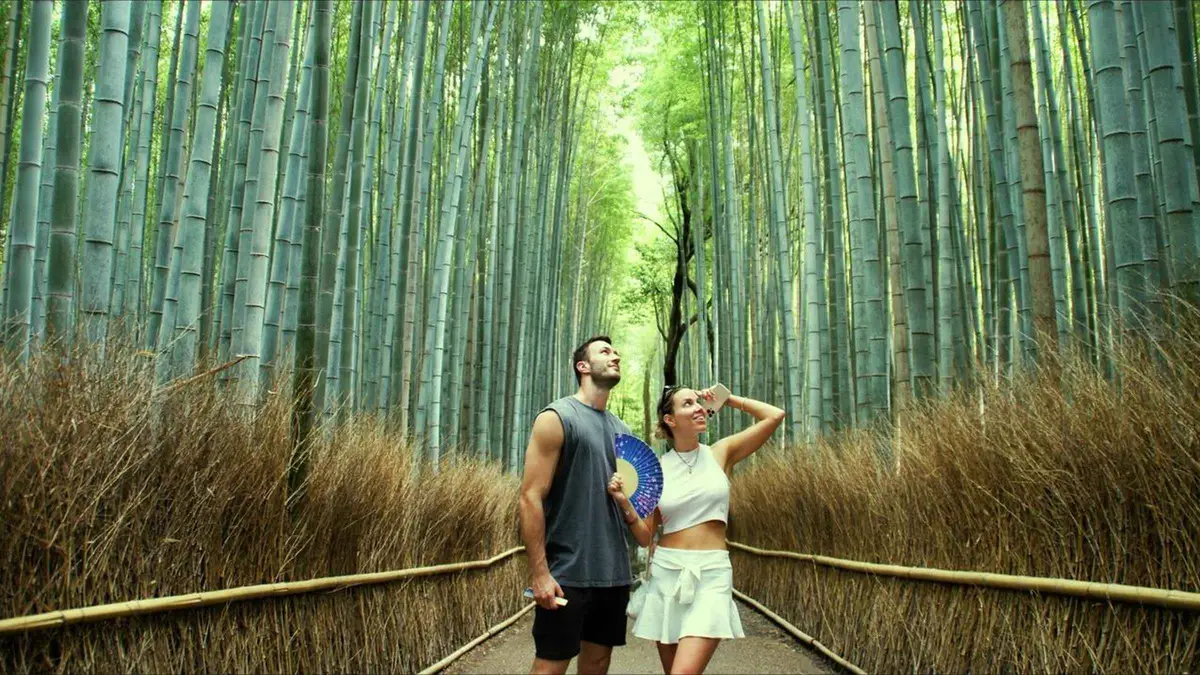 from $39.35
Kyoto: Arashiyama Bamboo, Matcha, Monkeys & Temple Tour
Listing details checked 2026-08-30
The four-hour Arashiyama circuit: bamboo, a temple, a matcha tasting and the monkeys. Shorter and cheaper than the full-day versions, and it still starts early enough to matter.
- Visit the UNESCO-listed Tenryu-ji Temple
- Walk through the famous Arashiyama Bamboo Grove
- Explore the local shops and find one of a kind souvenirs to take back home
- Enjoy a fresh matcha drink
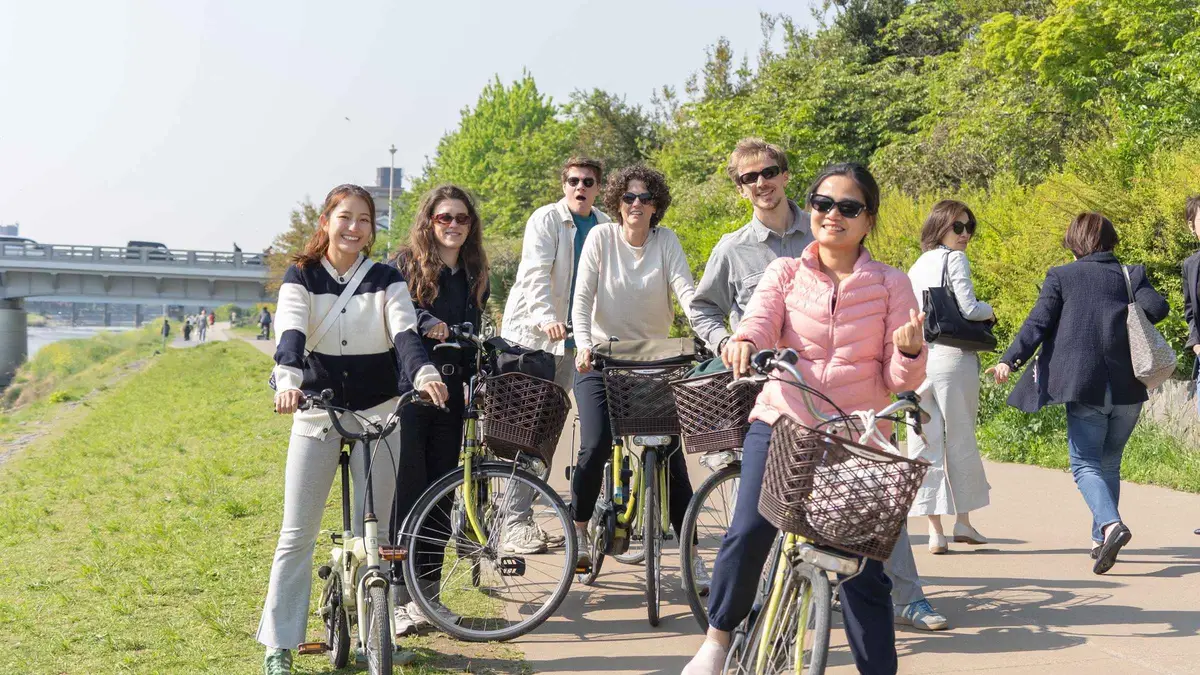 from $75
Kyoto: Hidden Gems E-Bike Tour with Local Japanese Guide
Listing details checked 2026-08-30
Three and a half hours by e-bike through back streets, canals and temples most visitors never reach, with entry tickets and a local Japanese guide. Kyoto is flat where it matters.
- Make a Japanese friend as you cycle and explore Kyoto City
- Avoid traffic and explore hidden gems with a local tour guide
- Explore the beautiful views of Kyoto, chill, and enjoy!
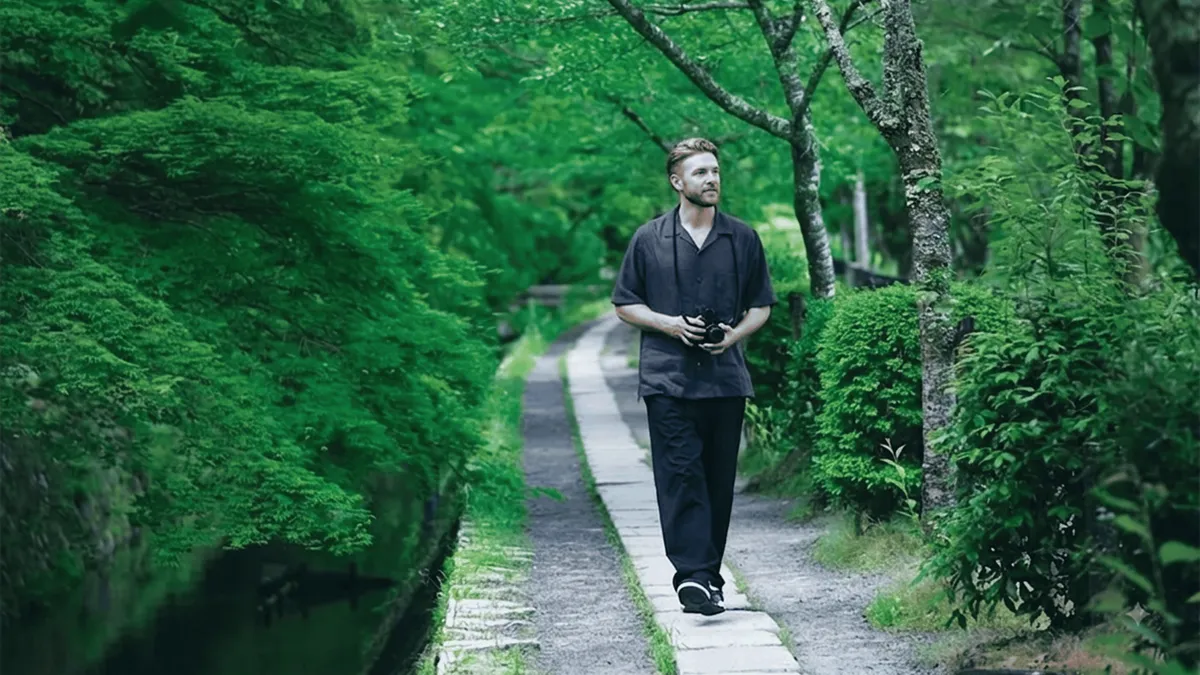 from $55.80
Kyoto Philosopher’s Path: Where Zen Meets Modern Thought
Listing details checked 2026-08-30
Two hours along the Philosopher's Path following Nishida Kitaro's route, with the Kyoto School of philosophy explained where it was actually thought out. A walk about ideas rather than buildings.
- Walk Kyoto’s Philosopher’s Path beyond seasonal scenery
- Discover Nishida Kitaro and Kyoto School philosophy
- Explore Zen ideas through nature and flowing water
- Experience Kyoto through slow, meaningful walking
Kyoto's districts, mapped
The six districts and roughly where each one sits relative to the station.
Where to go next
Three pages that turn a district choice into a plan.
Where to stay in Kyoto
The same districts priced, with what a midweek double costs in each and who each one suits.
The roomHigashiyama
The stone lanes stop by stop, priced, with the three hours the quarter behaves differently.
The walking districtThings to do in Kyoto
Every major sight grouped by the district it sits in and numbered to a map.
The listKyoto neighbourhoods: the questions
What is the best area of Kyoto to stay in?
Downtown for food and the subway, Higashiyama for the empty morning hour, the station area for transport and price, Gion for the evening. The where-to-stay page compares the four with what a midweek double actually costs.
Which part of Kyoto is the old town?
Higashiyama, the hillside between Kiyomizu-dera and Yasaka Shrine, where Sannenzaka and Ninenzaka are protected as an Important Preservation District. Gion below it and the machiya streets downtown are the other survivals — Kyoto was not bombed, but it was rebuilt piecemeal, so the old city is patches rather than a quarter.
How far apart are Kyoto's districts?
Further than the map suggests. Higashiyama to Arashiyama is about fifty minutes by bus in the traffic of the hour everybody travels; downtown to either is fifteen to twenty-five. That single fact shapes every itinerary in this guide — the comparison table gives the times to the station from each.
Which Kyoto neighbourhood is best for food?
Downtown, comfortably: Nishiki Market, the depachika halls under the Shijo stores, and the alleys off Kiyamachi and Pontocho where a table before 18:00 is genuinely available. The eating page covers how reservations work.
Is it worth sleeping on the western edge?
If the bamboo path at seven in the morning is what you came for, yes — the district empties completely once the last trains take the day-trippers home, and you get it to yourself. If you want dinner options and a short walk back, no: the western village has a handful of kitchens and they close early. The where-to-stay page prices it.
Page last reviewed 2026-08-30. Prices, hours and terms are set by the venue or operator and confirmed at checkout.
We may earn a commission if you book through one of our links, at no extra cost to you. Full affiliate disclosure