 Kyoto City Guide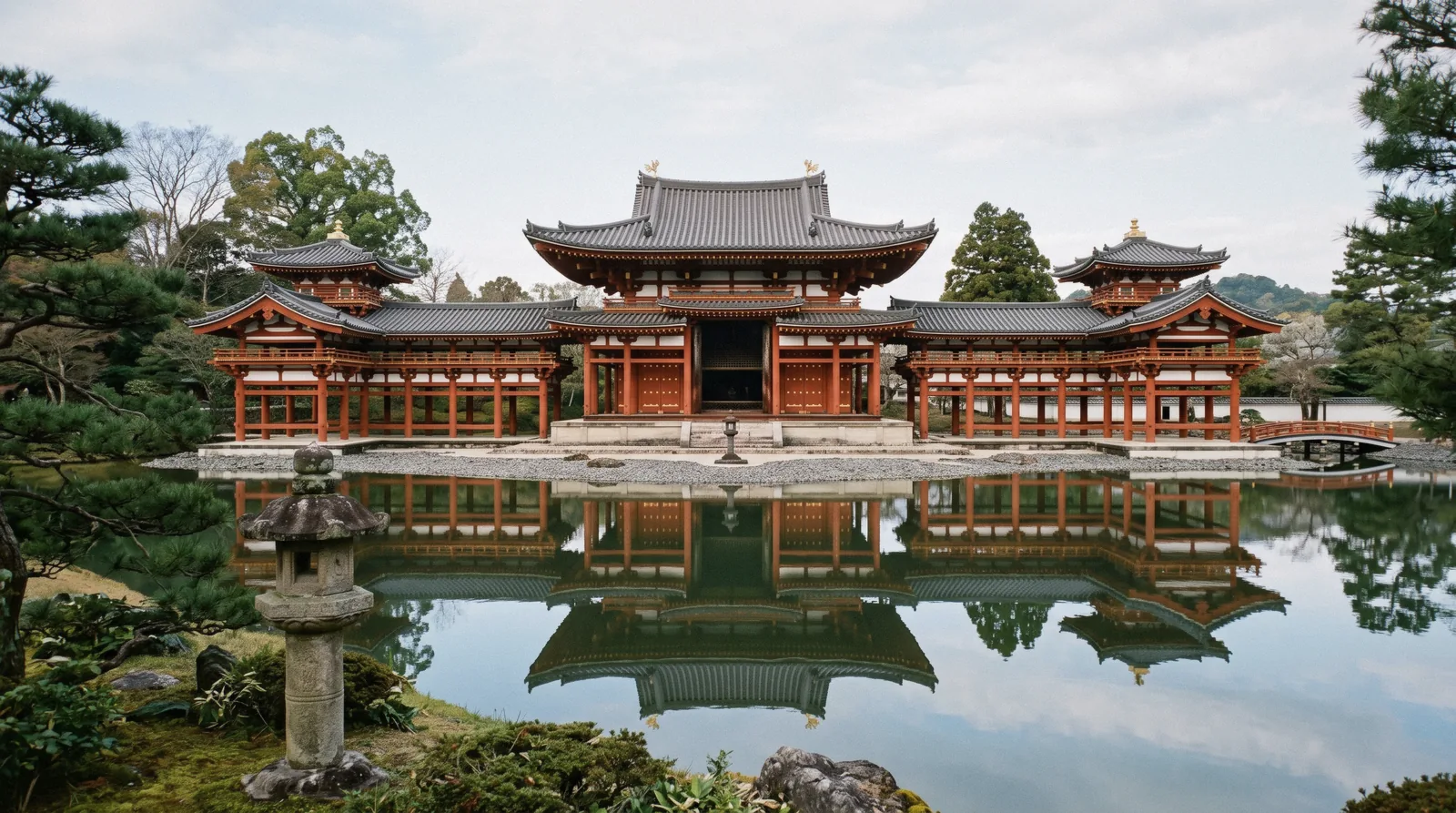
Uji
Uji, Japan, is twenty minutes south of Kyoto and holds two things worth the fare on their own: Byodo-in, whose Phoenix Hall floats on its pond exactly as it has since 1053 and is on the back of every ten-yen coin, and the tea. Uji has supplied the imperial court with matcha since the twelfth century, and the shops on its main street still grind it in stone mills you can watch through the window. This page has the fees, the hours and the one ticket rule that catches everyone out. The other day trips are on the day-trips hub, and Kyoto on the Kyoto city guide homepage.
Quick answer 20 minutes, $4.38, and one queue that matters — in four lines
Uji is 20 minutes from Kyoto Station on the JR Nara line for $1.63 (¥260). Byodo-in charges $4.38 (¥700) for the garden and the Hoshokan museum, with the Phoenix Hall interior a separate $1.88 (¥300); the garden opens 08:30 to 17:30 and the museum 09:00 to 17:00. Figures read on the temple's own site on 30 August 2026.
Key takeaways
- The Phoenix Hall interior cannot be reserved before the day — tickets are sold on site only, first come first served, in groups of 50 every 20 minutes from 09:10
- The building on the ten-yen coin is the Phoenix Hall; the phoenix on the ten-thousand-yen note is the bird on its roof
- The tea is not a souvenir industry: Uji has grown matcha for the court since the twelfth century, and the shops grind to order
- Four to five hours including travel covers Byodo-in, the river, Ujigami Shrine and a proper tea — half the day of a Nara trip
Key facts
Opening hours
| Byodo-in garden | 08:30–17:30 |
|---|---|
| Hoshokan museum | 09:00–17:00 |
| Phoenix Hall interior reception | 09:10–16:10 |
Closed The garden and museum are open year-round; interior viewing may be suspended in bad weather or for temple events
Admission
- Adult
- $4.38 (¥700) garden and museum; $1.88 (¥300) more for the Phoenix Hall interior
- Reduced
- $2.50 (¥400) junior and senior high; $1.88 (¥300) elementary. Groups of 25+: $3.75 (¥600) / $1.88 (¥300) / $1.25 (¥200)
- Free
- The riverbanks, the bridges, Ujigami Shrine and the tea streets
Planning it
- Time needed
- Not stated by anyone; our routing: 4 to 5 hours including travel
- Book ahead
- Recommended — a few days
- Address
- Byodo-in, 116 Uji Renge, Uji, Kyoto 611-0021 — 10 minutes on foot from JR Uji station
Two tickets at Byodo-in and almost nothing else to pay for. Prices are the temple's own, read on 30 August 2026 and converted at ¥160 = $1; tour prices are GetYourGuide's listings on the same date.
| Option | Price | What it covers | Cancel | Book |
|---|---|---|---|---|
| Byodo-in garden and Hoshokan museum | $4.38 (¥700); $2.50 (¥400) / $1.88 (¥300) school age | The pond, the Phoenix Hall from outside, and the museum's original phoenixes and bells | Not applicable | Official site |
| Phoenix Hall interior | $1.88 (¥300) extra, same-day only | Twenty minutes inside with the Amida Buddha; 50 people per slot | No advance booking of any kind | Official site |
| The town, the river, Ujigami Shrine | Free | The bridges, the tea street, the oldest shrine building in Japan | Not applicable | Official site |
| Nara, Uji and Fushimi Inari in one day | From $48.72 (¥7,795) | Coach, bilingual guide, three places, ten hours | Free up to 24 hours before | Check Availability |
The interior rule is the thing to plan around: the temple states plainly that slots are sold at the gate on the day, first come first served, with no phone, email or online reservation. On a spring or autumn weekend they are gone by late morning. On an ordinary weekday you can walk up at eleven and be inside by half past.
Guided trips that include Uji
Very few packaged tours stop here, which is part of the appeal. Prices are the platform's listings in USD, read on 30 August 2026.
 from $48.72
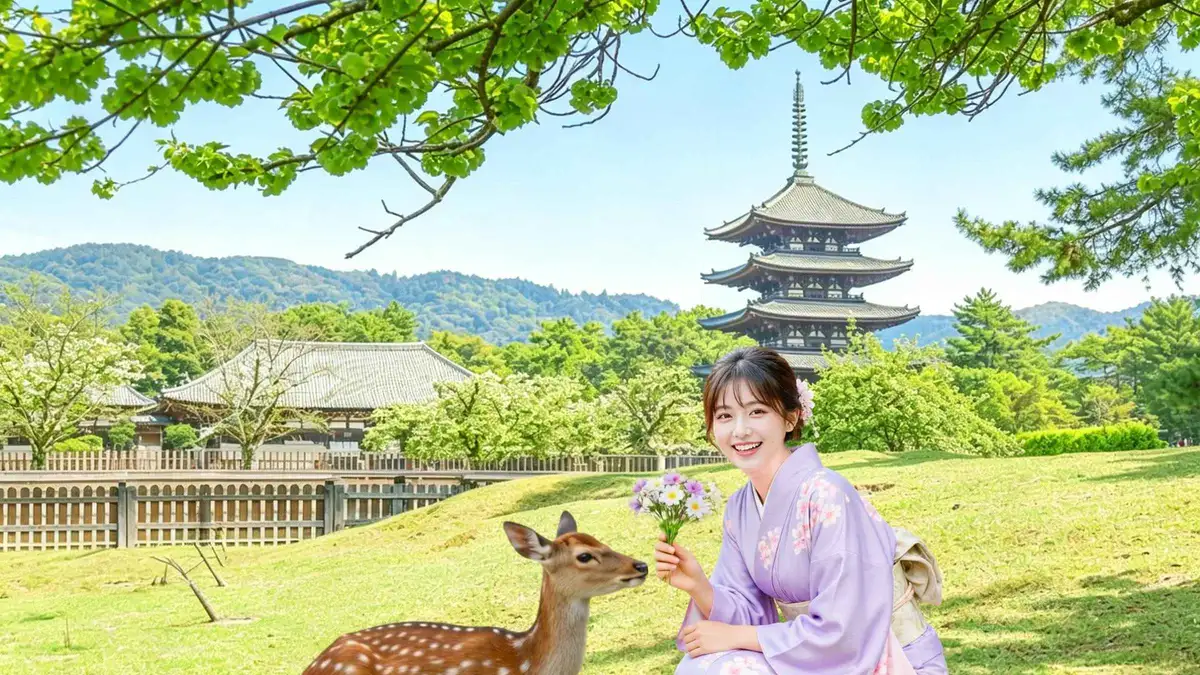
Osaka: Kyoto & Nara & Uji Tour, Todaiji, Fushimi Inari Taisha
Listing details checked 2026-08-30
Three places in a day: Nara's deer and Todai-ji, Uji's matcha streets and Byodo-in, then the climb at Fushimi Inari. Ten hours, bilingual guide, round-trip transfers.
- Stroll Nara Park interact closely with the cute deer and feed them a tasty snack
- Marvel at Todaiji colossal Vairocana Buddha in the world’s largest wooden temple
- Stroll along Uji River, savor authentic matcha desserts on tranquil riverbank
- Admire Byodoin Temple, a masterpiece of Heian-era Buddhist architecture
 from $50.75
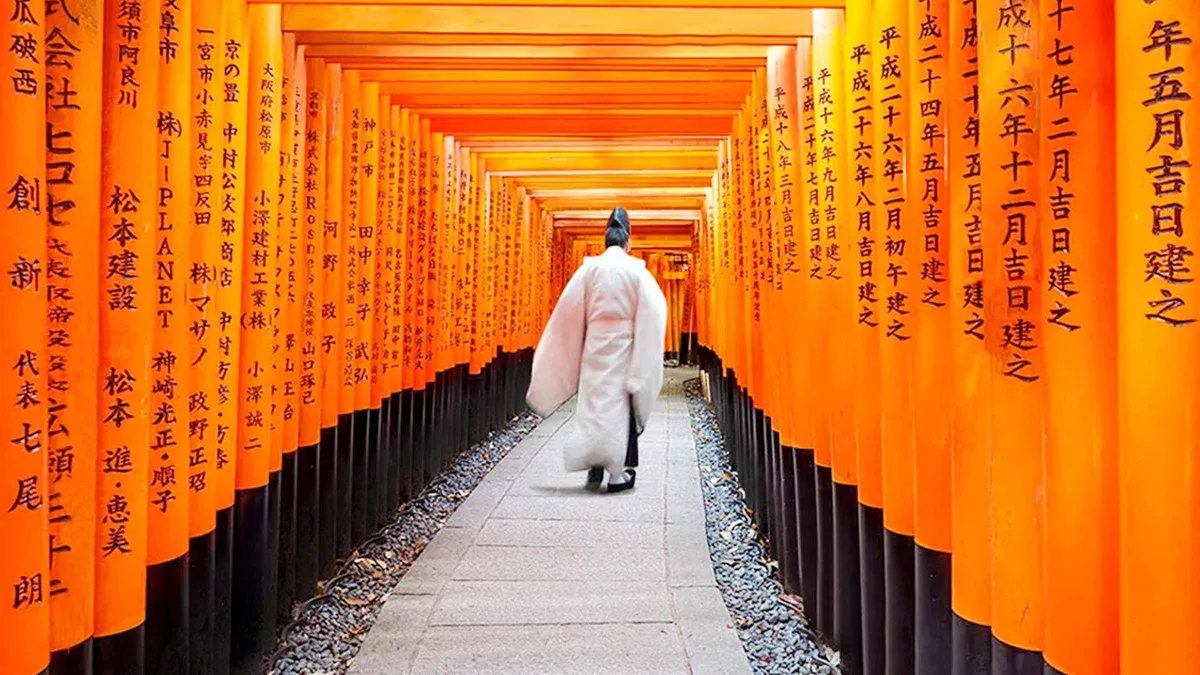
Kyoto/Osaka: Nara, Fushimi Inari Taisha, Arashiyama Bus Tour
Listing details checked 2026-08-30
The classic combination day: Nara's deer and Todai-ji, Fushimi Inari's Senbon Torii and the Arashiyama bamboo, on an air-conditioned coach with an English and Chinese guide.
- Feed, pet, and play with cute deer, the divine messengers at Nara Park
- Step into vibrant vermillion torii gates and feel the mysterious atmosphere
- Seek flourishing careers and endless prosperity at Fushimi Inari Taisha
- Wander the serene bamboo forest, where towering stalks whisper with Zen calm
 from $48.72
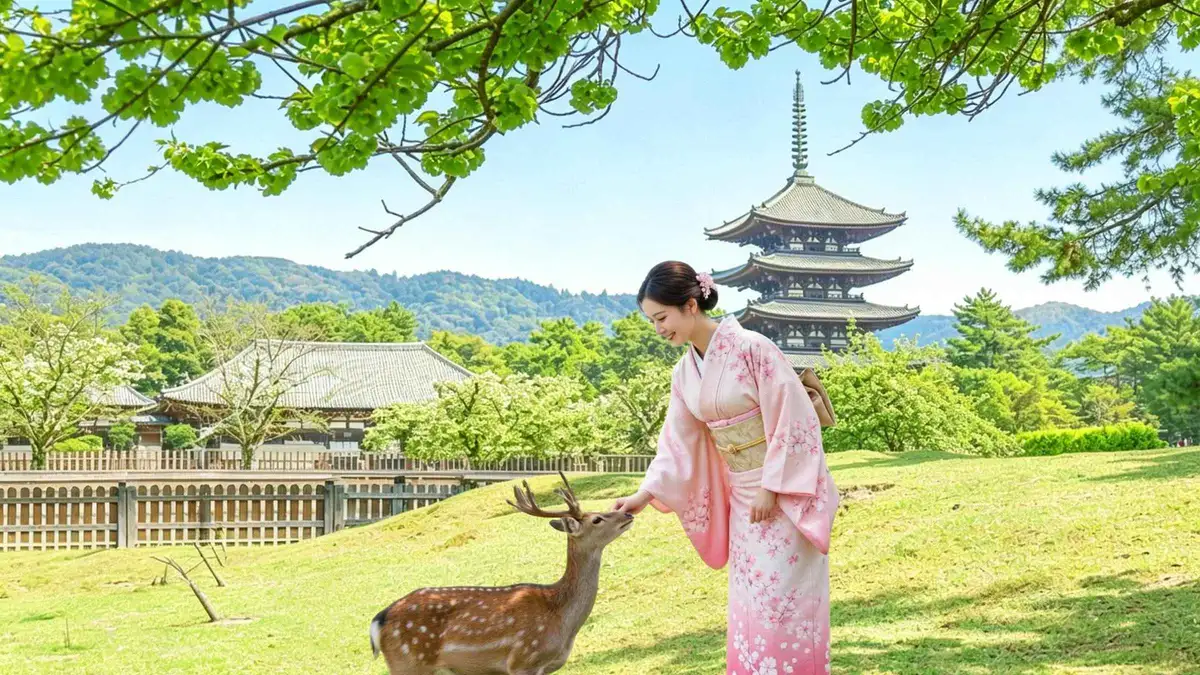
Kyoto/Osaka: Nara, Arashiyama, Fushimi Inari Taisha Day Tour
Listing details checked 2026-08-30
Nara's deer, Fushimi Inari's torii and Arashiyama's bamboo with an English and Chinese guide and hotel-adjacent transfers. Nine to ten hours, and the best-reviewed of the coach combinations.
- Feed sacred deer in historic Nara Park—witnesses to Japan’s ancient capital
- Step through vibrant vermilion torii gates and feel the mysterious atmosphere
- Seek flourishing careers and endless prosperity at Fushimi Inari Taisha
- Stroll through the serene Arashiyama Bamboo Forest bathed in dappled sunlight
 from $28.11
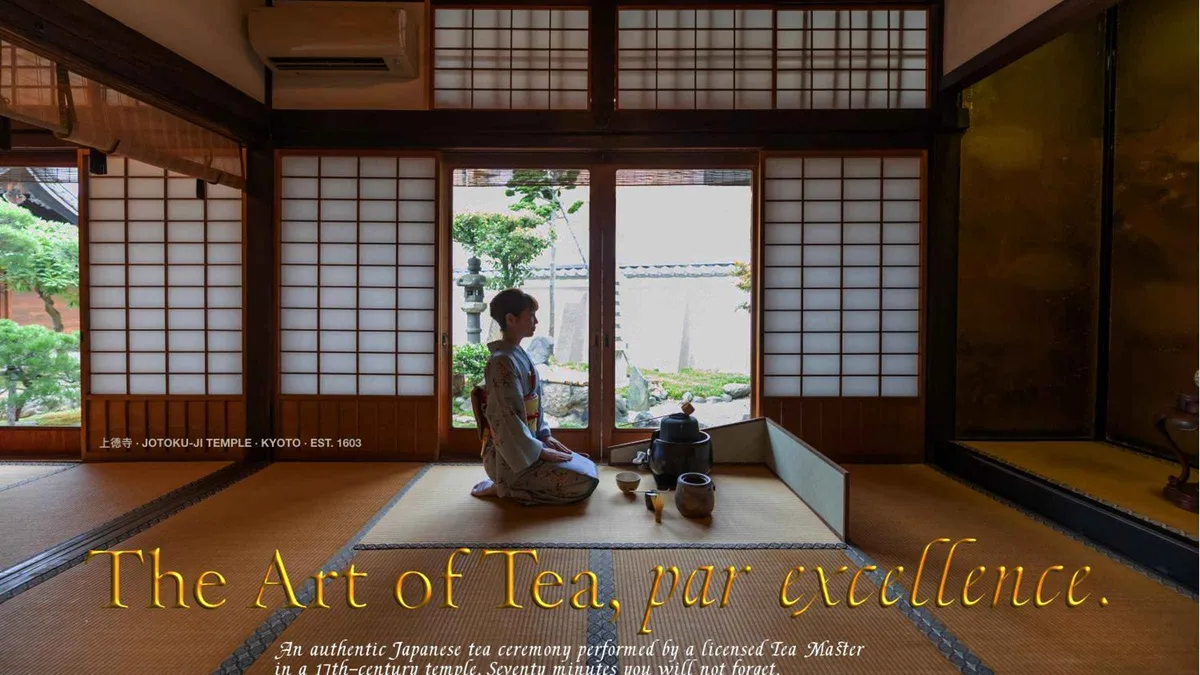
Kyoto: Tea Ceremony Ju-An at Jotokuji Temple
Listing details checked 2026-08-30
Seventy minutes of the real chanoyu ritual inside Jotokuji Temple, with the meaning of each movement explained. The most-reviewed tea ceremony in the city and among the cheapest.
- Take part in a traditional Japanese tea drinking ceremony
- Marvel at the architecture of the Jotokuji Temple
- Get the chance to experience this ancient ceremony
Byodo-in, and the building on the coin
A Fujiwara villa converted to a temple in 1052, and the only Heian-period hall of its kind still standing.
Fujiwara no Yorimichi inherited his father's country villa and, in 1052 — a year Buddhist teaching held to be the start of the age of decline — turned it into a temple. The Phoenix Hall went up the following year: a central hall with wings and a tail corridor, laid out to be seen reflected in its pond, with a gilded Amida Buddha by the sculptor Jocho inside and two bronze phoenixes on the roof.
The point of the design is that it is a model of the Western Paradise. The reflection is not a happy accident; the hall was built to be looked at from across the water, which is where you now stand with everybody else. Fifty-two bodhisattvas ride clouds on the interior walls — the originals are in the museum, and what you see inside are those that remain in place.
The Hoshokan museum, dug into the hillside behind, holds the original phoenixes, the temple bell and a set of the cloud-riding bodhisattvas at eye level, and it is included in the $4.38 (¥700) ticket. Most visitors give it ten minutes; it deserves thirty.
Getting inside the hall
The interior is a separate $1.88 (¥300), sold only at the gate on the day, in groups of fifty every twenty minutes from 09:10. You cannot book it by phone, by email or online, and the temple says so explicitly. Twenty minutes inside gets you the Jocho Amida at close range — the sculpture that set the standard for every Buddha carved in Japan afterwards.
In bad weather or during temple events the viewing is suspended.
The tea, which is the other reason to come
Uji is to matcha what Champagne is to sparkling wine, and it is a working industry rather than a heritage display.
Tea has grown here since the twelfth century, when seeds brought from China were planted in the hills above the river, and Uji has supplied the imperial court since the Muromachi period. The town's shops still stone-grind tencha into matcha on site — the mills turn slowly enough to keep the powder cool, about thirty grams an hour, which is why good matcha costs what it does.
What to do about it: sit down in one of the tea houses on Byodo-in Omotesando and have a bowl whisked properly, buy matcha by grade rather than by packaging, and try the town's other formats — matcha soba, matcha ice cream that is bitter rather than sweet, and the tea-leaf tempura some shops make in season. Several houses run short hands-on sessions in grinding and whisking your own; a Kyoto tea ceremony is the more formal version of the same thing.
- Gyokuro — shade-grown leaf tea, brewed at about 50 °C, and the thing Uji does better than anywhere
- Matcha by grade: ceremonial for whisking, culinary for cooking, and the price gap is real
- Hojicha — roasted and low in caffeine, which is the one to drink in the evening
- Grind-your-own sessions at several shops on the approach street; ask the day before at busy times
The rest of Uji, in a loop
Everything sits within twenty minutes of the river, and the walk is the point.
From JR Uji station the approach street runs ten minutes down to Byodo-in through the tea shops. Cross the Uji bridge — a crossing has stood here since 646, which makes it one of the oldest in Japan — onto the far bank for the quieter half of the town.
| Stop | Price | Time | Note |
|---|---|---|---|
| Byodo-in garden and museum | $4.38 (¥700) | 60–90 min | Add $1.88 (¥300) and a queue for the hall interior |
| Byodo-in Omotesando tea street | Free to walk | 45 min | Stone mills, tea houses, matcha in every form |
| Uji bridge and the riverbank | Free | 20 min | A bridge has stood here since 646 |
| Ujigami Shrine | Free | 20 min | The oldest surviving shrine building in Japan, and a UNESCO site |
| The Tale of Genji Museum | Charged | 45 min | The novel's final chapters are set here |
| Koshoji temple approach | Free | 20 min | An avenue of maples; spectacular in late November and empty |
Four hours covers all of it comfortably, five with a long lunch. It is the shortest genuinely worthwhile day trip from Kyoto, which is why the three-day itinerary offers it as the half-day alternative to Nara.
Uji map: the temple, the tea street and the river
The two stations, the temple and the quieter far bank.
Next stop from Uji
Train times are the timetable.
Fushimi sake district
Kyoto's brewing quarter on the same line: white-walled kura on a canal and a sake museum with tastings.
About 20 minutes north by KeihanFushimi Inari
Free, never closes, and the natural late-afternoon stop on the way back into the city.
About 25 minutes northNara
The Great Buddha and the deer park — a bigger day, and the two can be combined if you start at eight.
About 30 minutes southUji questions
How do you get from Kyoto to Uji?
JR Nara line from Kyoto Station, about 20 minutes for $1.63 (¥260), leaving a ten-minute walk to Byodo-in. The Keihan line from Gion-Shijo takes rather longer with a change at Chushojima but connects with the sake district. Neither Kyoto day pass covers either.
How much is Byodo-in?
$4.38 (¥700) for adults for the garden and the Hoshokan museum, $2.50 (¥400) for junior and senior high pupils and $1.88 (¥300) for elementary pupils, with group rates from 25 people. The Phoenix Hall interior is a further $1.88 (¥300). Figures read on the temple's own site on 30 August 2026.
Can you book the Phoenix Hall interior in advance?
No — and the temple states this explicitly. Tickets for the interior are sold on site on the day only, first come first served, in groups of fifty every twenty minutes from 09:10. No phone, email or online reservation exists. On busy weekends the slots are gone by late morning.
Is Uji worth visiting?
For twenty minutes on a train and about $6.25 (¥1,000) in admissions, yes — the Phoenix Hall is the only Heian-period hall of its kind still standing, and the tea is a genuine industry rather than a souvenir trade. It is the shortest worthwhile day trip from Kyoto.
How long do you need in Uji?
Four hours covers Byodo-in, the tea street, the river and Ujigami Shrine; five with a long lunch. Add the Tale of Genji Museum and the Koshoji maple avenue and it fills a comfortable day. That is our own routing — nobody official publishes one.
What is Uji matcha?
Tea grown around Uji, which has supplied the imperial court since the Muromachi period, and stone-ground on site at about thirty grams an hour to keep the powder cool. The shops on the temple approach sell it by grade — ceremonial for whisking, culinary for cooking — and several run short grinding sessions.
Where Uji fits in a Kyoto trip
A half day, on the southern line, and it pairs with two other things.
Uji sits on the JR line south of Kyoto, which puts it on the same axis as Fushimi Inari and the sake district. The strongest version of a southern day is Uji in the morning — the interior slots are easiest before eleven — then the breweries at Chushojima after lunch, then the shrine at golden hour on the way back.
As a day-three option it is the shorter alternative to Nara: back in Kyoto by mid-afternoon with the evening intact. The three-day plan offers both.
Page last reviewed 2026-08-30. Prices, hours and terms are set by the venue or operator and confirmed at checkout.
We may earn a commission if you book through one of our links, at no extra cost to you. Full affiliate disclosure