 Kyoto City Guide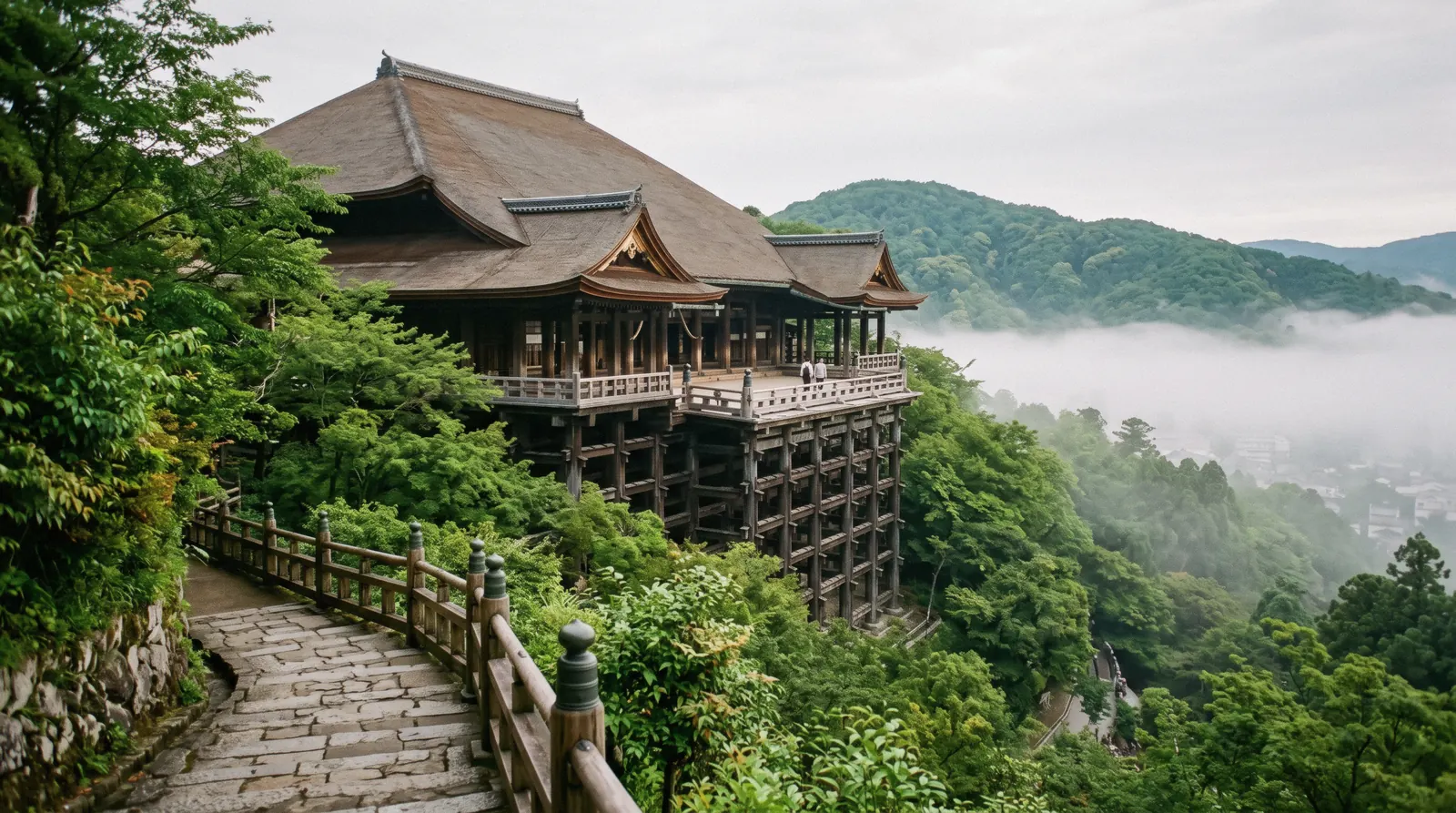
Kiyomizu-dera
Kiyomizu-dera is the temple on the Higashiyama hillside whose main hall stands on a platform of keyaki pillars thirteen metres above the slope, with no nails holding the frame together. It opens at 06:00 — earlier than any comparable sight in Japan — and that single fact decides how a visit here goes. This page covers the hours, the night viewings, the two lanes that climb to the gate, and the one number the temple declines to publish. The wider plan is on the Kyoto city guide homepage.
Quick answer Opens 06:00, no booking, 90 minutes — in four lines
Kiyomizu-dera opens at 06:00 every day of the year and closes at 18:00, half an hour later in July and August; there is no advance ticket and nothing to reserve. Hours read on the temple's own site on 30 August 2026. Allow 60 to 90 minutes on the grounds, plus 15 minutes uphill from the bus stop.
Key takeaways
- The 06:00 opening is the point: arrive by 07:30 and you have the stage and the Sannenzaka lanes effectively to yourself
- The temple's own site does not publish an admission price on any page — it publishes hours, access, group rules and its exemptions, and we would rather leave the figure blank than borrow one (why)
- Spring, summer and autumn bring night viewings with reception closing at 21:00 — a different temple, floodlit, with the city below
- A 90-minute guided visit with admission included is the way to have the stage explained; the bus tours give it about an hour
Key facts
Opening hours
| Daily, all year | 06:00–18:00 |
|---|---|
| July and August | 06:00–18:30 |
| Spring, summer and autumn night viewings | 18:00–21:30 |
| Amulet office and goshuin desk | 08:00–18:00 |
Closed None stated — the temple does not publish a closed day
Admission
- Adult
- Not stated on the temple's own site (read 30 August 2026)
- Reduced
- Not stated
- Free
- School-trip teachers with ID and an itinerary; disability or療育 certificate holders plus one companion
Planning it
- Time needed
- Not stated by the temple; our routing: 60 to 90 minutes including the Otowa waterfall queue
- Book ahead
- Optional — walk-up usually fine
- Address
- 1-294 Kiyomizu, Higashiyama-ku, Kyoto 605-0862 (no temple car park; the approach is on foot)
Kiyomizu-dera sells at the gate on the day. The table below sets what the temple offers against the guided options, priced from GetYourGuide on 30 August 2026; the admission row is deliberately blank because the temple states no figure on its own website, and we do not print numbers we cannot source.
| Option | Price | What it covers | Cancel | Book |
|---|---|---|---|---|
| Walk up and pay at the gate | Not stated on the temple's site | The main hall, the stage, the Otowa waterfall, the grounds | Not applicable | Official site |
| Guided visit, 90 minutes, admission included | From $52.47 | Guide, entry, morning or afternoon departure | Free up to 24 hours before | Check Availability |
| Morning e-bike highlights, 2.5 hours | From $55.00 | E-bike, guide, entry tickets on the route, Gion and Fushimi Inari | Free up to 24 hours before | Check Availability |
| Full-day bus tour with entry tickets and lunch | From $94.95 | Six sights including Kiyomizu-dera, tickets, buffet | Free up to 24 hours before | Check Availability |
Nobody sells skip-the-line here, because the gate is a cash window and the queue is measured in minutes rather than hours. The reason to book a guided visit is the hall itself: the stage, the joinery and the Jishu shrine behind it are not self-explanatory, and the temple's own signage is sparse in English.
Guided visits to Kiyomizu-dera, compared
Prices are the platform's listings in USD, read on 30 August 2026; the operator charges in your own currency at checkout.
 from $52.47
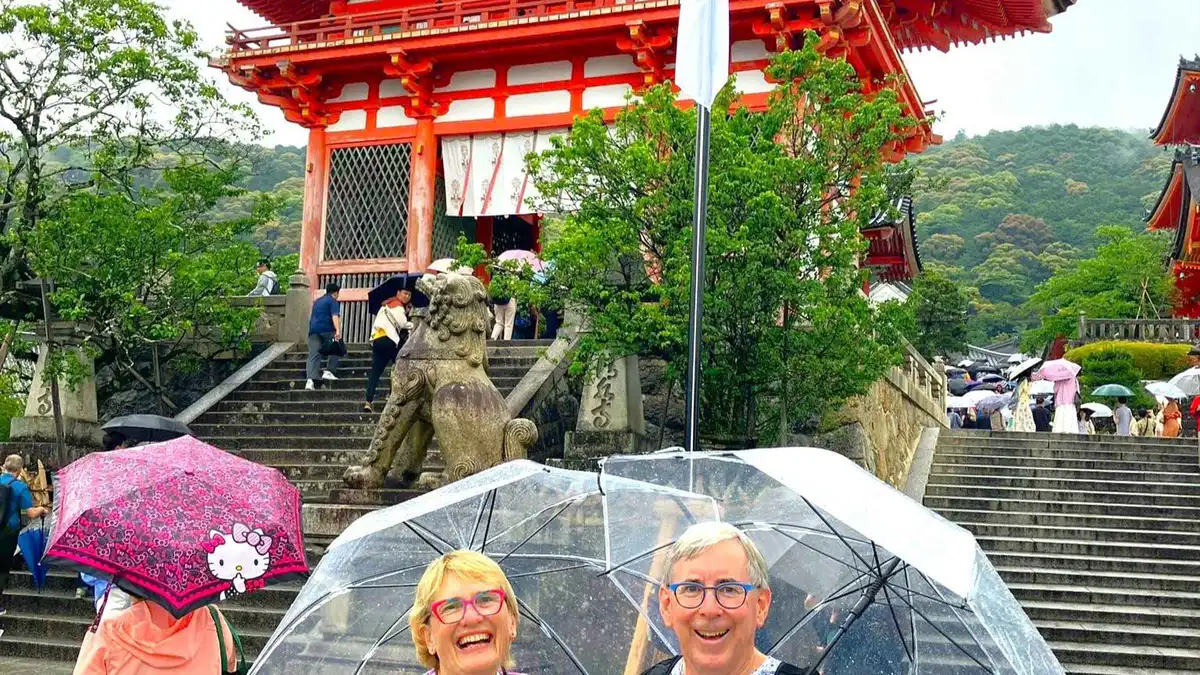
Kyoto: Kiyomizu-dera UNESCO Guided Tour
Listing details checked 2026-08-30
Ninety minutes inside Kiyomizu-dera with admission included and a choice of an early-morning or afternoon departure. The morning slot exists because the temple opens at 06:00.
- Explore Kiyomizu-dera, a UNESCO World Heritage Site
- See the famous wooden stage built entirely without nails
- Enjoy panoramic views over Kyoto from the main hall
- Choose early morning or afternoon departure options
 from $55
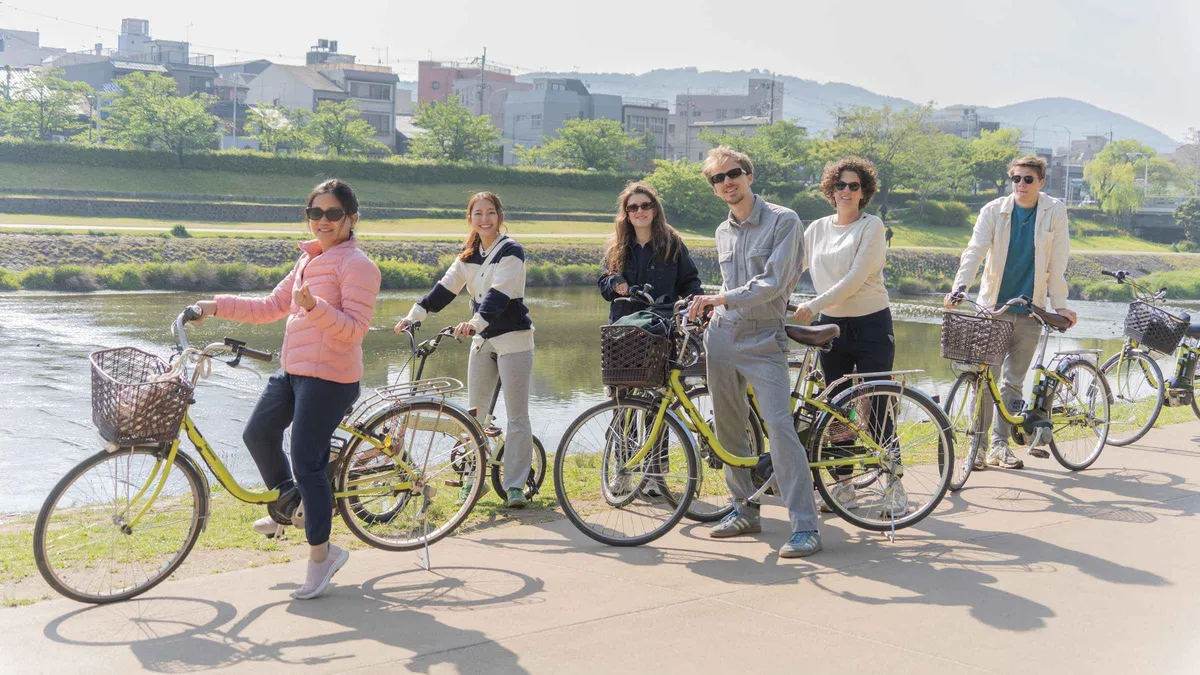
Kyoto: Morning Highlights E-Bike Tour
Listing details checked 2026-08-30
Two and a half morning hours by e-bike across Kiyomizu-dera, Gion and Fushimi Inari, entry tickets included. Covers ground on the hills that would cost you an hour on foot.
- Discover Kyoto's must-see sights without the crowds
- Enjoy a small-group experience for a personal touch
- Learn local history and cultural insights from a Japanese guide
- Cycle around Kyoto's highlights
 from $94.95
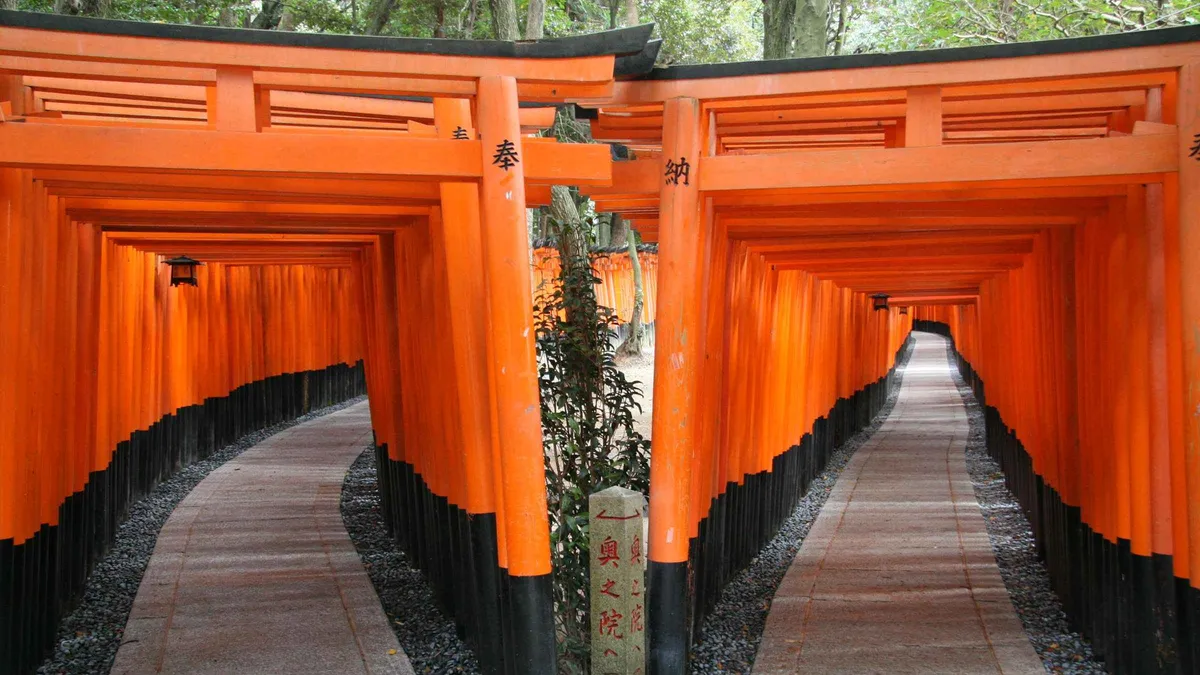
Kyoto: Fushimi Inari, Kinkakuji, Bamboo Grove 1-Day Bus Tour
Listing details checked 2026-08-30
The all-in coach day: Kiyomizu-dera, Sanjusangen-do, Tenryu-ji, the bamboo grove, Kinkaku-ji and Fushimi Inari with entry tickets and a Japanese buffet in one 8.5-hour run. The most reviewed Kyoto tour on the platform.
- Visit Fushimi Inari Taisha and walk through its iconic thousand torii gates
- Stroll through Arashiyama’s famous bamboo forest and enjoy its peaceful scenery
- Discover Kiyomizu-dera and the Golden Pavilion, in one unforgettable journey
- Benefit from a professional English-speaking local guide
 from $43.10
Kyoto: Bus Tour to Kinkaku-ji, Ginkaku-ji & Kiyomizu-dera
Listing details checked 2026-08-30
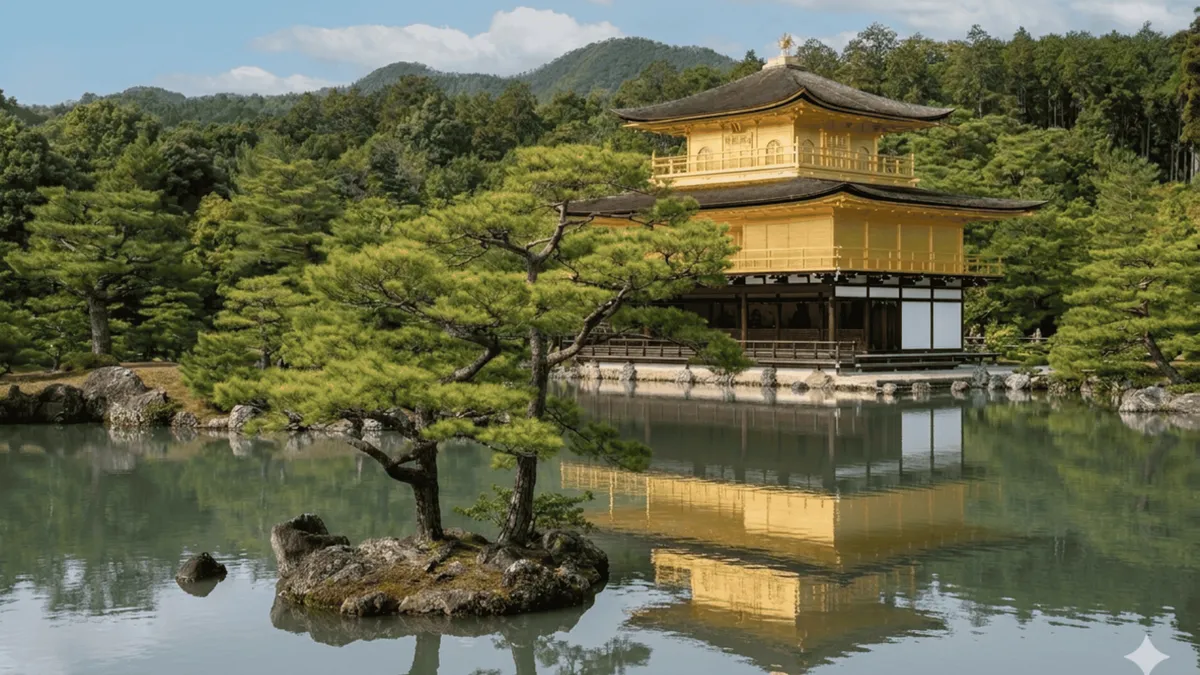
Half a day and an audio guide rather than a live one: Kinkaku-ji, Ginkaku-ji and Kiyomizu-dera by bus with free time at each. The cheapest way to link the three temples that are furthest apart.
- Discover Kyoto's top temples on a half-day bus tour with an audio guide
- Visit Kinkaku-ji, the Golden Pavilion, and admire its shimmering reflection
- Explore Ginkaku-ji, the Silver Pavilion, and its tranquil garden
- Enjoy free time to explore Kiyomizu-dera and its panoramic city views
 from $66.33
Kyoto by Bus: Nijo, Bamboo Grove & Fushimi Inari (EN/ES)
Listing details checked 2026-08-30
Eleven hours by bus with a bilingual English–Spanish guide across Nijo Castle, the bamboo grove and Fushimi Inari. The with-tickets option covers Kinkaku-ji, Nijo and Kiyomizu-dera entry; the cheaper one does not.
- Discover Kyoto’s top icons in one day by comfortable bus
- Beat the tourist crowds with early access to Arashiyama Bamboo Grove
- Visit Nijo Castle, Golden Pavilion & Kiyomizu-dera (if ticket option selected)
- Walk through thousands of torii gates at Fushimi Inari during free time
 from $48.10
Kyoto: Tea Ceremony in a Garden Tea House near Kiyomizu-dera
Listing details checked 2026-08-30
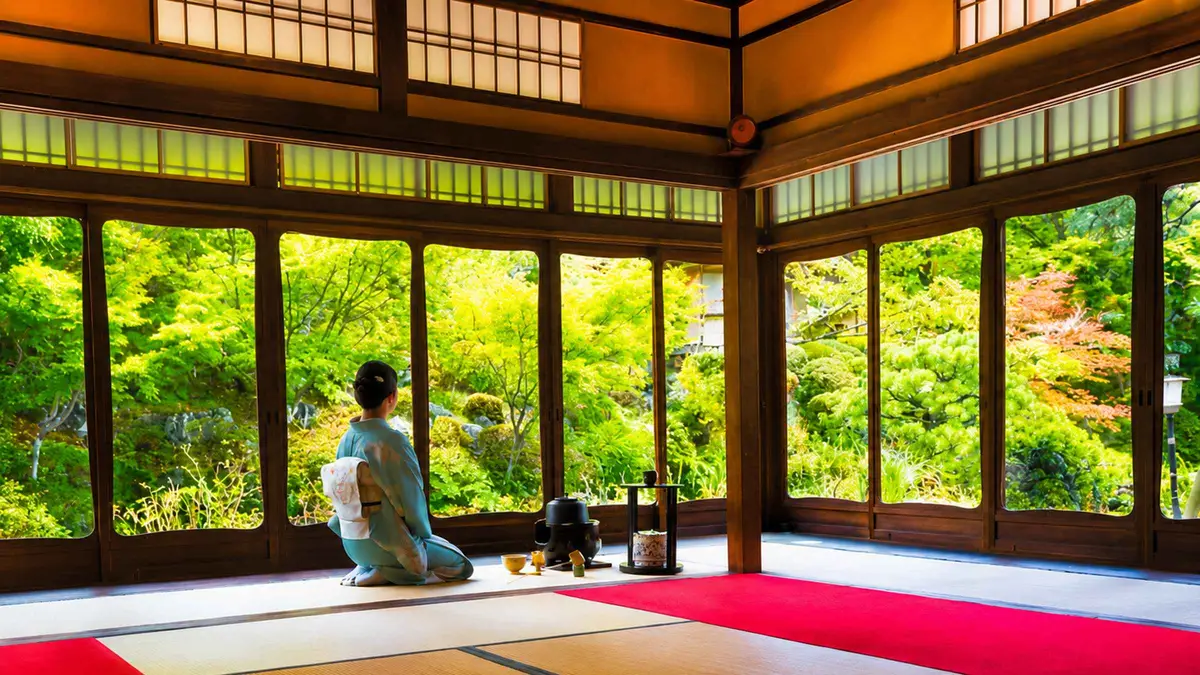
Forty-five minutes in a garden tea house minutes from Kiyomizu-dera: two bowls of Uji matcha, one made for you and one you whisk yourself, with a wagashi. Small groups, and it books out in the blossom weeks.
- Savor Japan's changing seasons in the timeless elegance of our historic garden
- Experience an authentic Japanese tea ceremony overlooking a beautiful garden
- Immerse yourself in a tranquil Zen atmosphere and the tea master's graceful art
- Enjoy a traditional Japanese sweet and matcha prepared by our tea master
The stage, and why it is famous for a reason that is not the view
The main hall's platform is the largest surviving structure of its kind, and the way it is built is the story.
The hondo projects out over the hillside on a scaffold of 168 zelkova pillars, some of them twelve metres long, assembled without a single nail. The joints are cut so that the frame flexes rather than snaps — which is why a wooden platform on a slope in an earthquake country has stood, in some form, since the eighth century, rebuilt after fires and most recently reroofed and restored in a programme that ran through the late 2010s and continues in stages.
The Japanese idiom for a leap of faith is "to jump off the stage at Kiyomizu". People did: Edo-period records count more than two hundred jumps, with a survival rate that was better than you might expect, thanks to the trees. The practice was banned in 1872.
Otowa waterfall, and the queue you should probably join
Below the stage, three channels of water fall into a basin, and visitors queue to catch one with a long-handled cup: longevity, success, love. The convention is that you drink from one and only one — taking all three is greedy and, by custom, cancels the wish. The queue moves steadily and takes ten to fifteen minutes at midday, almost nothing at 07:00.
The cups are sterilised under ultraviolet light between users.
What is around the hall
The Jishu shrine behind the main hall, dedicated to matchmaking, has been closed for major restoration in recent years — check on the day rather than counting on it. The three-storey pagoda on the way in is the most photographed building on the site after the stage itself, and the view back across the valley from the Koyasu pagoda, five minutes further on, is where the classic photograph of the stage is taken from. Almost everybody skips it.
Hours, and the one thing the temple will not tell you
Kiyomizu-dera is unusually generous with its opening hours and unusually quiet about its price.
The gate opens at 06:00 and closes at 18:00, extended to 18:30 in July and August; during the spring, summer and autumn night viewings the reception closes at 21:00 and the grounds at about 21:30. The amulet office and the goshuin desk start at about 08:00, so an early visit means the temple but not the stamp book. Those are the temple's own figures, read on kiyomizudera.or.jp on 30 August 2026.
What the site does not publish, anywhere we could find, is the admission fee. It publishes the hours. It publishes access, bus routes and the walk from each stop. Its FAQ answers whether group discounts exist (they do not), whether school-trip teachers pay (they do not, with ID and an itinerary), and whether disability-certificate holders pay (neither they nor one companion). The number itself is absent. Every third-party figure you will find online is somebody's recollection of what they paid, and we will not launder one of those into a table.
Night viewings
Three seasons of evening opening — spring around the blossom, a short summer season in mid-August around the Sennichi-mairi observance, and autumn from late November into early December. Dates change every year and are announced on the temple's news page rather than fixed in advance, so check before building an evening around one. A beam of light is thrown from the hillside over the city, the stage is lit from below, and the crowd is heavy but the atmosphere is worth it.
The two lanes up, and which one to walk
The approach is half the visit, and the choice of lane changes what you see.
From the Gojo-zaka bus stop the direct route is Chawan-zaka, "teapot lane", which climbs past pottery shops straight to the gate — steeper, shorter, and lined with the kind of shop that opens at ten. The alternative is to come from the north through Ninenzaka and Sannenzaka, two stone-stepped lanes of preserved machiya that are a protected historic district in their own right. They are the postcard, and they are also where a slow-moving crowd forms from mid-morning.
Before about 08:30 both lanes belong to residents, delivery vans and school children, and the shops are shuttered. That is the hour to walk them — which is one reason the 06:00 opening matters so much: it turns Kiyomizu into a place you visit on the way to breakfast rather than an item in an afternoon queue.
- From Kyoto Station: city bus 206 or 100 to Gojo-zaka, then about 10 minutes uphill
- Kyoto Bus route 18 also serves Gojo-zaka, weekends and holidays only
- From Gion: 20 minutes on foot through Nene-no-Michi, Ninenzaka and Sannenzaka
- Nearest railway station: Keihan Kiyomizu-Gojo, about 25 minutes on foot
- There is no temple car park; the temple asks visitors to come by public transport
Kiyomizu-dera map: the gate, the two lanes and the bus stop
The temple, the Otowa waterfall below the stage, the two approach lanes and the Gojo-zaka stop where the buses put you down.
Next stop from Kiyomizu-dera
Everything here is downhill and on foot. Walk minutes are our estimates.
Sannenzaka and the Higashiyama lanes
The preserved district that most people walk without knowing it has a name. Shops open at about 10:00; the lanes are at their best two hours before that.
Immediately below the gateKodai-ji
The temple Nene built for Hideyoshi, with a bamboo grove of its own and one of the city's best autumn illuminations. $5 (¥800) at the gate from 1 April 2026, far quieter than its neighbour.
12 minutes northGion
The geiko district and the obvious place to end the walk. An evening guided walk picks up where the temple day ends.
20 minutes north through Nene-no-MichiKiyomizu-dera questions
What time does Kiyomizu-dera open?
06:00, every day of the year, closing at 18:00 and at 18:30 in July and August. During the spring, summer and autumn night viewings the reception closes at 21:00. Those hours are the temple's own, read on 30 August 2026. The 06:00 opening is the earliest of any major sight in Kyoto, which is why the one-day itinerary starts here.
How much is admission to Kiyomizu-dera?
The temple does not publish the figure on its own website. It publishes hours, access, group rules and its exemptions — teachers escorting school trips and holders of a disability certificate plus one companion enter free — but no price. Rather than repeat a number from a blog we have left the cell blank in the table above and suggest bringing coins; the window takes cash. How we handle missing official figures.
How long do you need at Kiyomizu-dera?
Sixty to ninety minutes on the grounds, which covers the stage, the pagoda, the Otowa waterfall queue and the Koyasu viewpoint most people skip. Add fifteen minutes uphill from the Gojo-zaka bus stop and, if you are walking the Higashiyama lanes properly, another hour. That is our estimate — the temple states no figure.
Do you need to book Kiyomizu-dera in advance?
No. There is no advance sale, no timed entry and nothing to reserve; you pay at the gate on the day. The only things worth booking around here are the guided visits, such as the 90-minute tour with admission included, and even those have same-week availability outside the blossom and autumn weeks. What in Kyoto genuinely needs booking.
Is the Kiyomizu-dera stage still under restoration?
The major reroofing programme finished and the stage is open, but the temple continues to run staged conservation work on the main hall and publishes updates on its own news page rather than a fixed schedule. Nothing currently closes the stage to visitors. Check the temple's site in the week you travel if the joinery is the reason you are coming.
How do I get to Kiyomizu-dera from Kyoto Station?
City bus 206 or 100 to Gojo-zaka, then about ten minutes uphill on Chawan-zaka. Kyoto Bus 18 also serves the stop at weekends and on holidays. Keihan Kiyomizu-Gojo station is about a 25-minute walk. There is no temple car park. Neither day pass is needed for a single trip — when the passes pay.
Where Kiyomizu-dera fits in a Kyoto day
It is the argument for setting an alarm, and the anchor of the eastern day.
Because it opens at 06:00 and the lanes below it are empty until 08:30, Kiyomizu-dera is the one sight in Kyoto where the early start pays twice: the temple is quiet and the walk down through Sannenzaka and Ninenzaka is a different street than the one the coach parties see at eleven. From the bottom of the lanes it is twenty minutes on foot to Gion, and from there the whole eastern chain — Kodai-ji, Yasaka Shrine, the Philosopher's Path — runs north without a bus.
That is exactly the shape of the one-day route, and the first half of the two-day one.
Page last reviewed 2026-08-30. Prices, hours and terms are set by the venue or operator and confirmed at checkout.
We may earn a commission if you book through one of our links, at no extra cost to you. Full affiliate disclosure