 Kyoto City Guide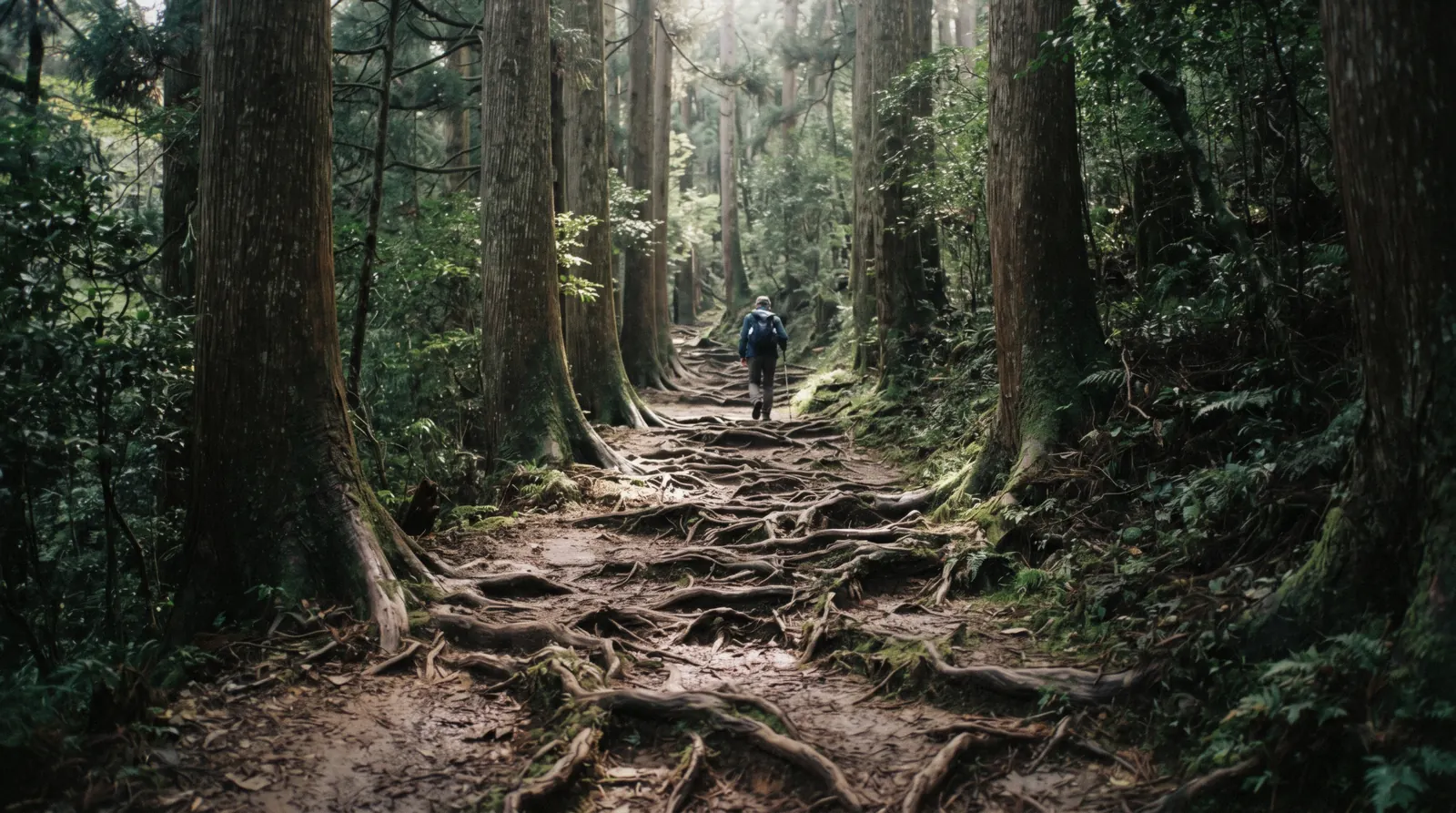
Kurama and Kibune
Kurama is a mountain village thirty minutes north of Kyoto on a two-carriage railway, with a temple up its slope, a shrine down the far side and a two-hour walk over the ridge between them. It is where residents go when the city is too hot or too crowded, the autumn colour arrives a fortnight before it reaches the basin, and no Kyoto transport pass covers a metre of it. This page has the fees — including a cable car that is formally a donation rather than a fare — the walk, and the timings. The other escapes are on the day-trips hub and the city on the Kyoto city guide homepage.
Quick answer The fee, the donation, the walk — in four lines
Kurama-dera charges a $3.13 (¥500) mountain fee, in force since 1 April 2023, and its funicular is not a fare but a $1.25 (¥200) donation for adults and $0.63 (¥100) for children, one way. The main hall is open 09:00 to 16:15 and the cable runs 08:40 to 16:25. The ridge walk over to Kibune takes about an hour and a half. Figures read on the temple's own site on 30 August 2026.
Key takeaways
- The temple states plainly that the cable car is not a commercial service — it was built so that elderly and less mobile pilgrims could reach the halls, and the money is a donation towards maintaining them
- Neither Kyoto day pass reaches here. The Eizan Railway from Demachiyanagi is a separate fare, and the city's own transport page excludes Kurama and Kibune from the flat-fare zone
- The walk from Kurama over the ridge to Kibune is about 90 minutes on stone steps and cedar roots — genuinely a hike, not a stroll
- In summer, Kibune's restaurants serve on platforms built over the stream; in November the colour arrives here a fortnight before the city
Key facts
Opening hours
| Kurama-dera main hall | 09:00–16:15 |
|---|---|
| Cable car, first up and last down | 08:40–16:25 |
| Reihoden museum | 09:00–16:00 |
Closed Reihoden closed Tuesdays (the following day when the Tuesday is a holiday) and for the winter, 12 December to the end of February. The cable car suspends for periodic inspection days
Admission
- Adult
- $3.13 (¥500) mountain fee (愛山費)
- Reduced
- Cable car donation $1.25 (¥200) adults, $0.63 (¥100) elementary and under, one way; Reihoden $1.25 (¥200)
- Free
- Kifune Shrine's main precinct, the ridge path once the mountain fee is paid, the village streets
Planning it
- Time needed
- Not stated by the temple; our routing: 4 to 5 hours from Demachiyanagi and back, including the walk
- Book ahead
- Optional — walk-up usually fine
- Address
- 1074 Kuramahonmachi, Sakyo-ku, Kyoto 601-1111 (temple office 075-741-2003)
Three small payments and one train fare. Figures are the temple's and the railway's own, read on 30 August 2026 and converted at ¥160 = $1.
| Option | Price | What it covers | Cancel | Book |
|---|---|---|---|---|
| Kurama-dera mountain fee (愛山費) | $3.13 (¥500) | The mountain, the halls and the ridge path over to Kibune | Not applicable | Official site |
| Cable car donation, one way | $1.25 (¥200) adult; $0.63 (¥100) child | The funicular up the first stretch — a donation, not a fare | Not applicable | Official site |
| Reihoden (Kurama-yama museum) | $1.25 (¥200) | Natural history, temple treasures and the Yosano memorial room | Closed Tuesdays and 12 Dec – end Feb | Official site |
| Private licensed guide, 4 to 8 hours | From $206.14 (¥32,982) | A day built around what you want, including this line if you ask | Free up to 24 hours before | Check Availability |
There is no packaged tour to Kurama worth listing, which is a fair reflection of the place: it is a train ride, a footpath and a village. The only thing worth arranging is a Kibune restaurant table in summer, which the restaurants take directly.
If you would rather be guided
Nothing packaged runs to Kurama; these are the flexible options that can include it. Prices are the platform's listings in USD, read on 30 August 2026.
 from $206.14
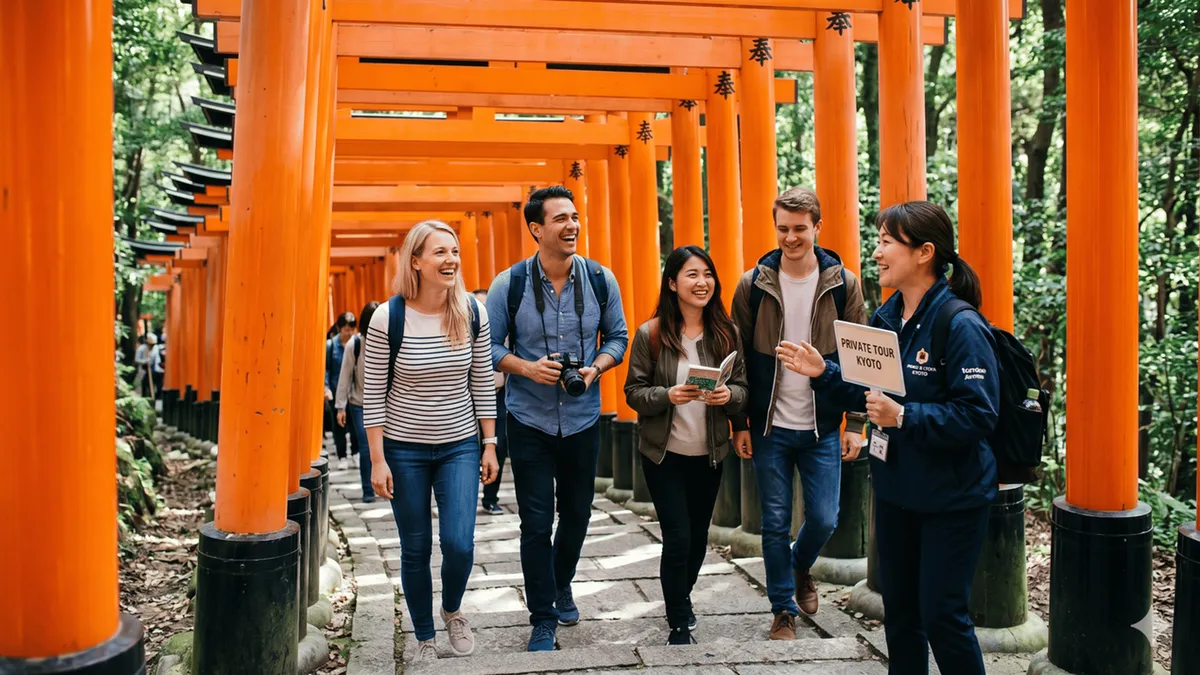
Kyoto Customized Private Tour in 1 Day with Licensed Guide
Listing details checked 2026-08-30
A nationally licensed guide for four, six or eight hours, with the route built around what you want to see. Walking and public transport, so it costs less than the vehicle option.
- Discover the best of Kyoto on a private guided walking tour
- Enjoy a personal and professional experience with a licensed local guide
- See some of Kyoto's most important and famous highlights
- Customize to your route or let your guide take care of the itinerary planning
 from $317.02
Kyoto: Private Customizable Day Tour with Guide and Vehicle
Listing details checked 2026-08-30
A private guide and a vehicle for the day, with hotel pickup — the answer for anyone travelling with mobility limits, small children or a very full list.
- Travel in a guaranteed clean, modern private vehicle
- Enjoy included hotel pickup and drop-off
- Explore Kyoto on a tour perfect for first-time visitors
- Ask about pickup and drop-off in Osaka or Kobe
 from $75
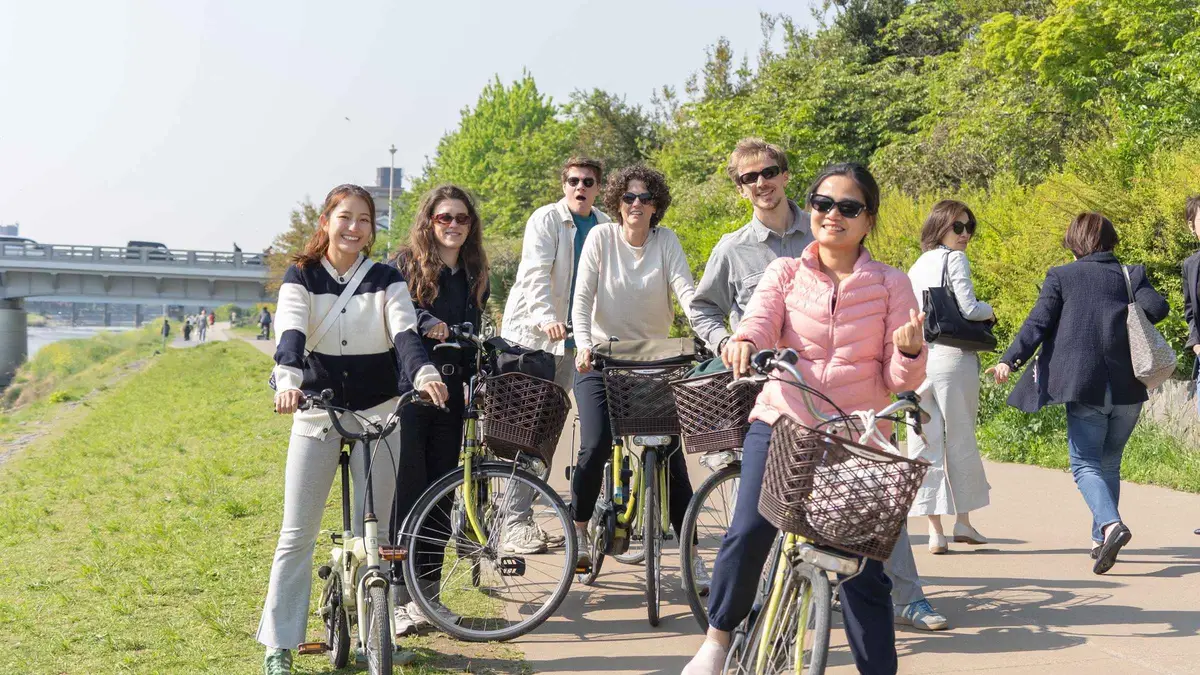
Kyoto: Hidden Gems E-Bike Tour with Local Japanese Guide
Listing details checked 2026-08-30
Three and a half hours by e-bike through back streets, canals and temples most visitors never reach, with entry tickets and a local Japanese guide. Kyoto is flat where it matters.
- Make a Japanese friend as you cycle and explore Kyoto City
- Avoid traffic and explore hidden gems with a local tour guide
- Explore the beautiful views of Kyoto, chill, and enjoy!
Kurama-dera, and the cable car that is not a cable car
A working mountain temple with an unusual attitude to money and a stranger one to cosmology.
The temple was founded in 770 and sits on a wooded slope above the village. Its own literature explains the two payments in a way no other Kyoto temple does: the mountain fee — aizanhi, literally "mountain-love fee", $3.13 (¥500) since 1 April 2023 — goes towards cleaning the mountain, nurturing the forest and maintaining the pilgrim path, and the temple states that it deliberately leaves the path unpaved and fallen trees where they lie, so as not to interrupt the cycle it exists to protect.
The cable car is stranger still. The temple says it was laid so that elderly people and those with weak legs could reach the halls more easily, that it is not a profit-making business, and that rather than charging a fare it lets those who have contributed to the upkeep of the mountain's halls use it as a thank-you. The contribution is $1.25 (¥200) for adults and $0.63 (¥100) for children, one way. It runs from 08:40 up to 16:25 down and is suspended on periodic inspection days.
Kurama is also the home of Kurama-kokyo, an independent religious school that reads the temple's central deity as a cosmic life-force, and of the tengu — the long-nosed mountain spirits said to have taught swordsmanship to Minamoto no Yoshitsune when he trained here as a boy. There is a very large tengu head outside the station and nobody in the village finds it odd.
The walk over the ridge to Kibune
About 90 minutes, and the reason to come. Times are ours, at an unhurried pace with photograph stops.
The path runs from behind the temple's main hall over the ridge and down the far side into Kibune. It is stone steps, packed earth and — in one famous stretch — a slope where cedar roots have been exposed into a lattice across the trail, said to be where Yoshitsune trained. Nothing about it is exposed or dangerous; it is simply a real footpath in a forest.
| Section | Time | Note |
|---|---|---|
| Kurama station to the temple gate | 5 minutes | The tengu head is outside the station |
| Gate to the main hall, on foot | 30 minutes | Or 10 minutes with the funicular donation |
| Main hall to the ridge (Kinone-michi) | 25 minutes | The exposed cedar roots; stone steps |
| Ridge down to Kibune | 35 minutes | Steeper going down; wet stone after rain |
| Kibune to Kibuneguchi station | 30 minutes | Downhill along the road, or a short local bus |
Trainers are fine in dry weather; after rain the descent is slippery enough to want a hand free. Doing it in the other direction — Kibune up, Kurama down — is equally common and slightly harder work. Either way the mountain fee is paid at whichever end you start.
Kibune: the shrine, and dinner over a stream
A single street along a mountain river, a water shrine at the top of it, and a summer dining tradition you cannot see anywhere else in Japan.
Kifune Shrine has stood at the head of the valley for well over a millennium and is dedicated to the deity of water — it is the shrine Kyoto's brewers, dyers and restaurateurs come to. Its approach, a flight of stone steps under vermilion lanterns, is one of the most photographed staircases in Japan, particularly under snow. Its fortunes are written in water: you draw a blank slip, float it in the sacred spring, and the characters appear.
From roughly May to September the restaurants along the street build kawadoko — platforms out over the river, a few centimetres above the water — and serve lunch and dinner on them. The stream runs cold enough to drop the air temperature noticeably, which in a Kyoto August is the entire point. Prices are set-menu and not cheap; reservations are made directly with each restaurant and are essential at weekends.
In 2026 the district also runs temporary traffic restrictions in the peak weeks, posted by the shrine — check its site before driving, which you should not be doing anyway.
Getting to Kurama, and the pass that will not help
One railway, one fare, and a common planning mistake.
The Eizan Railway runs from Demachiyanagi, in the north of the city, to Kurama in about thirty minutes on a two-carriage mountain line; some services use observation carriages with seats turned to face the windows, which through the maple tunnel in November is worth timing for. Kibuneguchi is the stop before Kurama.
Demachiyanagi is on the Keihan line from Gion-Shijo, about ten minutes. Total door to door from central Kyoto: about an hour.
Neither city day pass covers any of this. Kyoto City's own transport page states that Kurama and Kibune lie outside the flat-fare bus zone and are not served by the pass, and the Eizan Railway is a private line outside both passes entirely. Budget the fares separately — how the passes actually work.
Kurama and Kibune map: the two ends of the walk
The temple, the ridge path, the shrine and the two stations.
Next stop from Kurama
Train times are the timetable.
Ginkaku-ji and the Philosopher's Path
The canal walk on the eastern edge — the natural afternoon if you come down from the mountain by lunchtime.
About 30 minutes back towards the cityDay trips from Kyoto
Nara, Uji and the northern coast, ranked by how long they really take.
The other escapesGetting around Kyoto
Which lines the city passes cover — and why this one is not among them.
The faresKurama and Kibune questions
How much does Kurama-dera cost?
A $3.13 (¥500) mountain fee, in force since 1 April 2023. The funicular is a separate $1.25 (¥200) donation for adults and $0.63 (¥100) for children, one way, and the Reihoden museum is $1.25 (¥200). The temple's own page explains that the cable car is not a commercial service.
How long is the walk from Kurama to Kibune?
About 90 minutes over the ridge at an unhurried pace, plus 30 minutes down from the shrine to Kibuneguchi station. It is a real footpath — stone steps, packed earth and the exposed cedar roots on the Kinone-michi stretch — rather than a paved trail. The section table breaks it down.
Does the Kyoto day pass cover Kurama?
No. Kyoto City's own transport page places Kurama and Kibune outside the flat-fare bus zone, and the Eizan Railway that reaches them is a private line covered by neither city pass. Budget the fares separately — the transport page sets out what the passes do cover.
What is kawadoko dining in Kibune?
From roughly May to September the restaurants along Kibune's single street build platforms out over the river and serve set-menu lunches and dinners on them, a few centimetres above the water. It drops the air temperature noticeably, which is the point in a Kyoto August. Book directly with the restaurant; weekends fill.
When is the best time to visit Kurama?
Mid-November for the colour, which arrives here a fortnight before it reaches the city, or July and August for the cool air and the river dining. Winter has its own case: the lantern staircase at Kifune Shrine under snow is one of the images of Japan, and the village is empty.
How do you get to Kurama from Kyoto?
Keihan to Demachiyanagi, then the Eizan Railway about thirty minutes to Kurama — roughly an hour door to door from central Kyoto. Some services run observation carriages with window-facing seats, which is worth timing for in the maple tunnel in November.
Where Kurama fits in a Kyoto trip
A half day out of the city, and the right answer to a specific kind of day.
This is not a first-visit stop. It is what you do on a fourth day, on a second trip, or on the afternoon when the heat in the basin has become unreasonable and the temples are all full — which in August is most afternoons. Leave Demachiyanagi at nine, walk the ridge before noon, eat in Kibune, and be back in the city by four.
In November it deserves better than that: the colour on this line peaks a fortnight before the city's and the observation carriages run through a lit maple tunnel. The best-time page sets out the timing.
Page last reviewed 2026-08-30. Prices, hours and terms are set by the venue or operator and confirmed at checkout.
We may earn a commission if you book through one of our links, at no extra cost to you. Full affiliate disclosure