 Kyoto City Guide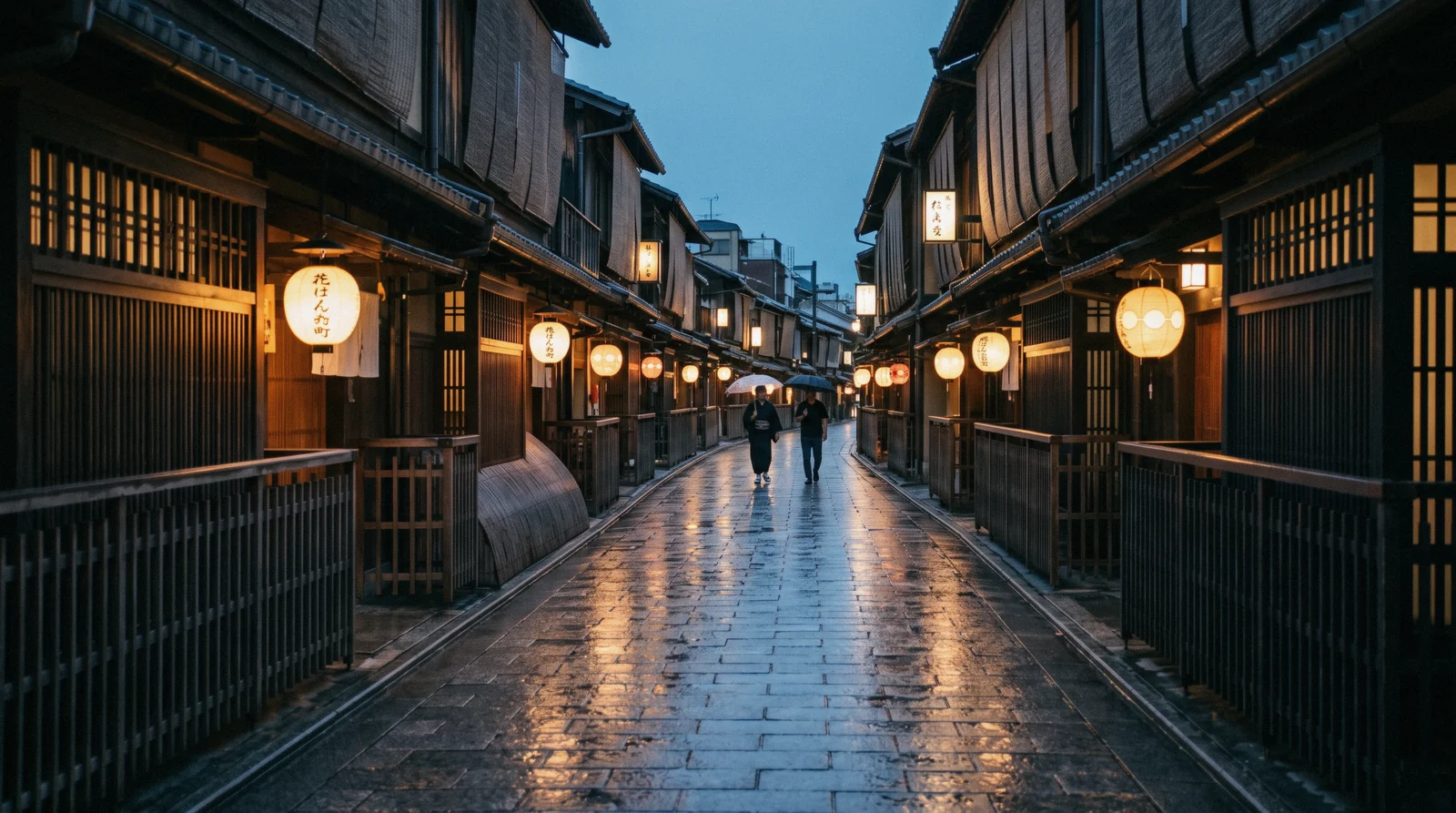
Gion
Gion is the geiko district east of the Kamo river, and the part of Kyoto where the gap between what visitors expect and what the place actually is opens widest. It is not an attraction with a gate: it is a few hundred metres of working teahouses, private lanes with posted rules, one public street everyone photographs, and a canal that is prettier than either. This page covers what is public and what is not, when the geiko actually move, and what a guided walk buys. The rest of the city is on the Kyoto city guide homepage.
Quick answer Free to walk, rules on the private lanes, dusk is the hour — in four lines
Gion costs nothing and has no opening hours: it is a working district of teahouses, restaurants and homes. The private lanes off Hanamikoji are closed to visitors and posted with notice boards by the residents' council, put up with Kyoto City support. The public streets — Hanamikoji itself, Shirakawa and the approach to Yasaka Shrine — are open at any hour.
Key takeaways
- The photograph everybody wants is on Shirakawa, the canal lane north of Shijo, not on the crowded Hanamikoji everyone queues along
- Photography and entry are prohibited on the private lanes; obstructing a road carries a fine of up to $312 (¥50,000) under national law and littering up to $187 (¥30,000) under city ordinance
- Geiko and maiko move between engagements around 17:30–18:30 and again late — they are working, and a guided walk is the way to understand rather than chase them
- To actually meet one, book a maiko performance with tea at $40.60 (¥6,500) rather than standing in a lane hoping
Key facts
Opening hours
| Streets, all year | 00:00–24:00 |
|---|---|
| Yasaka Shrine grounds | 00:00–24:00 |
Closed None — it is a residential and business district, not a site
Admission
- Adult
- Free to walk; guided walks from $17.49 (¥2,800)
- Reduced
- Not applicable
- Free
- The streets, Shirakawa canal, Yasaka Shrine and Maruyama Park
Planning it
- Time needed
- Not stated by anyone; our routing: 60 to 90 minutes on foot, best at dusk
- Book ahead
- Recommended — a few days
- Address
- Gion-machi, Higashiyama-ku, Kyoto — between the Kamo river and Yasaka Shrine
Nothing in Gion is ticketed, so the comparison is between ways of spending an evening in it. The district's own rules are published by Kyoto City and the Gion-machi Minamigawa council; tour prices are GetYourGuide's listings, read on 30 August 2026 and shown with the yen figure at ¥160 = $1.
| Option | Price | What it is | Cancel | Book |
|---|---|---|---|---|
| Walk the public streets yourself | Free | Hanamikoji, Shirakawa, Yasaka Shrine and the Kamo riverbank | Not applicable | Official site |
| Gion hidden-gems walk, 2 hours | From $18.74 (¥3,000) | Starts at Shirakawa, away from the crowd; the district's most reviewed walk | Free up to 24 hours before | Check Availability |
| Stories of geisha walk, 2 hours | From $17.49 (¥2,800) | The training, the hierarchy and the ochaya economy, explained | Free up to 24 hours before | Check Availability |
| One-hour maiko performance with tea | From $40.60 (¥6,500) | A dance, a question-and-answer session with an interpreter, tea and sweets | Free up to 24 hours before | Check Availability |
| Gion and Pontocho food tour, 13 dishes | From $69.96 (¥11,200) | Two venues, two drinks, a local guide, three hours | Free up to 24 hours before | Check Availability |
About forty maiko remain in Kyoto. They are not performers on a street: they are apprentices travelling between paid engagements, and the ochaya they enter are private houses that take introduced guests only. Every honest way to meet one is a booked, paid engagement — which is what the performance ticket above is.
Gion walks and performances, compared
Prices are the platform's listings in USD, read on 30 August 2026; the operator charges in your own currency at checkout.
 from $18.74
Kyoto: Gion Geisha District & Hidden Gems Walking Tour
Listing details checked 2026-08-30
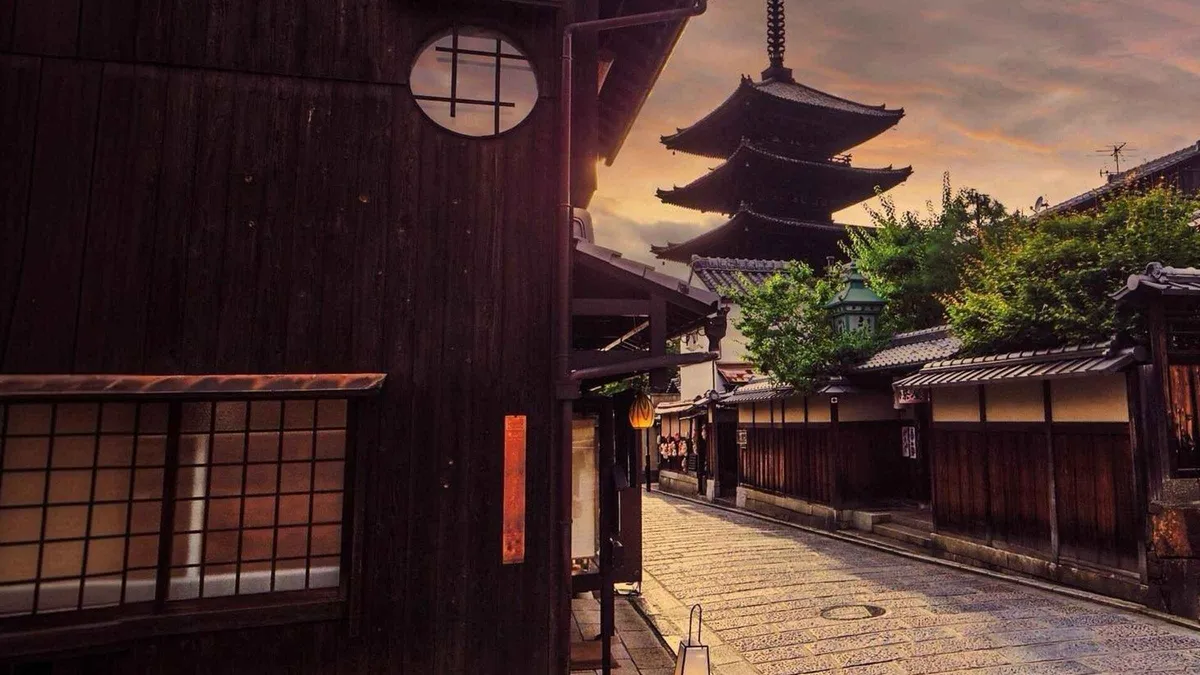
Gion's most reviewed walk, and it starts at Shirakawa rather than the crowded lane. Two hours through Hanamikoji, Yasui Kompira-gu, Hokan-ji and Nene-no-Michi with a guide who explains what the ochaya actually are.
- Immerse yourself in the enchanting atmosphere of Gion
- Stroll the real Gion streets that inspired the world's most famous geisha story
- See elegantly dressed Geisha as they make their way to appointments
- Discover hidden gems along the way at off the beaten path spots
 from $20.18
Kyoto: Gion Magical Night Walking Tour & Geisha Culture
Listing details checked 2026-08-30
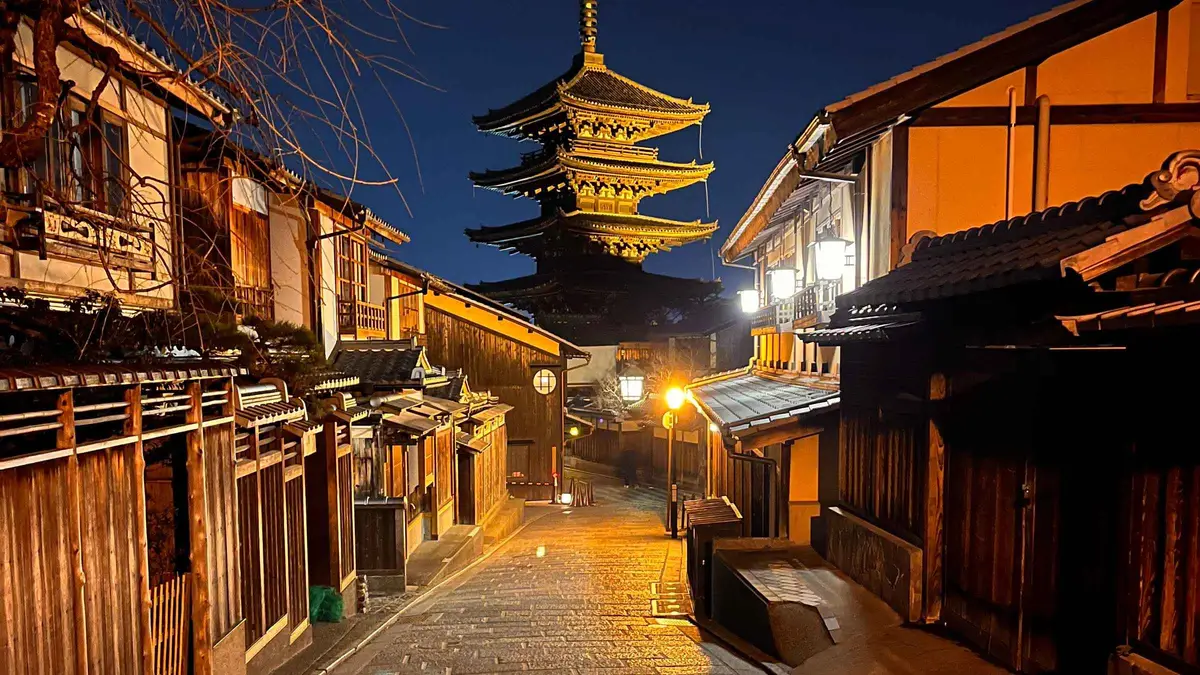
A 100-minute evening version of the Gion walk with a photography service thrown in — the point is the light on the lanes after the day groups have gone, not a guaranteed geiko sighting.
- This tour is typically conducted in a small group of up to about 10 people.
- Immerse the special atmosphere of Gion, which can only be felt at night.
- Children under 6 years old are not required to purchase tickets.
- Starting time is when the group leaves the meeting point, not the meeting time.
 from $17.49
Kyoto: Gion Geisha District Walking Tour - Stories of Geisha
Listing details checked 2026-08-30
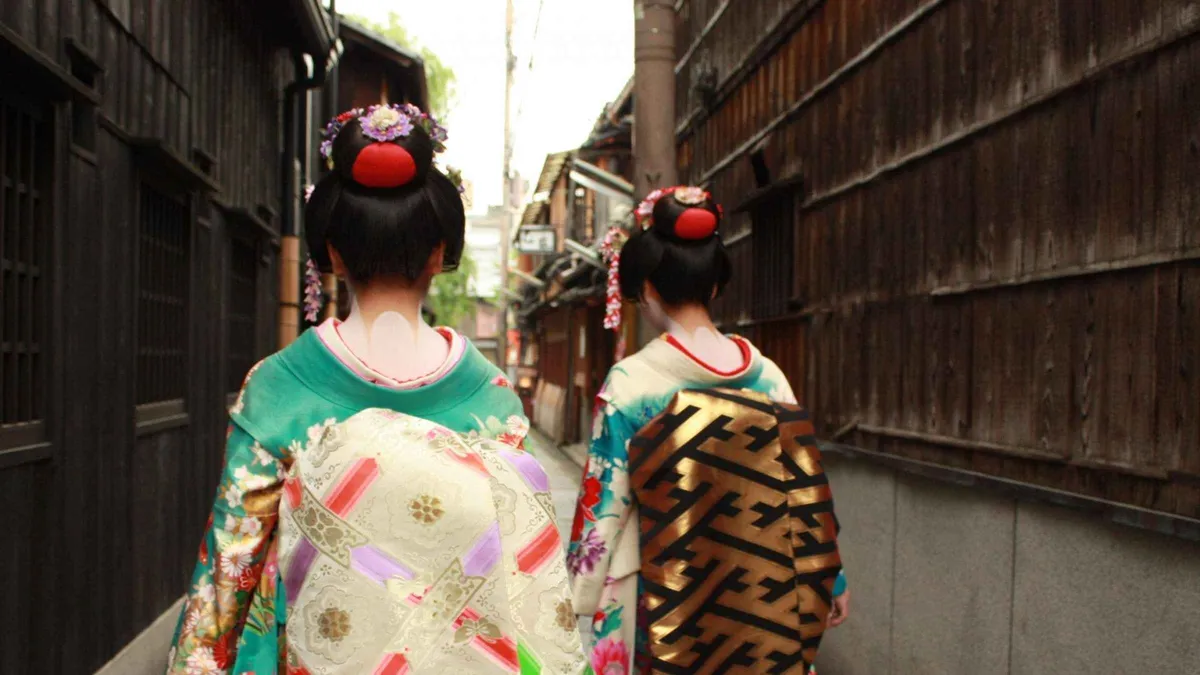
Two hours on the geisha system itself: the training, the hierarchy, the ochaya economy, walked through Gion with a local guide. The cheapest of the Gion walks.
- Get a glimpse into the world of Kyoto's geisha culture on a nighttime tour
- Explore the old geisha districts of Gion and Pontocho with a local guide
- Wander along narrow alleyways and see the districts come to life at night
- Encounter geisha and maiko en route to appointments as you explore
 from $23.49
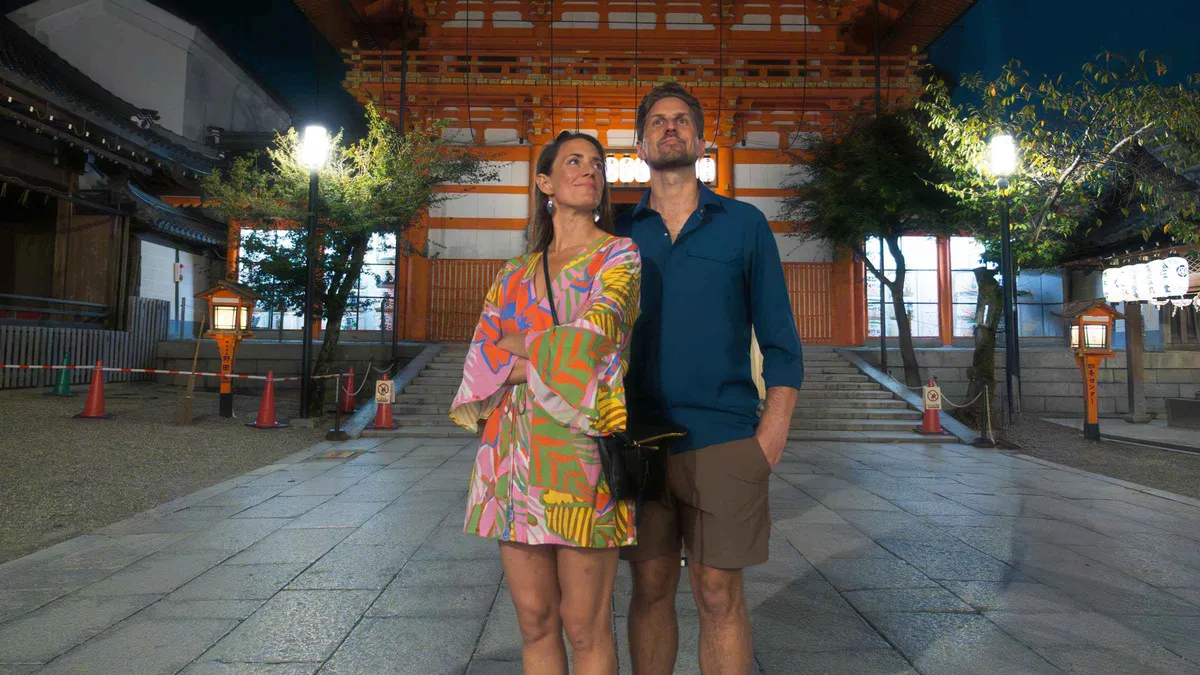
Kyoto: Gion Geisha District Night Walking Tour
Listing details checked 2026-08-30
Gion and Higashiyama after dark with a bilingual guide, ending with a digital list of the guide's own recommendations. Two hours, and it covers more ground than the Gion-only walks.
- Explore Kyoto’s historic Gion district at night
- Small-group experience limited to 8 guests
- Learn authentic insights into geiko and maiko culture
- Receive a digital Kyoto guide with local recommendations
 from $40.60
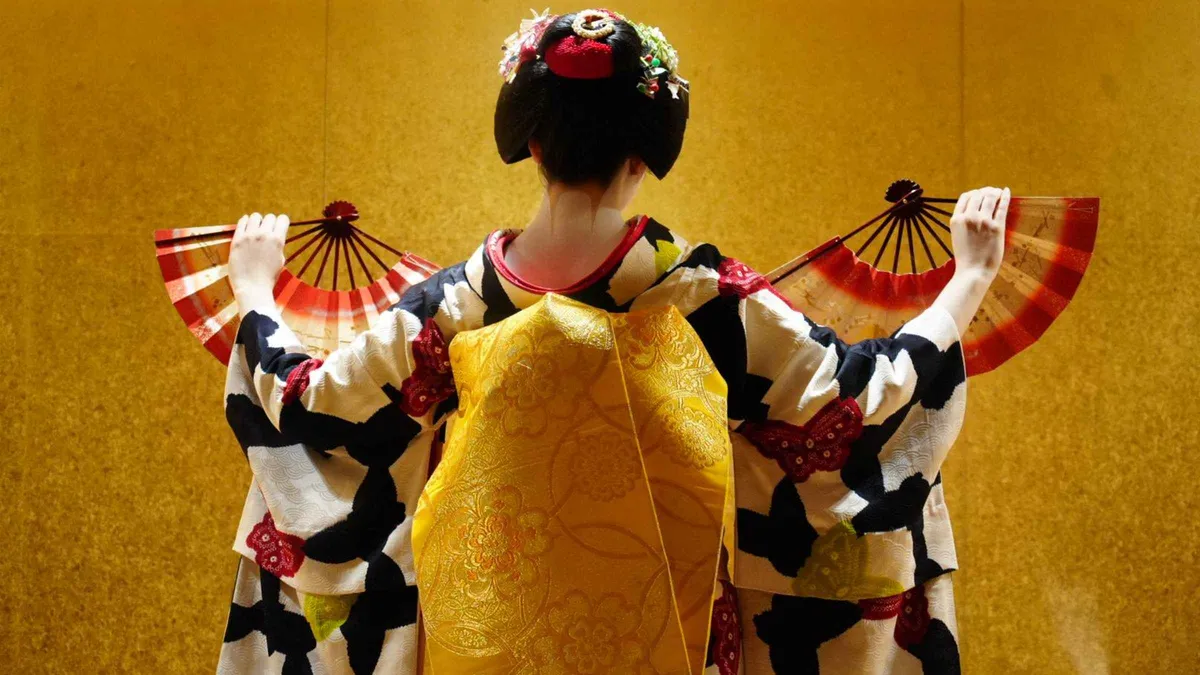
1-Hour Geisha Show (Performance, Q&A, Photos) in Kyoto
Listing details checked 2026-08-30
An hour with a working maiko — a short dance, a question-and-answer session with an interpreter, tea and sweets, then photographs. About forty maiko remain in Kyoto, so this is the realistic way to see one.
- Meet a real Maiko (Apprentice Geisha)
- Take pictures and make once-in-a-lifetime memories
- Feel free to take pictures and videos
 from $69.96
Kyoto: Gion & Pontocho Food Tour with 13 Dishes
Listing details checked 2026-08-30
Thirteen dishes across a restaurant and an izakaya in Gion and Pontocho, with two drinks and a local guide. Three hours, small group, and it solves the first evening's no-reservation problem.
- Explore Kyoto’s hidden streets and local flavors
- Enjoy up to 13 traditional Japanese dishes, ranging from tempura to sashimi
- Immerse yourself in Kyoto's rich culture, culinary history, and traditions
- Connect with fellow travelers in a small-group setting
 from $48.10
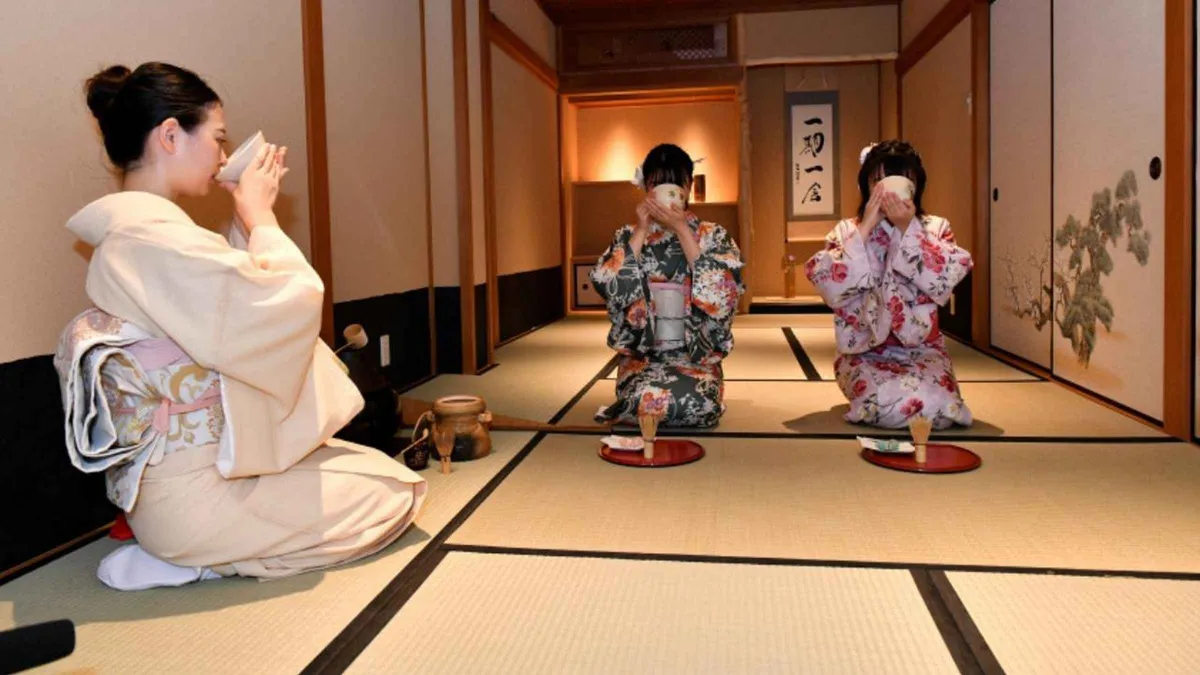
Kyoto: Kimono Tea Ceremony at Orizuruya Gion
Listing details checked 2026-08-30
Kimono, hairstyling and a small-group tea ceremony in one Gion booking — you whisk your own matcha in the elegant room rather than watching. Runs an hour and a half to two hours.
- Immerse yourself in Japanese culture without the fear of faux pas
- Experience a small-group setting (maximum 10 guests)
- Enjoy wearing a kimono—an expert helps you dress
- Leave with a new skill in matcha preparation
What is public, what is private, and what the signs say
This is the part of Gion that gets visitors into trouble, and the rules are posted rather than implied.
The Gion-machi Minamigawa district council — the residents, the ochaya association, the geiko association and Kennin-ji together — installed notice boards on the private lanes prohibiting photography and entry, using a Kyoto City subsidy scheme for reconciling tourism with residents' daily life. The wording of the district's own message is blunt: this is a place where people live and work, not a theme park.
Two penalties sit behind it, and neither is specific to photography. Obstructing a public road is an offence under national law carrying a fine of up to $312 (¥50,000); littering carries up to $187 (¥30,000) under city ordinance. What actually happens to a visitor blocking a private lane is that a resident asks them to leave.
- Hanamikoji — the wide stone-paved street south of Shijo — is public. Walk it, photograph the street, do not photograph into doorways.
- The narrow lanes off it are private property. The signs mean what they say; there is nothing at the end of them but somebody's front door.
- Never stop a maiko or geiko to photograph them, touch a sleeve or block their path. They are late for a paid appointment, always.
- Shirakawa, north of Shijo along the canal, is public, prettier, and where the guided walks start for exactly that reason.
- Yasaka Shrine and Maruyama Park at the east end are open at any hour and free.
The four streets that matter
Gion is small. Knowing which four stretches to walk turns an hour here into the best evening in the city.
Shirakawa is the one to walk first: a stone-flagged lane along a shallow canal with willows and low wooden buildings, north of Shijo and one street back from the traffic. In the twenty minutes after sunset it does everything the postcards promise, with a fraction of the crowd of the famous street.
Hanamikoji runs south from Shijo past the ochaya to Kennin-ji, and is the wide, lantern-lit stone street in every photograph of Gion. It is also where the crowd is, from about 17:00 to 20:00.
Ponto-cho, technically across the river rather than in Gion, is a single alley barely two metres wide running parallel to the Kamo, packed with restaurants at every price. It is the eating street, and the one where a table without a reservation is genuinely possible before 18:00.
Nene-no-Michi and Ishibei-koji, climbing east towards Kodai-ji, are quiet stone lanes that most visitors miss entirely, and the natural link between Gion and Kiyomizu-dera.
Kennin-ji, at the bottom of Hanamikoji
Kyoto's oldest Zen temple, founded 1202, sits at the southern end of the street: dry gardens, a twin-dragon ceiling painted in 2002 for the 800th anniversary, and a copy of the Wind and Thunder Gods screen whose original is in the national museum. It charges a modest admission at the gate and is almost empty at the hour when Hanamikoji outside is shoulder to shoulder.
When to walk Gion
The district changes character three times a day, and only one of those is worth planning around.
In the morning Gion is a delivery zone: shutters down, vans in the lanes, nothing to see. In the afternoon it is a shopping street. From about half an hour before sunset the lanterns come on, the crowd builds, and the ochaya start receiving guests — that is the district functioning, and it is the hour to be here.
Geiko and maiko move to their first engagements roughly between 17:30 and 18:30, and again late in the evening when they finish. You may see one crossing a street; you will not see one posing. Anyone in full kimono and white make-up standing still for photographs in the middle of the afternoon is a tourist who has paid for a makeover, which is a perfectly good thing to do and is not the same thing.
| Hour | What Gion is | Worth it? |
|---|---|---|
| 08:00–11:00 | Deliveries, shutters, cleaning | Only for photographing empty streets |
| 11:00–16:00 | Shops, cafés, tourists in rented kimono | Fine for Kennin-ji and Shirakawa |
| Sunset to 19:30 | Lanterns lit, ochaya receiving, the crowd at its peak | Yes — this is the district working |
| After 21:00 | Quiet again, restaurants full, geiko returning | Yes, and almost nobody about |
Getting to Gion
It is the most central of the eastern districts and the easiest to reach without a bus.
The Keihan line's Gion-Shijo station comes out on the west edge of the district, a two-minute walk from Hanamikoji, and the Hankyu line's Kyoto-Kawaramachi is five minutes further across the bridge. From Kyoto Station, city bus 100 or 206 runs to Gion in about twenty minutes in normal traffic and considerably longer in the evening rush — the train is more reliable. On foot, Gion is twenty minutes from Kiyomizu-dera through the Higashiyama lanes, which is by far the best way to arrive.
Gion map: the public streets and the stations
The four stretches worth walking, and where the trains put you down.
Next stop from Gion
Everything here is on foot. Walking times are our estimates.
Kiyomizu-dera
The temple opens at 06:00, so the walk works best in reverse: temple first, Gion at dusk.
20 minutes uphill through the stone lanesNishiki Market
390 metres of covered food arcade, and the daytime counterweight to an evening in Gion.
12 minutes west across the riverHigashiyama lanes
Nene-no-Michi, Ishibei-koji and the climb to Kodai-ji — the quiet half of this side of the city.
5 minutes eastGion questions
Can you take photos in Gion?
On the public streets, yes — Hanamikoji, Shirakawa and the shrine approaches. On the private lanes off Hanamikoji, no: the district council has posted notice boards prohibiting photography and entry, installed with Kyoto City support. Obstructing a road carries a fine of up to $312 (¥50,000) under national law. The full rules.
What time do geisha come out in Gion?
Geiko and maiko travel to their first engagements roughly between 17:30 and 18:30, and again late in the evening. They are working, not performing, and they will not stop. If meeting one is the point of your evening, book a maiko performance with tea instead of waiting in a lane.
Is Gion free to visit?
Yes. It is a district, not a site: no gate, no ticket, no opening hours. What costs money is what you do there — a guided walk from $18.74 (¥3,000), a performance at $40.60 (¥6,500), or dinner in Ponto-cho.
Is Gion worth visiting during the day?
In the morning it is a delivery zone with the shutters down. From late morning it works for Kennin-ji, the Shirakawa lane and the shops, but the district only becomes itself around sunset, when the lanterns come on and the ochaya start receiving. The hour-by-hour table sets out what you get when.
Are the women in kimono in Gion real geisha?
Almost never. About forty maiko remain in Kyoto, and they move quickly between appointments in the early evening. Anyone standing still for photographs in full costume in the afternoon has booked a kimono and makeover session — a popular thing to do, and a different thing entirely.
How do I get to Gion?
Keihan line to Gion-Shijo, two minutes from Hanamikoji, or Hankyu to Kyoto-Kawaramachi and five minutes across the bridge. City buses 100 and 206 run from Kyoto Station in about twenty minutes, longer in evening traffic. From Kiyomizu-dera it is a twenty-minute walk downhill through the lanes.
Where Gion fits in a Kyoto day
It is an evening, and it is the end of the eastern walk rather than the start of it.
The eastern chain runs downhill: Kiyomizu-dera at opening, the stone lanes, Kodai-ji, Yasaka Shrine, and Gion as the light goes. Arriving in Gion at two in the afternoon and walking uphill afterwards inverts both the light and the crowd.
That downhill order is how the one-day route is built, and it puts dinner in Ponto-cho at the end of it without a bus ride.
Page last reviewed 2026-08-30. Prices, hours and terms are set by the venue or operator and confirmed at checkout.
We may earn a commission if you book through one of our links, at no extra cost to you. Full affiliate disclosure