 Kyoto City Guide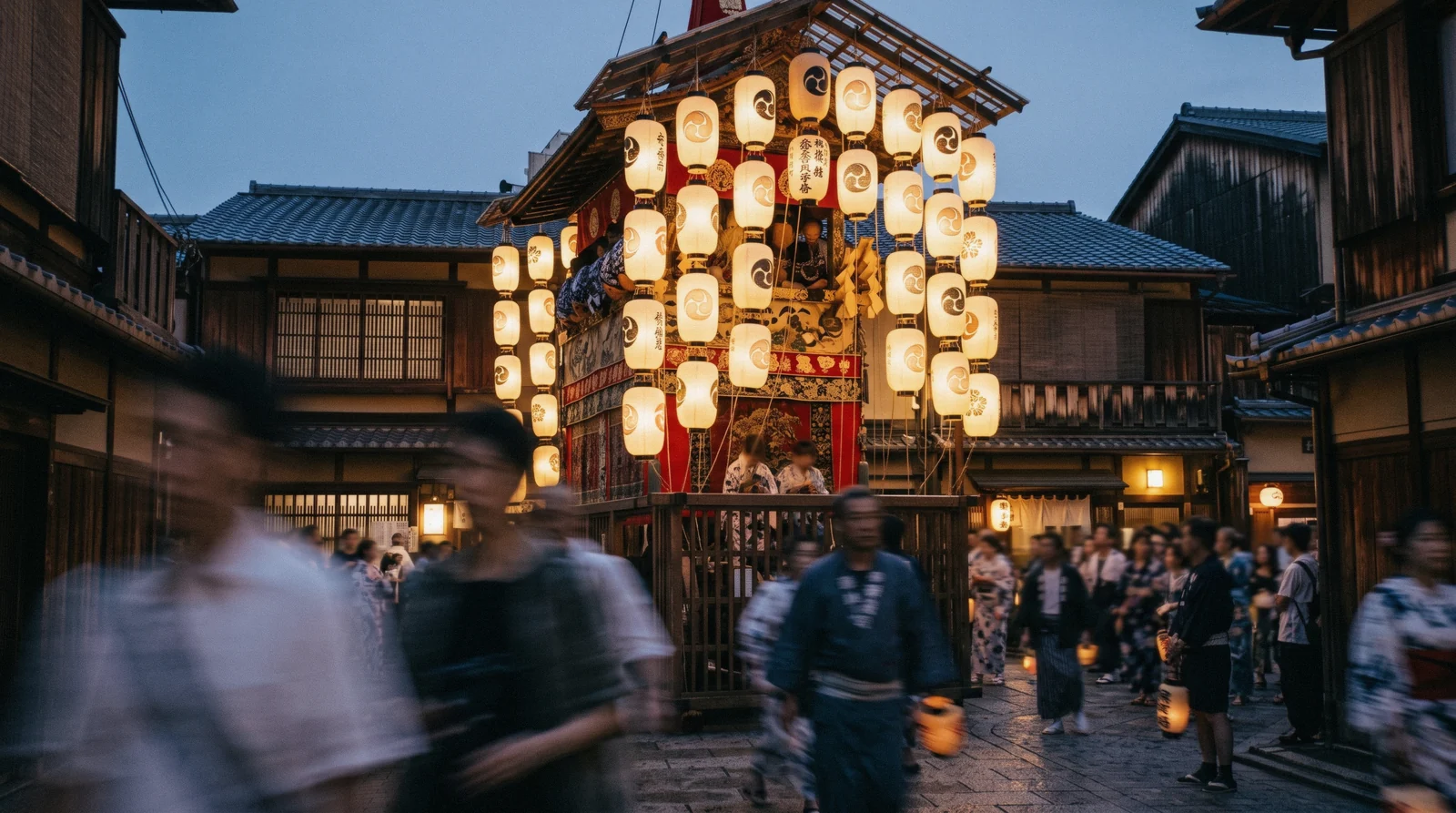
Kyoto Festivals and Events
Kyoto festivals are not decorative additions to the calendar: three of them are the reason parts of the city are laid out as they are, and two of them move hotel prices across the whole basin. This page has the dates the city itself publishes for 2026, what each event actually involves, what it does to accommodation, and the monthly markets that are worth planning a day around. The rest of the practical layer is on the plan hub, and the city on the Kyoto city guide homepage.
Quick answer The three big ones, the bonfires, the markets — in four lines
Kyoto's three great festivals are Aoi Matsuri on 15 May, Gion Matsuri through July with processions on Friday 17 and Friday 24 July 2026, and Jidai Matsuri on 22 October. The Daimonji bonfires burn on five hillsides on 16 August. All are free to watch from the street. The July and August dates roughly double central hotel prices.
Key takeaways
- The 2026 Gion Matsuri processions leave Shijo-Karasuma at 09:00 on 17 July and Karasuma-Oike at 09:30 on 24 July, with the yoiyama evenings on 14–16 and 21–23 July
- Book accommodation for July and mid-August months ahead — the costs page sets out what the peaks do to rates
- The monthly markets are the underrated part: To-ji's Kobo-ichi on the 21st and Kitano Tenmangu's Tenjin-san on the 25th, both free and enormous
- Autumn illuminations at Kodai-ji, To-ji and Eikan-do run from late October into December, with their own ticket prices
The Kyoto festival calendar
Dates from Kyoto City's own tourism pages and each venue's own site, read on 30 August 2026. Where an event moves each year we say so; where the city has published a 2026 date, it is given.
| When | Event | What happens | Effect on a visit |
|---|---|---|---|
| Mid-January, a Sunday | Toshiya, Sanjusangen-do | Archery along the 120-metre veranda; newly adult women in furisode | One of the few photogenic winter events; free |
| 3 February | Setsubun | Bean-throwing at shrines across the city, including Yasaka | Free; busy in the evening |
| Late Mar – early Apr | Cherry blossom | Not an event but behaves like one | Rates roughly double; book months out |
| 15 May | Aoi Matsuri | A Heian-costumed procession from the Imperial Palace to the Kamo shrines | Free from the street; paid seating sold |
| 1–31 July | Gion Matsuri | A month of rituals; floats built in the streets | The whole month is busy; central rates rise |
| Fri 17 July 2026, 09:00 | Saki-matsuri procession | 23 floats from Shijo-Karasuma | The peak day; streets closed, transport diverted |
| 14–16 July 2026 | Yoiyama evenings | Floats lit, streets pedestrianised, food stalls | Enormous crowds after dark |
| Fri 24 July 2026, 09:30 | Ato-matsuri procession | 11 floats from Karasuma-Oike | Quieter than the 17th and easier to watch |
| 16 August | Daimonji Gozan Okuribi | Five giant characters burned on five hillsides at 20:00 | Rooms with a view sell out; the city is full |
| 22 October | Jidai Matsuri | A procession of costumes from every era of Kyoto's history | Central streets closed; paid seating sold |
| Mid-Nov – early Dec | Autumn colour and illuminations | Evening openings at several temples | The busiest weeks of the year |
| 21st of every month | Kobo-ichi at To-ji | Over a thousand stalls of antiques, tools and food | Free; the grounds are packed from dawn |
| 25th of every month | Tenjin-san at Kitano Tenmangu | The other great flea market | Free; pairs badly with Kobo-ichi four days earlier |
Two practical readings. First, the three great festivals are processions rather than parties: they start on time, they move along a published route, and the good viewing spots are taken an hour ahead. Second, the monthly markets are the events most worth planning a day around, because they are free, enormous and attended overwhelmingly by residents.
Gion Matsuri, which is a month rather than a day
Japan's most famous festival began as a plague ritual in 869 and now fills the whole of July.
The festival belongs to Yasaka Shrine in Gion and to the merchant neighbourhoods of the centre, which build and own the floats. Its origin is an epidemic: in 869 the court sent sixty-six halberds — one for each province — to the shrine to placate the deity held responsible, and the ritual became annual.
What a visitor sees is two processions of yamahoko floats, some of them twenty-five metres tall and weighing twelve tonnes, pulled through the streets on wooden wheels and turned at corners by men laying split bamboo under them and hauling sideways. In 2026 the Saki-matsuri leaves Shijo-Karasuma at 09:00 on Friday 17 July with 23 floats, reaching Kawaramachi-Shijo about 09:35, Kawaramachi-Oike about 10:20 and Shinmachi-Oike about 11:20. The Ato-matsuri leaves Karasuma-Oike at 09:30 on Friday 24 July with 11 floats, reaching Shijo-Karasuma about 11:20.
The evenings before each — yoiyama, 14 to 16 and 21 to 23 July — are arguably better than the processions: the floats stand lit in the streets, the centre is pedestrianised, old merchant houses open their fronts to show their treasures, and the whole thing is eaten and drunk through. It is also extremely crowded and, in July, hot and humid — the month averages 29.7 °C and 245 mm of rain.
The other two great festivals, and the fires
Aoi in May, Jidai in October, and the one August night when the whole city looks up.
Aoi Matsuri, 15 May. The oldest of the three, dating in some form to the sixth century, and the most restrained: about five hundred people in Heian court costume walk from the Imperial Palace to the Shimogamo and Kamigamo shrines, with ox carts, horses and hollyhock leaves on everything. It is a slow, quiet, genuinely ancient procession, and it is much easier to watch than Gion Matsuri.
Jidai Matsuri, 22 October. The newest, invented in 1895 for the city's 1,100th anniversary, and effectively a costume history of Japan walking past you — two thousand people in dress from every era from the eighth century to the Meiji restoration, in reverse chronological order. It runs from the Imperial Palace to Heian Jingu.
Daimonji Gozan Okuribi, 16 August. Five giant characters and shapes are set alight on five hillsides around the basin at 20:00, twenty minutes apart, to send the ancestors' spirits back at the end of Obon. It is visible from riverbanks, bridges and any north-facing window, it lasts about half an hour in total, and the city is entirely full. Rooms with a view are booked a year ahead.
What to book around a festival
The festivals themselves are free; what fills up is everything else in the same week. Prices are the platform's listings in USD, read on 30 August 2026.
 from $18.74
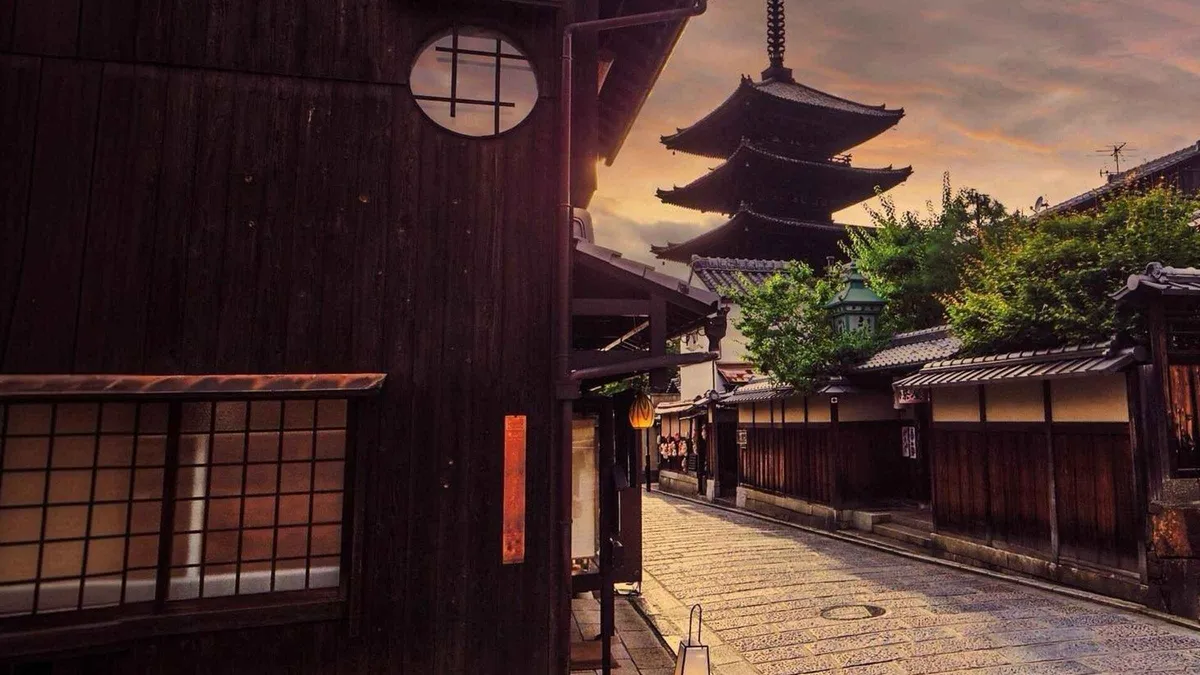
Kyoto: Gion Geisha District & Hidden Gems Walking Tour
Listing details checked 2026-08-30
Gion's most reviewed walk, and it starts at Shirakawa rather than the crowded lane. Two hours through Hanamikoji, Yasui Kompira-gu, Hokan-ji and Nene-no-Michi with a guide who explains what the ochaya actually are.
- Immerse yourself in the enchanting atmosphere of Gion
- Stroll the real Gion streets that inspired the world's most famous geisha story
- See elegantly dressed Geisha as they make their way to appointments
- Discover hidden gems along the way at off the beaten path spots
 from $40.60
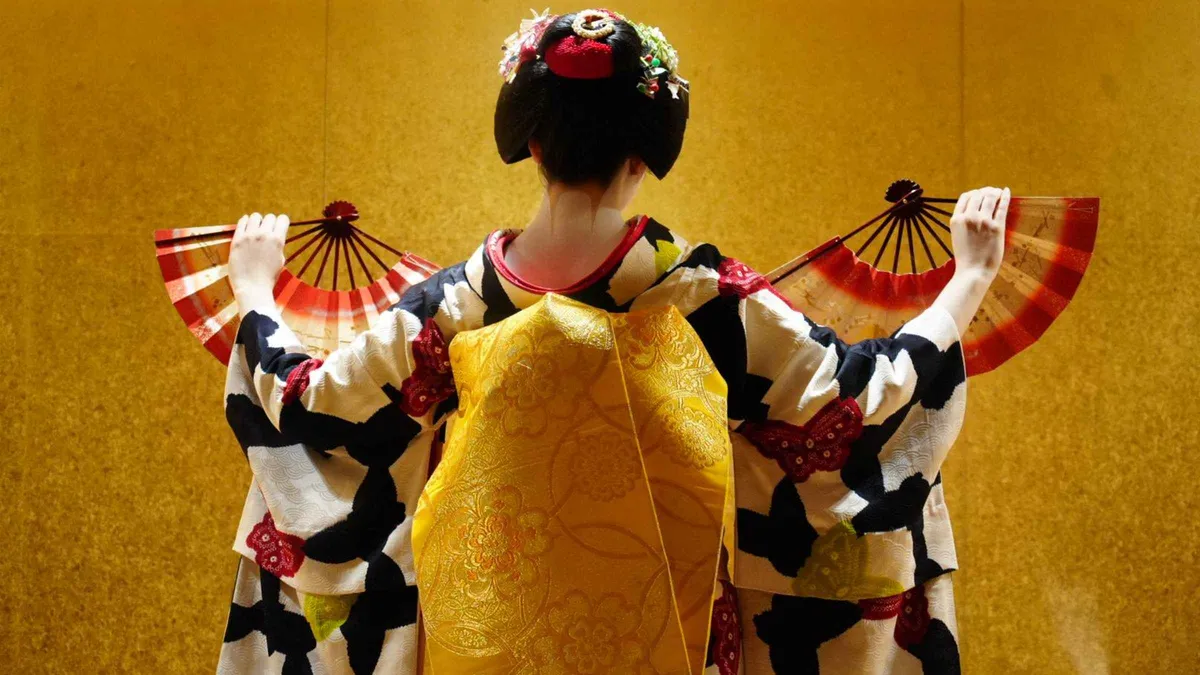
1-Hour Geisha Show (Performance, Q&A, Photos) in Kyoto
Listing details checked 2026-08-30
An hour with a working maiko — a short dance, a question-and-answer session with an interpreter, tea and sweets, then photographs. About forty maiko remain in Kyoto, so this is the realistic way to see one.
- Meet a real Maiko (Apprentice Geisha)
- Take pictures and make once-in-a-lifetime memories
- Feel free to take pictures and videos
 from $48.10
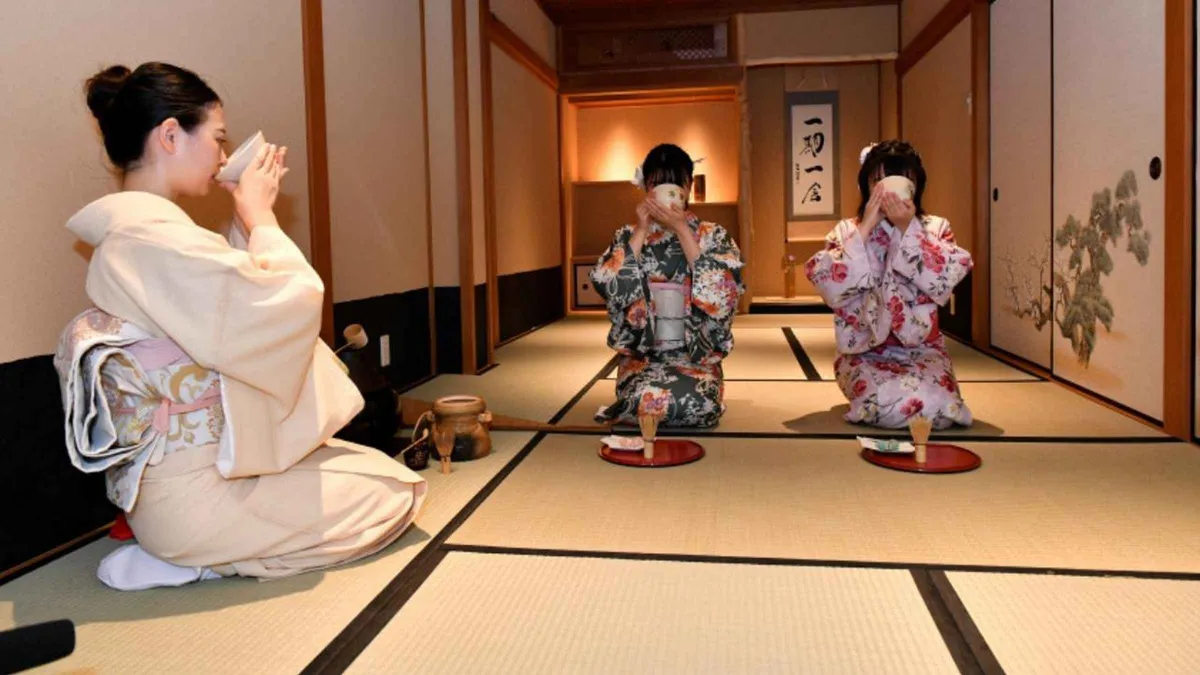
Kyoto: Kimono Tea Ceremony at Orizuruya Gion
Listing details checked 2026-08-30
Kimono, hairstyling and a small-group tea ceremony in one Gion booking — you whisk your own matcha in the elegant room rather than watching. Runs an hour and a half to two hours.
- Immerse yourself in Japanese culture without the fear of faux pas
- Experience a small-group setting (maximum 10 guests)
- Enjoy wearing a kimono—an expert helps you dress
- Leave with a new skill in matcha preparation
 from $69.96
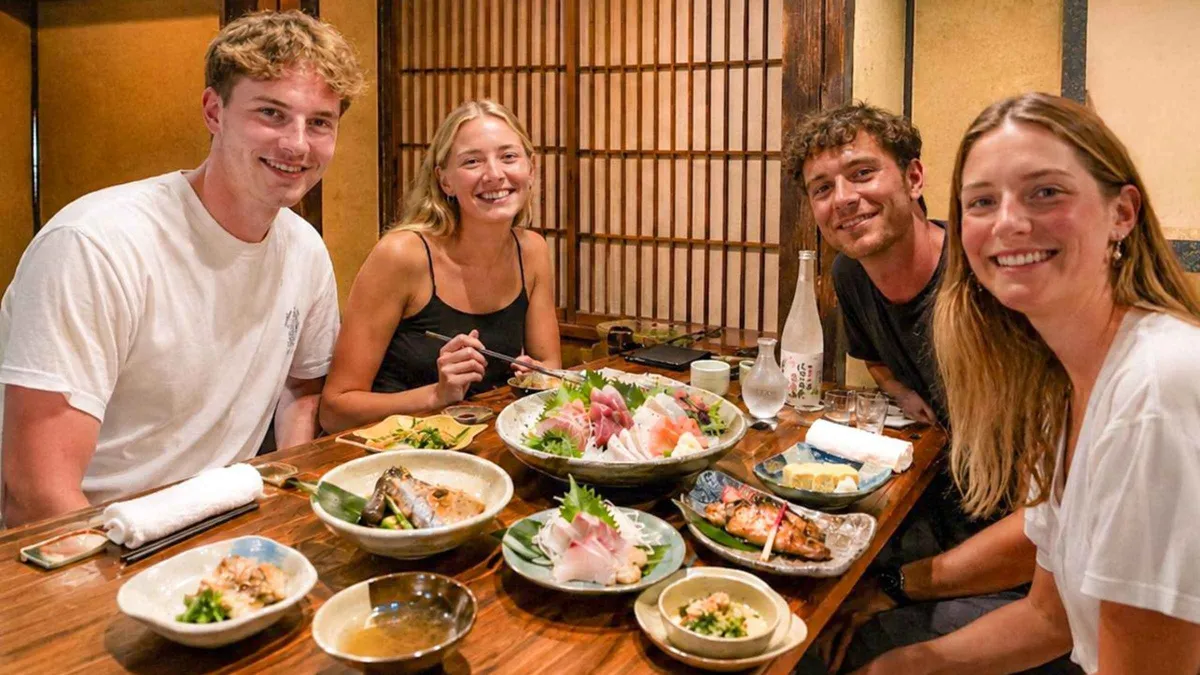
Kyoto: Gion & Pontocho Food Tour with 13 Dishes
Listing details checked 2026-08-30
Thirteen dishes across a restaurant and an izakaya in Gion and Pontocho, with two drinks and a local guide. Three hours, small group, and it solves the first evening's no-reservation problem.
- Explore Kyoto’s hidden streets and local flavors
- Enjoy up to 13 traditional Japanese dishes, ranging from tempura to sashimi
- Immerse yourself in Kyoto's rich culture, culinary history, and traditions
- Connect with fellow travelers in a small-group setting
 from $48.10
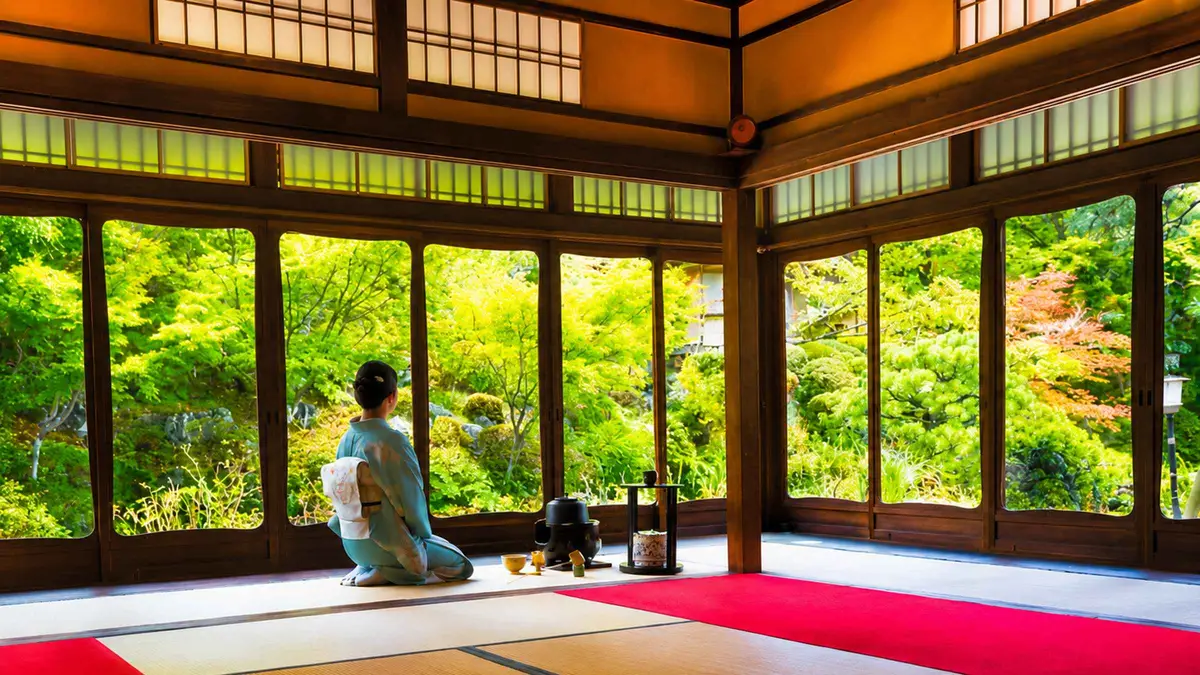
Kyoto: Tea Ceremony in a Garden Tea House near Kiyomizu-dera
Listing details checked 2026-08-30
Forty-five minutes in a garden tea house minutes from Kiyomizu-dera: two bowls of Uji matcha, one made for you and one you whisk yourself, with a wagashi. Small groups, and it books out in the blossom weeks.
- Savor Japan's changing seasons in the timeless elegance of our historic garden
- Experience an authentic Japanese tea ceremony overlooking a beautiful garden
- Immerse yourself in a tranquil Zen atmosphere and the tea master's graceful art
- Enjoy a traditional Japanese sweet and matcha prepared by our tea master
How to actually watch a procession
Four rules that apply to all three of the big ones.
- Pick a corner, not a straight. The floats are turned at junctions by hand, which takes several minutes and is the only genuinely dramatic part of the route.
- Arrive an hour early, or buy the paid grandstand seating the city sells for the July and October processions.
- Check the transport diversions. Subway is unaffected; buses on the route are not, and the centre is closed to traffic on procession mornings.
- Go to yoiyama instead, if crowds are a problem in daylight. The evenings before Gion Matsuri's processions have the floats lit and standing still, which is easier than watching them move.
Where to go next
Three pages that decide whether a festival fits your dates.
Best time to visit Kyoto
Month by month on a 30-year climate record, with the crowd calendar beside it.
DatesWhat Kyoto costs
What the peaks do to room rates, and the accommodation tax that changes on 1 March 2026.
The budgetWhere to stay in Kyoto
Four districts compared — and in festival weeks, the district matters less than booking early.
The roomKyoto festivals: the questions
When is the July festival in 2026?
The festival runs through the whole of July. The two processions fall on Friday 17 July at 09:00 from Shijo-Karasuma and Friday 24 July at 09:30 from Karasuma-Oike, with the yoiyama evenings on 14–16 and 21–23 July. Dates from Kyoto City's own event pages, read on 30 August 2026.
What are the three great festivals of Kyoto?
Aoi Matsuri on 15 May, Gion Matsuri through July, and Jidai Matsuri on 22 October. Aoi is the oldest and quietest, Gion the largest and most famous, and Jidai the newest — a costume history of Japan invented in 1895 for the city's 1,100th anniversary.
Do you need tickets for Kyoto festivals?
No — all of them are free to watch from the street. The city sells paid grandstand seating along the route for the July and October processions, which is worth it if standing for two hours is not appealing, and nothing else requires a ticket.
What is Daimonji in Kyoto?
The Gozan Okuribi: five giant characters and shapes set alight on five hillsides around the city at 20:00 on 16 August, twenty minutes apart, sending the ancestors' spirits back at the end of Obon. It lasts about half an hour, is visible from the riverbanks, and fills the city entirely.
Is it worth visiting Kyoto during a festival?
Yes for the event and no for everything else: the processions are extraordinary, and the same week doubles hotel rates, fills the restaurants and puts the temples under pressure. If your dates are fixed and they fall in July, embrace it; if you are choosing, know what you are choosing.
What are the monthly markets in Kyoto?
Kobo-ichi fills To-ji's grounds on the 21st of every month with over a thousand stalls of antiques, tools, kimono and food, and Tenjin-san does the same at Kitano Tenmangu on the 25th. Both are free, enormous and attended mostly by residents — the best value events in the city.
Page last reviewed 2026-08-30. Prices, hours and terms are set by the venue or operator and confirmed at checkout.
We may earn a commission if you book through one of our links, at no extra cost to you. Full affiliate disclosure