 Kyoto City Guide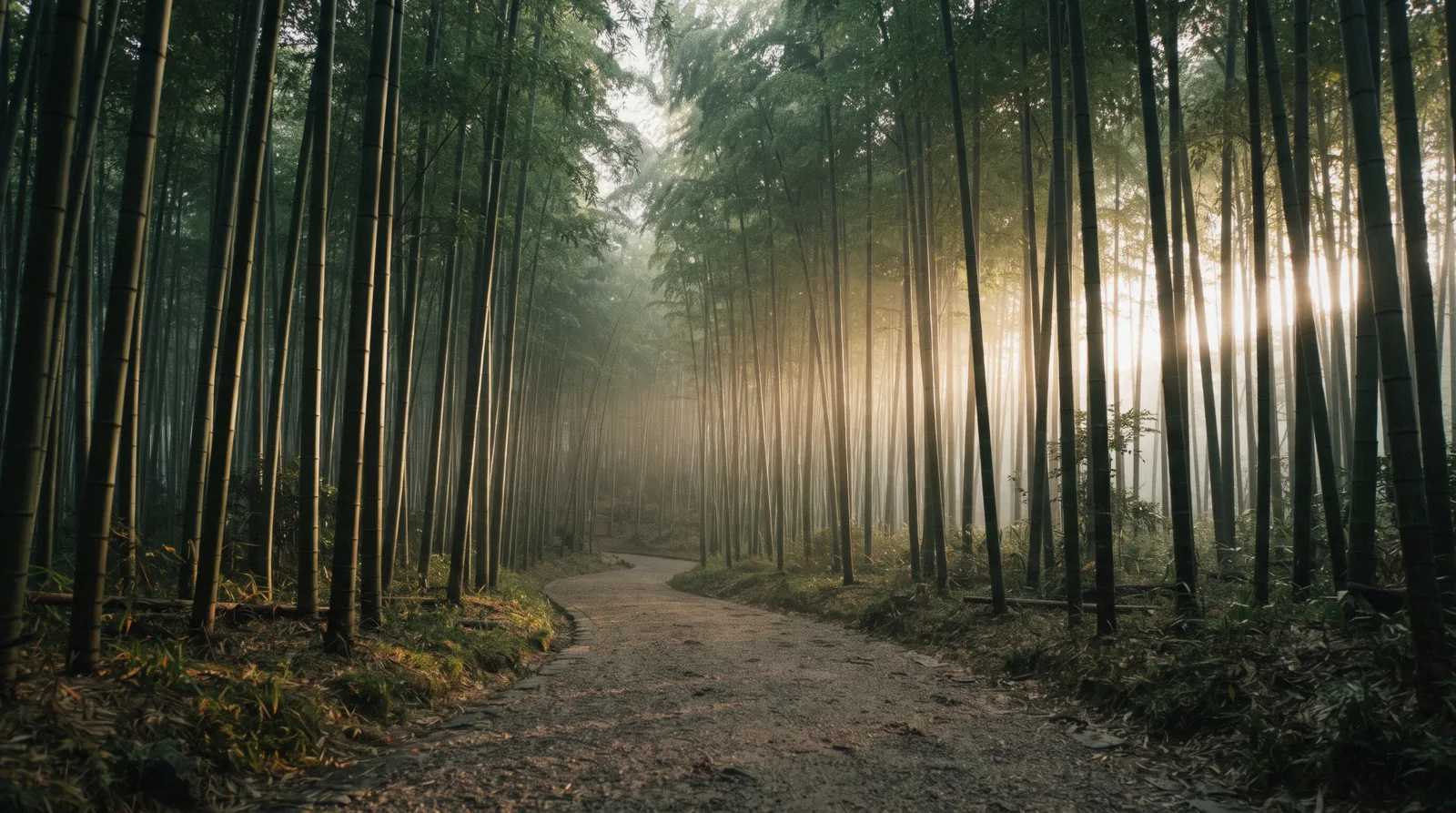
Kyoto in 2 Days
Kyoto in 2 days is the plan most visitors actually have, and it works cleanly because the city divides into two halves that each fill a day: the eastern hillside, walked downhill from a temple that opens at six, and the western edge, where the bamboo path is a different place before eight. The mistake this itinerary exists to prevent is mixing them — east and west are about fifty minutes apart by bus in the traffic of the hour everybody travels. One day and three are the other versions; the city as a whole is on the Kyoto city guide homepage.
Quick answer Day one east, day two west — in four lines
Day one is the eastern chain: Kiyomizu-dera at 06:30, the Higashiyama lanes, Sanjusangen-do, Nishiki Market, Gion at dusk and Fushimi Inari at golden hour. Day two is the west and the north: the Arashiyama bamboo at 07:30, Tenryu-ji at opening, the river, then Kinkaku-ji and Ryoan-ji in the afternoon. About $30 (¥4,800) in admissions and fares in total.
Key takeaways
- Do not mix the halves. Crossing between Higashiyama and Arashiyama mid-morning costs about fifty minutes each way
- Day two is the day the $6.88 (¥1,100) Subway & Bus pass pays for itself; day one is a walking day where it does not
- The two early starts are the plan — 06:30 at Kiyomizu-dera and 07:30 in the bamboo — and everything else can slip
- If it rains on day two, swap it for Nijo Castle and the museums: the west is an outdoor day
How the two days are built
One rule: each day stays on its own side of the city.
Kyoto's sights cluster in three places — the eastern hillside, the western river valley, and the north-west temples — and the buses between them run through the middle of a city that grinds to a halt in the blossom and autumn weeks. A two-day plan that respects the clusters sees about eleven things properly; a two-day plan that follows a top-ten list sees seven of them and spends three hours on transport.
So: day one east, on foot, downhill, from a 06:00 temple to a shrine that never closes. Day two west and north, using the JR line out and a single bus back, with the north-west pavilions folded into the afternoon.
The honest cost of this shape is that day two is busier and involves more transport than day one. That is unavoidable — the western sights are simply further apart.
Day one: the eastern chain, downhill from six-thirty
About nine kilometres on foot with two short train rides. Hours and admissions are the venues' own, read on 30 August 2026; walking times are ours.
-
Kiyomizu-dera
Not published by the templeThe only major sight in Japan that opens at 06:00. An hour here at half past six buys the stage without a crowd and the Otowa waterfall without a queue.
Leave by the Koyasu pagoda path for the view back at the stage, which almost nobody walks.
walk about 5 min to next
-
Sannenzaka, Ninenzaka and Ishibei-koji
FreePreserved stone lanes with the shutters down. The same streets at eleven o'clock are a shuffling queue, which is the entire argument for the early start.
Ishibei-koji, off Nene-no-Michi, takes four minutes and is usually empty.
walk about 12 min to next
-
Kodai-ji and Yasaka Shrine
$5 (¥800) for Kodai-ji; the shrine is freeKodai-ji's gardens and bamboo grove are the quiet counterpart to the temple above, and the shrine at the bottom of the hill is open at every hour.
Breakfast around here, or hold out for the market.
walk about 15 min to next
-
Sanjusangen-do
$3.75 (¥600)1,001 gilded Kannon in a 120-metre hall. Shoes off, no photographs, one direction, forty minutes — the most predictable stop in Kyoto.
The Kyoto National Museum is directly opposite if the weather has turned.
walk about 10 to Shichijo min to next
-
Nishiki Market
Free to walk; tastings $1–6 (¥150–1,000)Lunch. Pickles, yuba, tamagoyaki, a skewer — eaten at the shop rather than on the move, which is the market's own request.
The depachika halls under the Shijo department stores are the air-conditioned alternative.
walk about 12 min to next
-
Gion
FreeShirakawa's canal lane first, then Hanamikoji. The private lanes are posted closed by the residents' council; the public streets are the ones to walk.
Kennin-ji at the bottom of the street is Kyoto's oldest Zen temple and almost empty at this hour.
walk about 8 min to next
-
Fushimi Inari
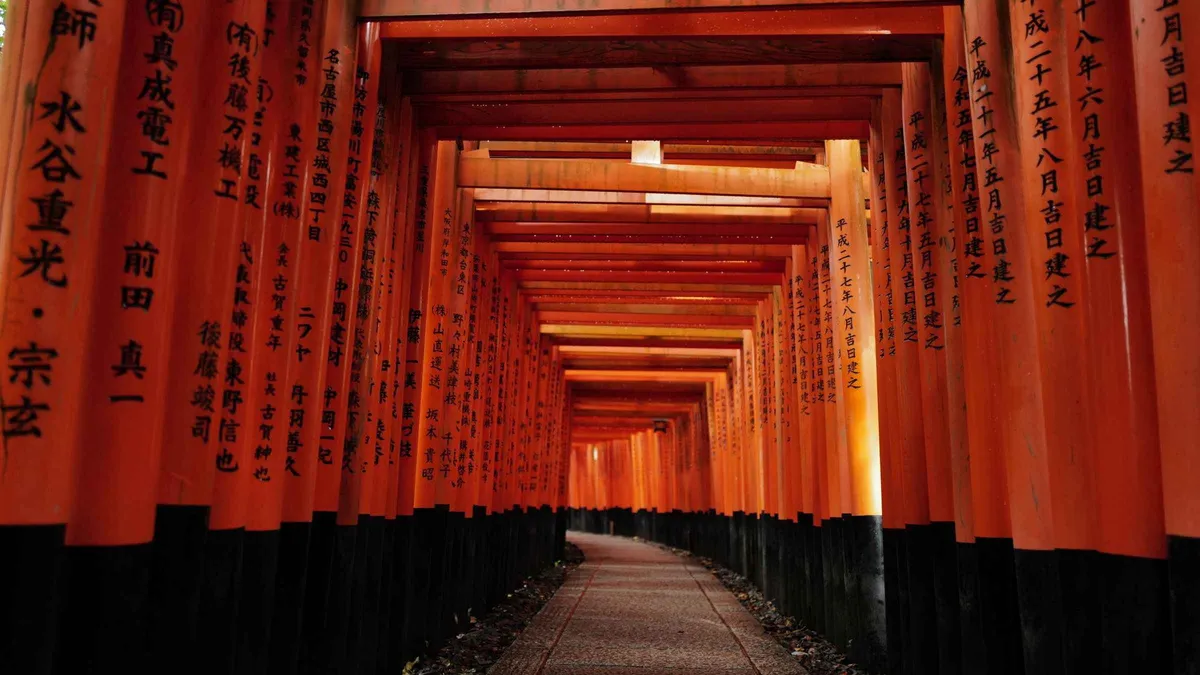
FreeKeihan from Gion-Shijo, about seven minutes. The crowd thins from five, and fifteen minutes up the mountain there is nobody at all.
Yotsutsuji is forty minutes up and the only real view; the shrine has no closing time, so the light decides your turnaround.
Day two: the bamboo at half past seven, then the pavilions
The western and north-western clusters in one day, using the JR line out and buses back. This is the day the transport pass pays for itself.
-
The Arashiyama bamboo path
FreeJR Sagano line from Kyoto Station, fifteen minutes, then thirteen on foot. At half past seven the path is what the photographs claim; at ten it is a single-file queue.
Walk to the north end and Okochi Sanso, then double back.
walk about 5 min to next
-
Tenryu-ji
$3.13 (¥500) garden, $5 (¥800) with the hallsOpens at 08:30, exactly when the grove starts filling. The pond garden has kept the form its designer gave it in the 1340s, with the hills borrowed as a back wall.
Enter from the north gate side and leave by the front — or the reverse, if you want to end back in the bamboo.
walk about 10 min to next
-
Togetsukyo bridge and the river
Free; the monkey park and the boat are extraThe bridge, the riverbank and — if you have the appetite for a twenty-minute climb — the macaques on Iwatayama, whose own website has been offline since at least 30 August 2026, so we quote no price for it.
Coffee on the north bank, then back to the station.
walk about 20 to the station min to next
-
Lunch, and the ride across
$7.50 (¥1,200)Either eat in Arashiyama — the tofu and yuba restaurants near the bridge are genuinely good — or take the JR back and eat downtown.
Then bus 11 or the train and a change for the north-west. This is the transfer the day pass exists for.
walk — min to next
-
Kinkaku-ji
$3.13 (¥500)The Golden Pavilion is a fixed one-way circuit of about twenty-five minutes; you never go inside, and the reflection is best in flat light.
Afternoon is not its best hour — that is 09:00 — but on a two-day plan the morning belongs to the bamboo.
walk about 15 by bus min to next
-
Ryoan-ji
$3.75 (¥600)Fifteen rocks in raked gravel that nobody can date or explain. Twenty minutes to look, an hour to sit — and the veranda has room at the back once the tour groups pass through.
The Kyoyochi pond below the temple is older than the rock garden and almost always empty.
walk about 25 by bus min to next
-
Nijo Castle, or an early dinner
$8.13 (¥1,300) with NinomaruThe castle stops selling tickets at 16:00, so this only works if you cut the north-west short — which is a legitimate choice on a wet day, because Ninomaru is the one properly indoor hour available.
Otherwise, bus back downtown and eat in Pontocho, or take the subway from Kitaoji.
What two days cost
Every figure from the venues' own pages, read on 30 August 2026 and converted at ¥160 = $1. Food is the variable.
| Item | Day | Cost |
|---|---|---|
| Kiyomizu-dera | 1 | Not published |
| Kodai-ji | 1 | $5 (¥800) |
| Sanjusangen-do | 1 | $3.75 (¥600) |
| Trains and buses, day one | 1 | About $5 (¥800) |
| Tenryu-ji garden and halls | 2 | $5 (¥800) |
| Kinkaku-ji | 2 | $3.13 (¥500) |
| Ryoan-ji | 2 | $3.75 (¥600) |
| JR to Arashiyama plus a day pass | 2 | About $8.50 (¥1,360) |
| Two-day sightseeing total | — | About $34 (¥5,400) |
| Two lunches and two dinners | — | $50–90 (¥8,000–14,400) |
The day pass is worth buying on day two and not on day one — the difference is four bus rides against a walk. The break-even arithmetic.
Three ways to vary the second day
The eastern day is fixed by opening hours; the western one has genuine alternatives.
Rain. Swap the west entirely: Nijo Castle at 08:45, the Kyoto National Museum, Sanjusangen-do if you skipped it, and an indoor experience such as a cooking class or a tea ceremony. The gardens are actually at their best in rain, but the bamboo path in a downpour is a wet corridor.
A day trip instead. Nara is 35 minutes and holds Todai-ji's Great Buddha, a deer park and eight UNESCO sites; Uji is 20 minutes and is matcha, the Byodo-in phoenix hall and a river. Either replaces day two entirely and is a fair trade if you have seen bamboo before.
Slow down. Keep Arashiyama for the whole morning, add the Hozugawa river boat at $37.50 (¥6,000) for two hours down the gorge, and spend the afternoon on the Philosopher's Path instead of the pavilions. Fewer sights, better day.
The guided versions
Prices are the platform's listings in USD, read on 30 August 2026; the operator charges in your own currency at checkout.
 from $63.75
Kyoto: Early Morning Tour of Fushimi Inari, Arashiyama and Kinkakuji
Listing details checked 2026-08-30
Starts before the crowds: Fushimi Inari, Arashiyama's bamboo and Kinkaku-ji in six hours with an English-speaking guide and lunch. The early slot is the whole point — these three are unrecognisable after 10:00.
- Marvel at the best of Kyoto's famous, most-visited sights on this guided tour
- Immerse yourself in all the city has to offer before the crowds get there
- Make the most of your time with an early start and be finished by lunch
- Pause for a moment of contemplation and reflection at the Fushimi-Inari Shrine
 from $39.35
Kyoto: Arashiyama Bamboo, Matcha, Monkeys & Temple Tour
Listing details checked 2026-08-30
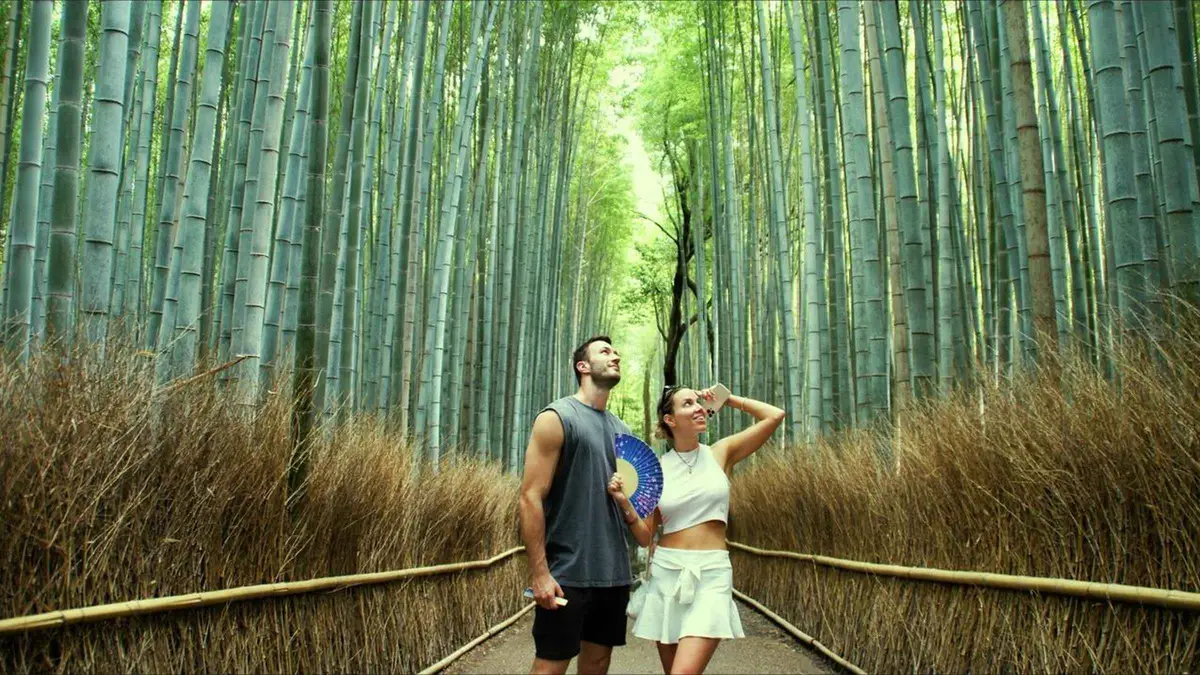
The four-hour Arashiyama circuit: bamboo, a temple, a matcha tasting and the monkeys. Shorter and cheaper than the full-day versions, and it still starts early enough to matter.
- Visit the UNESCO-listed Tenryu-ji Temple
- Walk through the famous Arashiyama Bamboo Grove
- Explore the local shops and find one of a kind souvenirs to take back home
- Enjoy a fresh matcha drink
 from $94.95
Kyoto: Fushimi Inari, Kinkakuji, Bamboo Grove 1-Day Bus Tour
Listing details checked 2026-08-30
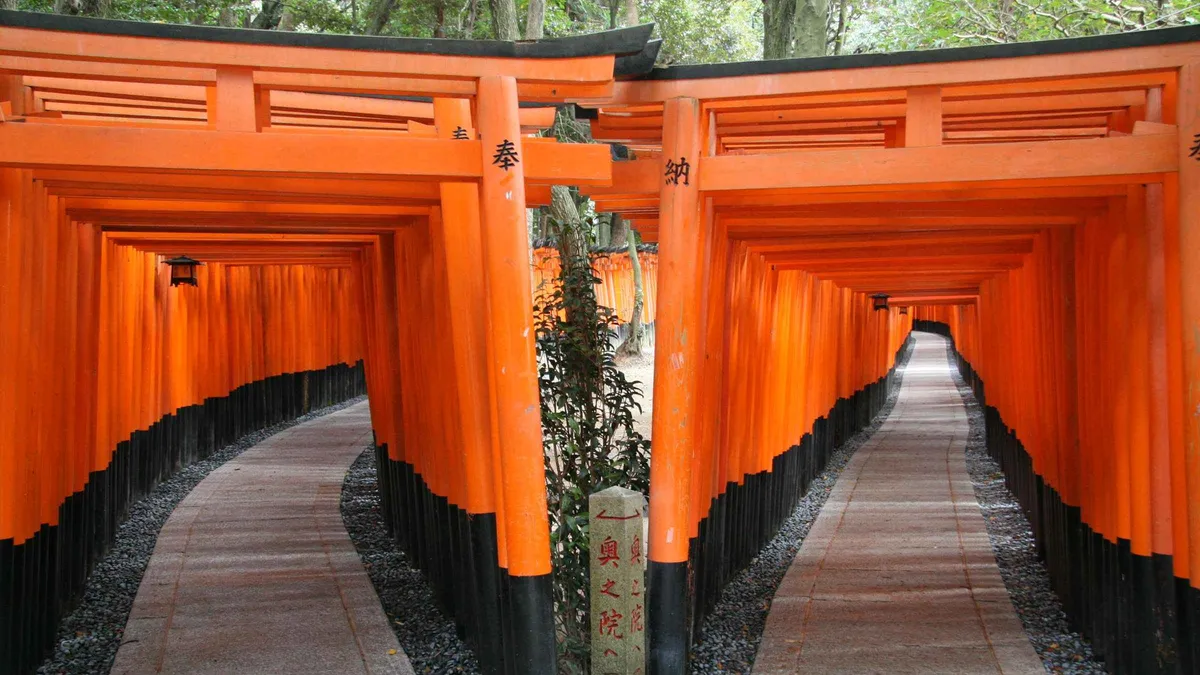
The all-in coach day: Kiyomizu-dera, Sanjusangen-do, Tenryu-ji, the bamboo grove, Kinkaku-ji and Fushimi Inari with entry tickets and a Japanese buffet in one 8.5-hour run. The most reviewed Kyoto tour on the platform.
- Visit Fushimi Inari Taisha and walk through its iconic thousand torii gates
- Stroll through Arashiyama’s famous bamboo forest and enjoy its peaceful scenery
- Discover Kiyomizu-dera and the Golden Pavilion, in one unforgettable journey
- Benefit from a professional English-speaking local guide
 from $62.47
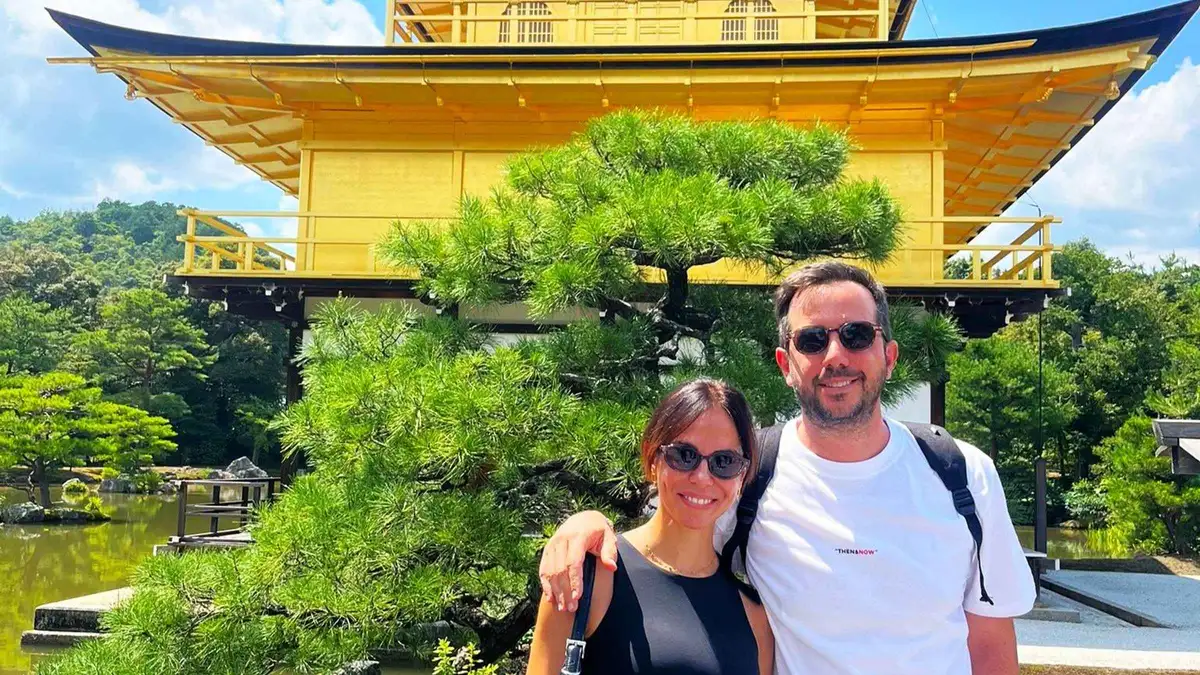
Kyoto: Kinkakuji, Golden Pavilion Guided Tour
Listing details checked 2026-08-30
A guided circuit of the Golden Pavilion with the ¥500 admission included and the history that the site's own signage leaves out. Ninety minutes to three and a half hours, depending on the option.
- Check out Kinkaku-ji's best spots in just 1.5 hours
- See the Golden Pavilion, a super cool UNESCO World Heritage site
- Walk around the awesome gardens and chill by the pond
- Snap amazing photos of the temple's reflection in the water
 from $18.74
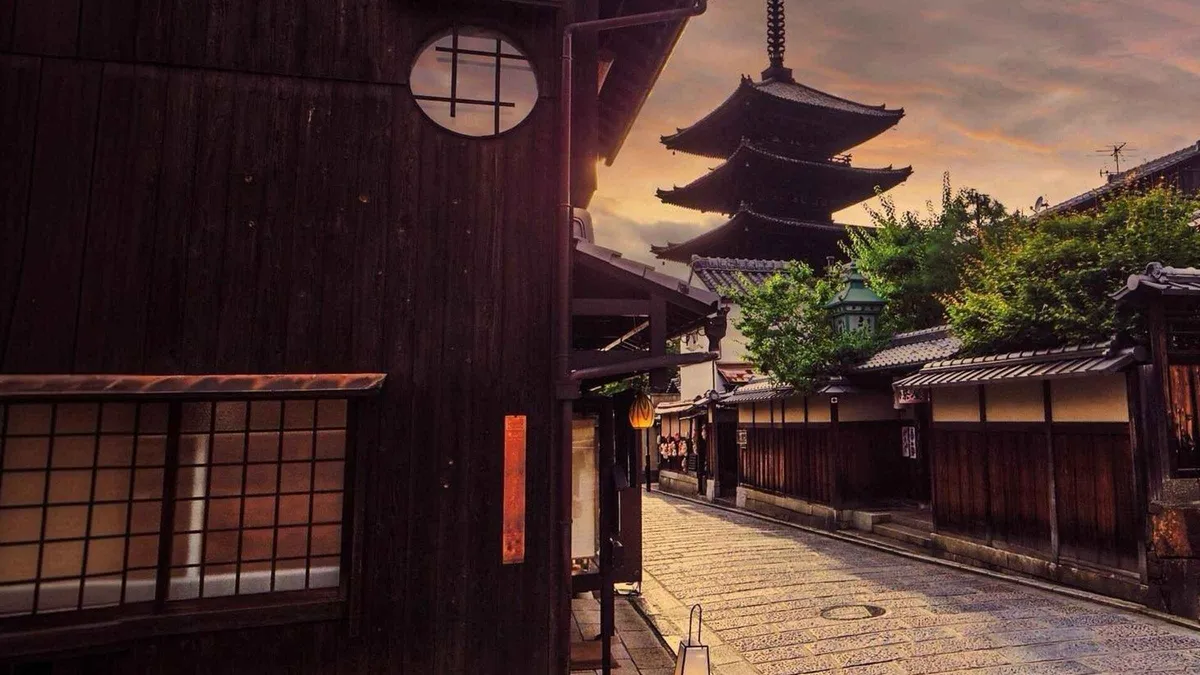
Kyoto: Gion Geisha District & Hidden Gems Walking Tour
Listing details checked 2026-08-30
Gion's most reviewed walk, and it starts at Shirakawa rather than the crowded lane. Two hours through Hanamikoji, Yasui Kompira-gu, Hokan-ji and Nene-no-Michi with a guide who explains what the ochaya actually are.
- Immerse yourself in the enchanting atmosphere of Gion
- Stroll the real Gion streets that inspired the world's most famous geisha story
- See elegantly dressed Geisha as they make their way to appointments
- Discover hidden gems along the way at off the beaten path spots
 from $28.11
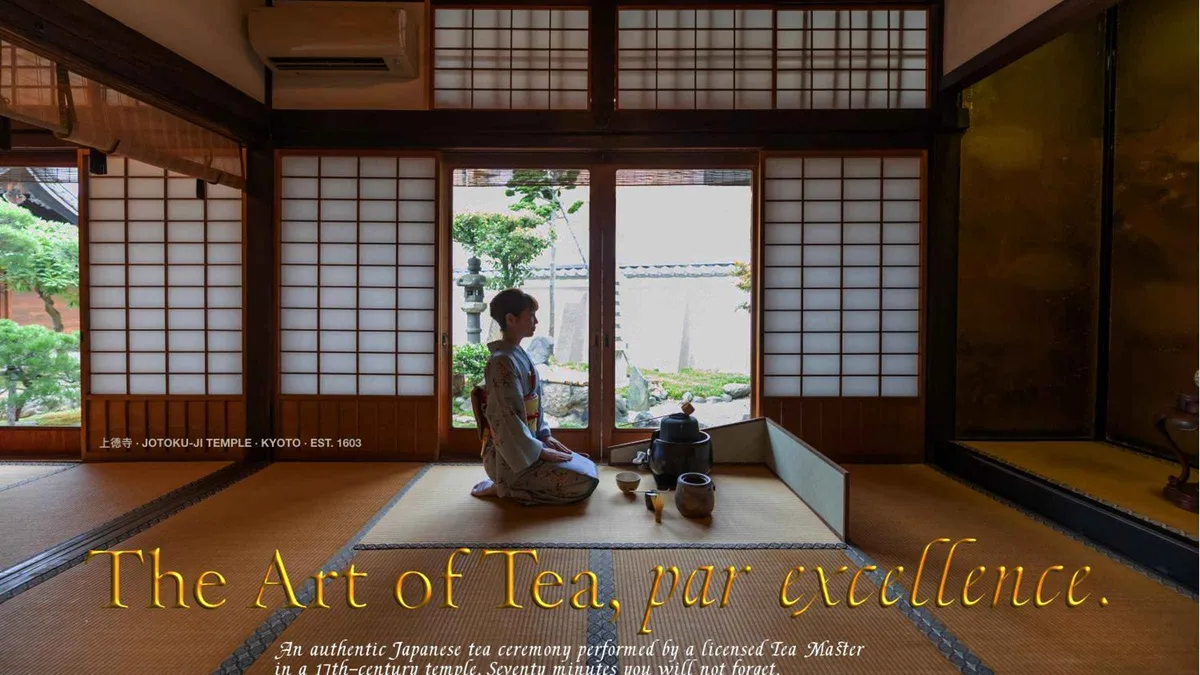
Kyoto: Tea Ceremony Ju-An at Jotokuji Temple
Listing details checked 2026-08-30
Seventy minutes of the real chanoyu ritual inside Jotokuji Temple, with the meaning of each movement explained. The most-reviewed tea ceremony in the city and among the cheapest.
- Take part in a traditional Japanese tea drinking ceremony
- Marvel at the architecture of the Jotokuji Temple
- Get the chance to experience this ancient ceremony
The two days, mapped
Day one on the eastern hillside, day two on the western river and the north-west ridge.
The other versions
Shorter, longer, and what to do with an extra day.
Kyoto in one day
The eastern chain only, timed around a 06:00 opening and a sunset shrine.
The short versionKyoto in three days
Both of these days plus a day trip, with the north-west given its own morning.
The full versionDay trips from Kyoto
Nara, Uji and the coast, ranked by how long they really take.
The alternative day twoTwo days in Kyoto: the questions
Is two days enough for Kyoto?
Two days covers both sides of the city properly — the eastern lanes on one and the western river with the northern pavilions on the other — but leaves no room for a day trip or for slowing down. It is the plan most visitors have, and it works if you keep each day on its own side.
What should you do on the second day in Kyoto?
The west: the bamboo path at 07:30, Tenryu-ji at its 08:30 opening, the river and the bridge, then Kinkaku-ji and Ryoan-ji in the afternoon. If it rains, swap the whole day for the castle and the museums.
Should you buy a transport pass for two days in Kyoto?
For the second day, yes — four bus rides and a transfer put it well past the $6.88 (¥1,100) break-even. For the first day, no: it is a walking day with two Keihan hops the pass does not cover anyway. The arithmetic.
Can you do a day trip on a two-day Kyoto visit?
Only by replacing day two. Nara at 35 minutes or Uji at 20 are both worth it, and both cost you the western half of the city. On a two-day trip we would keep the city and save the day trip for a third day.
How much walking is in this two-day plan?
About nine kilometres on day one and seven on day two, most of it flat or downhill, plus the twenty-minute climb to the monkey park if you take it. Day two has more transport and less walking than day one.
Page last reviewed 2026-08-30. Prices, hours and terms are set by the venue or operator and confirmed at checkout.
We may earn a commission if you book through one of our links, at no extra cost to you. Full affiliate disclosure