 Kyoto City Guide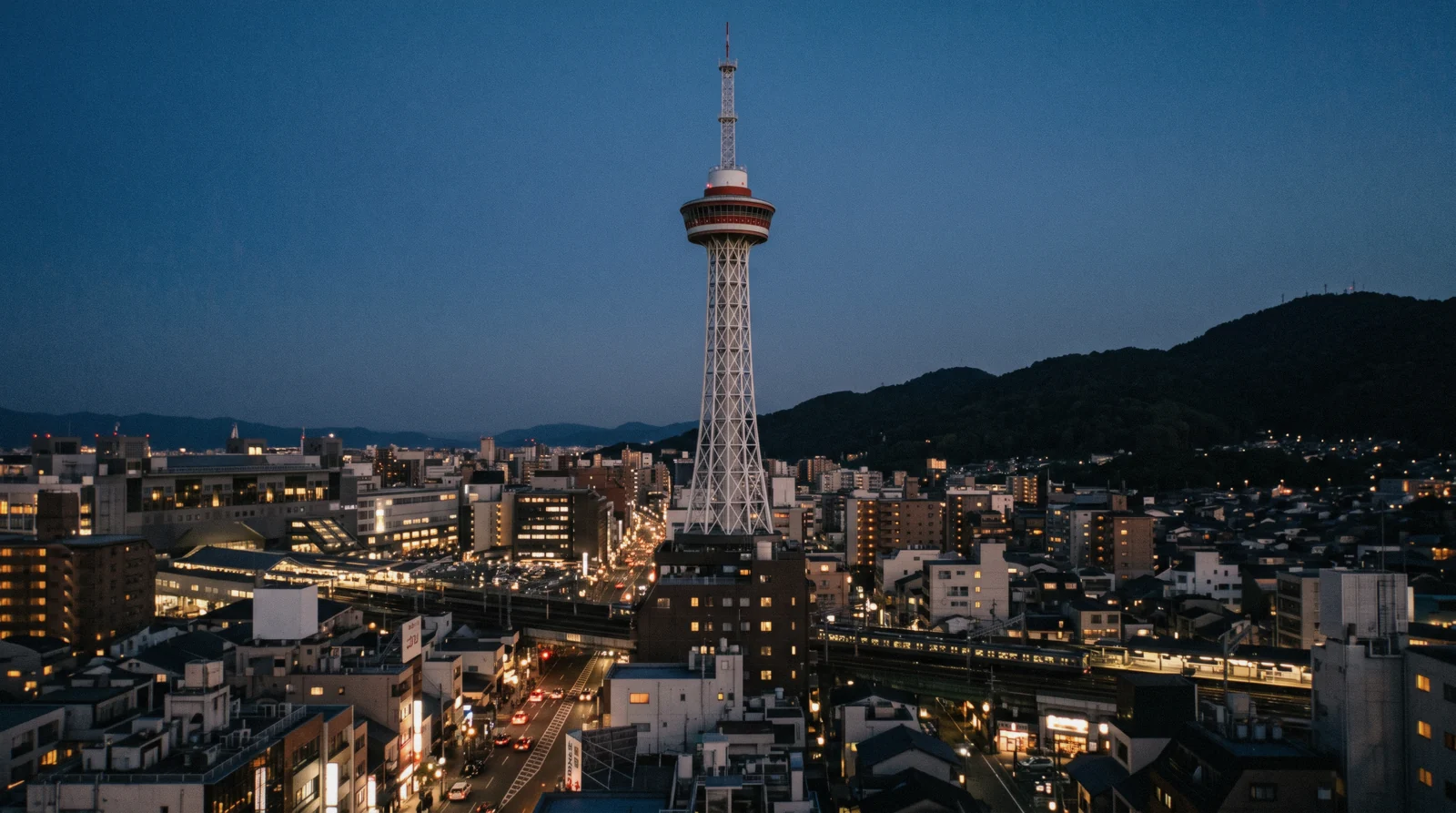
Kyoto Tower
Kyoto Tower is the white column opposite the station, built in 1964 over the objections of everyone who thought a modern city needed to look like an old one, and it remains the only place in the basin from which you can see the whole shape of Kyoto at once — the grid, the three ranges of hills that box it in, and the temples sitting where the flat land runs out. It costs less than most temples, opens until nine at night, and raises its price on 1 October 2026. The rest of the city is on the Kyoto city guide homepage.
Quick answer The price rise, the hours, and whether to bother — in four lines
Kyoto Tower's observation deck costs $5.63 (¥900) for adults, rising to $6.25 (¥1,000) on 1 October 2026, and is open 10:00 to 21:00 every day with last entry at 20:30. A disability certificate brings it to $2.81 (¥450) for the holder and one companion. Groups of 20 or more pay $4.38 (¥700). Read on the tower's own site on 30 August 2026.
Key takeaways
- The price rises on 1 October 2026 across every category — adult $5.63 (¥900) to $6.25 (¥1,000), and the child rates with it
- It is the only high viewpoint in central Kyoto, because the city's building-height rules keep everything else low
- Go after dark: the deck is open to 21:00, the city is lit, and the hillside temples show as pools of light where the grid stops
- It is opposite the station's north exit, which makes it the best use of an hour before a train — as is To-ji, fifteen minutes away
Key facts
Opening hours
| Observation deck, daily | 10:00–21:00 |
|---|---|
| Last admission | 10:00–20:30 |
| Shop | 10:00–20:30 |
Closed None — the tower states it is open year-round; hours are shortened on 16 August (10:00–18:30, last entry 18:00)
Admission
- Adult
- $5.63 (¥900); $6.25 (¥1,000) from 1 October 2026
- Reduced
- $4.38 (¥700) high school, $3.75 (¥600) elementary and junior high, $1.25 (¥200) age 3 and over — each rising on 1 October 2026 to $5 (¥800), $4.38 (¥700) and $1.88 (¥300)
- Free
- Under 3; school-trip teachers accompanying groups
Planning it
- Time needed
- Not stated by the tower; our routing: 30 to 45 minutes on the deck
- Book ahead
- Optional — walk-up usually fine
- Address
- 721-1 Higashi-Shiokoji-cho, Shimogyo-ku, Kyoto 600-8216 (opposite the station's north exit)
One ticket, sold at the counter or online, with two dated price schedules. Figures are the tower's own, read on 30 August 2026 and converted at ¥160 = $1.
| Ticket | Until 30 Sep 2026 | From 1 Oct 2026 | Note | Book |
|---|---|---|---|---|
| Adult | $5.63 (¥900) | $6.25 (¥1,000) | Counter on the first floor, or online | Official site |
| High school | $4.38 (¥700) | $5 (¥800) | By school grade rather than age | Official site |
| Elementary and junior high | $3.75 (¥600) | $4.38 (¥700) | Under 3 free | Official site |
| Age 3 and over | $1.25 (¥200) | $1.88 (¥300) | — | Official site |
| With a disability certificate | $2.81 (¥450) | Per the tower's schedule | Holder plus one companion; show the certificate at the counter | Official site |
Groups of 20 or more pay $4.38 (¥700) an adult, and mixed groups of adults and school-age visitors do not qualify. School-trip teachers, and accompanying photographers, doctors, nurses, drivers and guides, enter free — an unusually generous list, and the tower publishes it in full.
What else is worth an hour near the station
Prices are the platform's listings in USD, read on 30 August 2026; the operator charges in your own currency at checkout.
 from $6.25
Kyoto: Gion Chopsticks Making Class with Engraving Option
Listing details checked 2026-08-30
Half an hour in a Gion workshop shaping your own pair of chopsticks from raw wood, with an engraving option. Under ten dollars, and the most-reviewed workshop in the city.
- Select your ideal wood from a variety of different kinds
- Smooth the surface and edges with sandpaper to bring out the natural beauty
- Have your name engraved (additional charge)
- Feel the texture and warmth of the wood as you carve your chopsticks
 from $7.81
Kyoto: Kintsugi (Gold Repair) Workshop in Gion
Listing details checked 2026-08-30
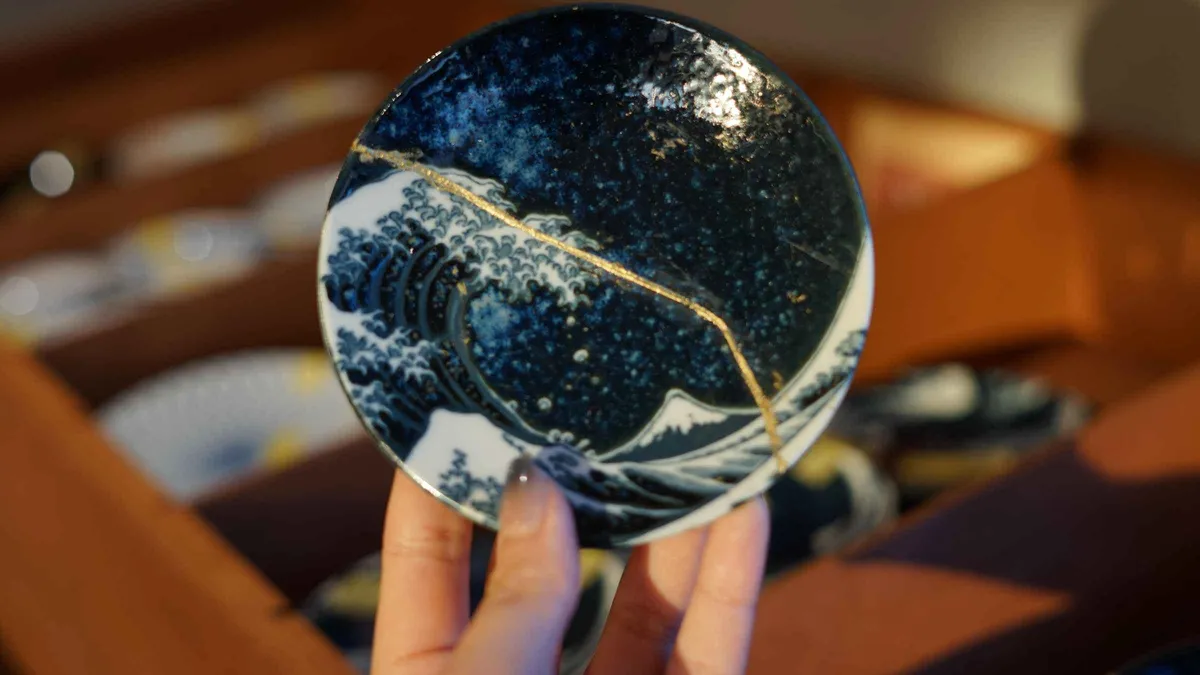
Kintsugi in an hour: repair a ceramic plate with gold-dusted lacquer and take it home. Materials, tools and the plate are included.
- Learn the art of Kintsugi and repair ceramics with gold powder
- Take home a handmade souvenir as a reminder of your time in Kyoto
- Enjoy a beginner-friendly and family-friendly workshop
- Immerse yourself in a traditional Japanese art culture
 from $153.04
Kansai Intl. Airport KIX Private Transfer to/from Kyoto
Listing details checked 2026-08-30
A private car from Kansai Airport to a Kyoto address for one to nine people, with 90 minutes of free waiting on arrival. The alternative is the Haruka train and a taxi at the far end.
- 24/7 customer services
- Experience and friendly local English drivers
- Air-conditioned vehicles, comfortable ride
- Fixed rates, no additional charge for toll
 from $94.95
Kyoto: Fushimi Inari, Kinkakuji, Bamboo Grove 1-Day Bus Tour
Listing details checked 2026-08-30
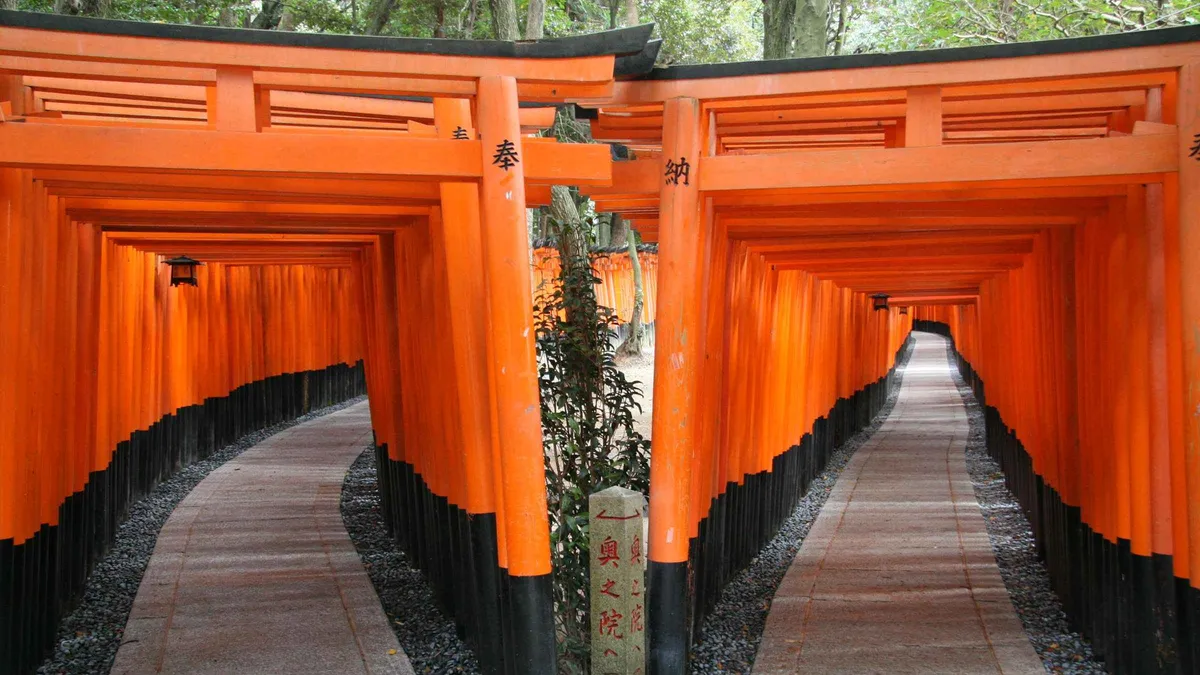
The all-in coach day: Kiyomizu-dera, Sanjusangen-do, Tenryu-ji, the bamboo grove, Kinkaku-ji and Fushimi Inari with entry tickets and a Japanese buffet in one 8.5-hour run. The most reviewed Kyoto tour on the platform.
- Visit Fushimi Inari Taisha and walk through its iconic thousand torii gates
- Stroll through Arashiyama’s famous bamboo forest and enjoy its peaceful scenery
- Discover Kiyomizu-dera and the Golden Pavilion, in one unforgettable journey
- Benefit from a professional English-speaking local guide
What you can actually see
The tower is 131 metres and the deck is at 100. In a city with no other high buildings, that is enough.
Kyoto's building-height limits — among the strictest in Japan, tightened again in 2007 to protect the skyline and the views from the hills — mean nothing else in the basin competes. From the deck the city reads as what it is: a grid laid down in 794 on a Chinese model, boxed by mountains on three sides, with the temples sitting exactly where the flat land runs out and the slope begins.
What to pick out: To-ji's five-storey pagoda to the south-west, the wooded ridge of Higashiyama to the east with Kiyomizu-dera on it, the long green rectangle of the Imperial Palace park to the north, and on a clear day the hills above Arashiyama at the western edge. Binoculars are provided free on the deck.
At night the geography inverts: the grid becomes a lit lattice and the hills go black, which makes the shape of the basin far more obvious than it is by day.
The tower itself, and why it was hated
Built for the 1964 Tokyo Olympics year and designed to evoke a Japanese candle rather than a communications mast, it stands on a steel-plate structure with no internal frame — unusual then, and engineered for a city that expects earthquakes. It was fiercely opposed by preservationists who argued that a tower had no place in the old capital, an argument that produced the height rules that now protect its monopoly on the view. There is a public bath in the basement, which is the most Kyoto detail about it.
Is it worth it?
The honest answer depends entirely on when you go and what else you have seen.
Go if you are arriving or leaving from the station with an hour to spare, if it is your first evening and you want to understand the city's shape before walking into it, or if it is raining and you want something indoors that is not a museum. At $5.63 (¥900) it costs less than Ginkaku-ji.
Skip it if you have already climbed to a hillside viewpoint. Kiyomizu-dera's stage, the Yotsutsuji junction on Fushimi Inari and the hill path behind Ginkaku-ji all give you the same basin from inside the landscape rather than above it, and all three are free or nearly so.
The strongest case for the tower is the hour after sunset, when nothing else in Kyoto is open and the city is lit.
Kyoto Tower map: the station and what is around it
The tower, the station opposite it, and the two things within walking distance worth an hour.
Next stop from Kyoto Tower
Walking times are our estimates.
To-ji
Japan's tallest wooden pagoda and the best room of Heian sculpture in the country, at $5 (¥800).
15 minutes on footSanjusangen-do
1,001 gilded Kannon in a 120-metre hall — the other great thing within reach of the station.
10 minutes by busWhere to stay in Kyoto
Why the area around the tower is the cheapest and most connected place to sleep in the city.
The station districtKyoto Tower questions
How much is Kyoto Tower?
$5.63 (¥900) for adults until 30 September 2026 and $6.25 (¥1,000) from 1 October 2026, with $4.38 (¥700) for high school, $3.75 (¥600) for elementary and junior high and $1.25 (¥200) for children aged 3 and over — each rising on the same date. A disability certificate brings it to $2.81 (¥450) for the holder and one companion.
What time does Kyoto Tower close?
21:00, with last admission at 20:30, every day of the year. On 16 August the hours are shortened to 10:00–18:30 with last entry at 18:00. The tower states it has no closed days.
Is Kyoto Tower worth visiting?
For an hour before a train, on a first evening or in rain, yes — it is the only high viewpoint in a city whose height rules keep everything else low, and it costs less than most temples. If you have already stood on Kiyomizu-dera's stage or climbed Fushimi Inari, the case is weaker.
What can you see from Kyoto Tower?
The whole basin: the 794 street grid, the mountains on three sides, To-ji's pagoda to the south-west, the Higashiyama ridge to the east and the Imperial Palace park to the north. Binoculars are provided free on the deck.
Do you need to book Kyoto Tower?
No. Tickets are sold at the counter on the first floor, and online if you prefer. Nothing sells out — the deck is large and the queue, when there is one, moves in minutes.
Where is Kyoto Tower?
Directly opposite Kyoto Station's north exit, about two minutes on foot from the central concourse. To-ji is fifteen minutes' walk away and Sanjusangen-do ten minutes by bus, which makes this corner of the city a good use of a spare morning or evening.
Where the tower fits in a Kyoto day
The first hour or the last, and after dark rather than at noon.
The tower's value is orientation, and orientation is worth most on arrival. An hour here on the first evening — after dark, with the grid lit — makes the next three days legible in a way a map does not. It is also the obvious thing to do with the gap between checking out and a late train, since it is two minutes from the platforms.
What it is not is a daytime sight to build an itinerary around. The one-day route leaves it out entirely, and rightly.
Page last reviewed 2026-08-30. Prices, hours and terms are set by the venue or operator and confirmed at checkout.
We may earn a commission if you book through one of our links, at no extra cost to you. Full affiliate disclosure